




Recognise the Signs of Overwatering
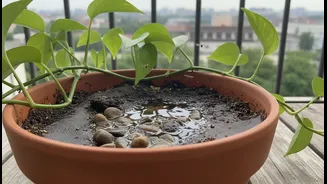
Before you can fix the problem, you need to spot it. The signs of overwatering are often mistaken for underwatering. Look for yellowing leaves, wilting despite the soil being wet, and soft, mushy stems. If you notice these symptoms, especially during
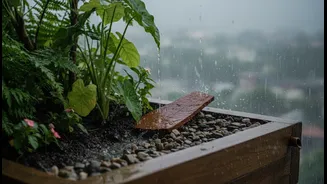
a rainy spell, it is a clear sign that your plants are suffering from excess moisture and poor drainage. This condition, commonly known as root rot, occurs when roots are deprived of oxygen in saturated soil, making them vulnerable to fungal diseases that can quickly kill a plant.
Choose the Right Pot
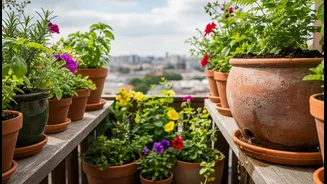
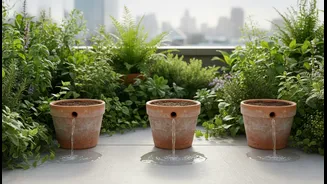
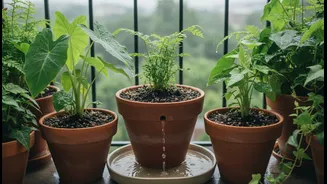
Good drainage starts with the pot itself. The most critical feature is at least one drainage hole at the bottom. Without it, water has no way to escape. When it comes to materials, terracotta pots are porous and allow for better air and water flow, helping soil dry out faster. Plastic pots, on the other hand, retain moisture for longer. Regardless of the material, ensuring the drainage holes remain clear is essential for preventing water from pooling and suffocating the roots.
Debunking the Gravel Myth
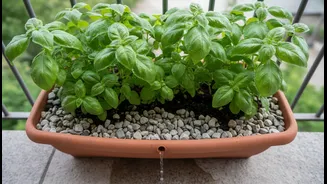
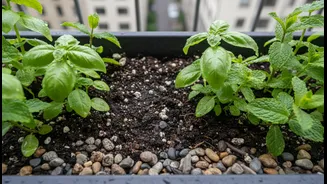
For decades, gardeners were advised to add a layer of gravel or broken pot shards to the bottom of containers to improve drainage. However, modern horticulture science has shown this to be a myth. Adding a coarse layer of gravel beneath fine potting soil does not help water drain faster. In fact, it does the opposite by creating a perched water table, where water saturates the soil layer just above the gravel before it will move through the coarser material. This effectively raises the waterlogged zone, bringing it closer to your plant's delicate roots and increasing the risk of rot.
Build a Better Potting Mix
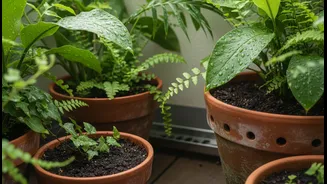
The soil you use is a crucial component of your drainage system. Heavy garden soil or clay-rich mixes tend to compact in pots and hold too much water, especially during the monsoon. A better choice is a high-quality, well-draining potting mix. These mixes are specifically designed for containers and usually contain components like coco peat, compost, and coarse materials such as perlite or coarse sand. These amendments create air pockets in the soil, allowing excess water to drain away freely while still retaining enough moisture for the plant's needs.
Elevate Your Pots for Success
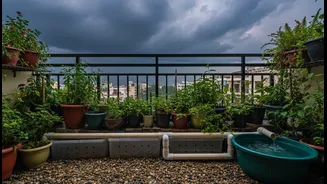
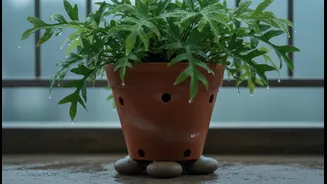
One of the simplest yet most effective ways to improve drainage is to lift your pots off the ground. When a container sits directly on a flat balcony floor, the drainage hole can easily become blocked, and water can pool underneath, keeping the base of the pot constantly wet. Using pot feet, bricks, or even simple wooden blocks to create a small gap of just a few centimetres makes a huge difference. This elevation allows for better airflow and ensures that excess water can escape freely after a heavy downpour, preventing stains on your balcony floor and saving your plant's roots.
Manage Saucers and Trays
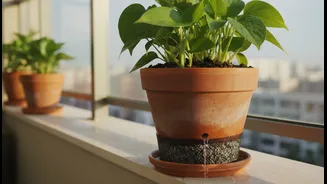
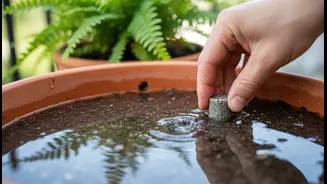
Saucers are great for catching runoff and protecting your floors, but they can become a death trap for plants if not managed correctly. During wet weather, it's vital to empty any water that collects in saucers and trays promptly. Allowing a pot to stand in a saucer full of water is equivalent to planting it in a pot with no drainage holes at all. The roots will sit in stagnant water, leading directly to the dreaded root rot. Make it a habit to check your saucers after every rain shower and tip out the excess.