
The Allure of a Green Safari
Traditionally, wildlife tourism in India hits its peak during the dry winter and summer months. However, the perception of monsoon as an “off-season” is beginning to change. For a discerning enthusiast, the period from July to September offers an experience
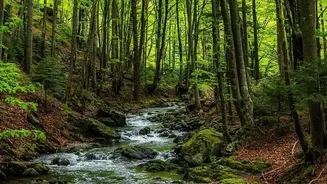
that is quieter, greener, and deeply atmospheric. The arrival of the rains breathes new life into the forests, turning dusty tracks into lush carpets and filling the air with the scent of wet earth. This transformation creates a dramatic, vibrant backdrop for wildlife viewing that is unlike any other time of year. The smaller crowds mean a more peaceful and personal encounter with nature, allowing for unhurried moments to absorb the sights and sounds of the jungle. It’s a chance to see the ecosystem at its most rejuvenated and alive.
Where to Go This Monsoon
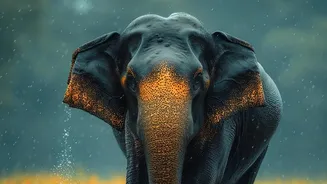
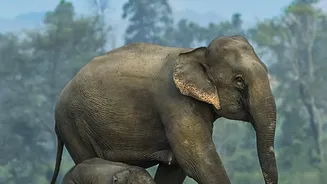
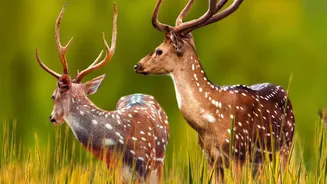
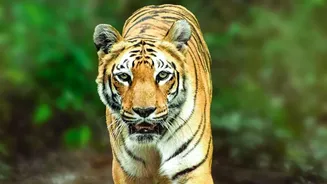
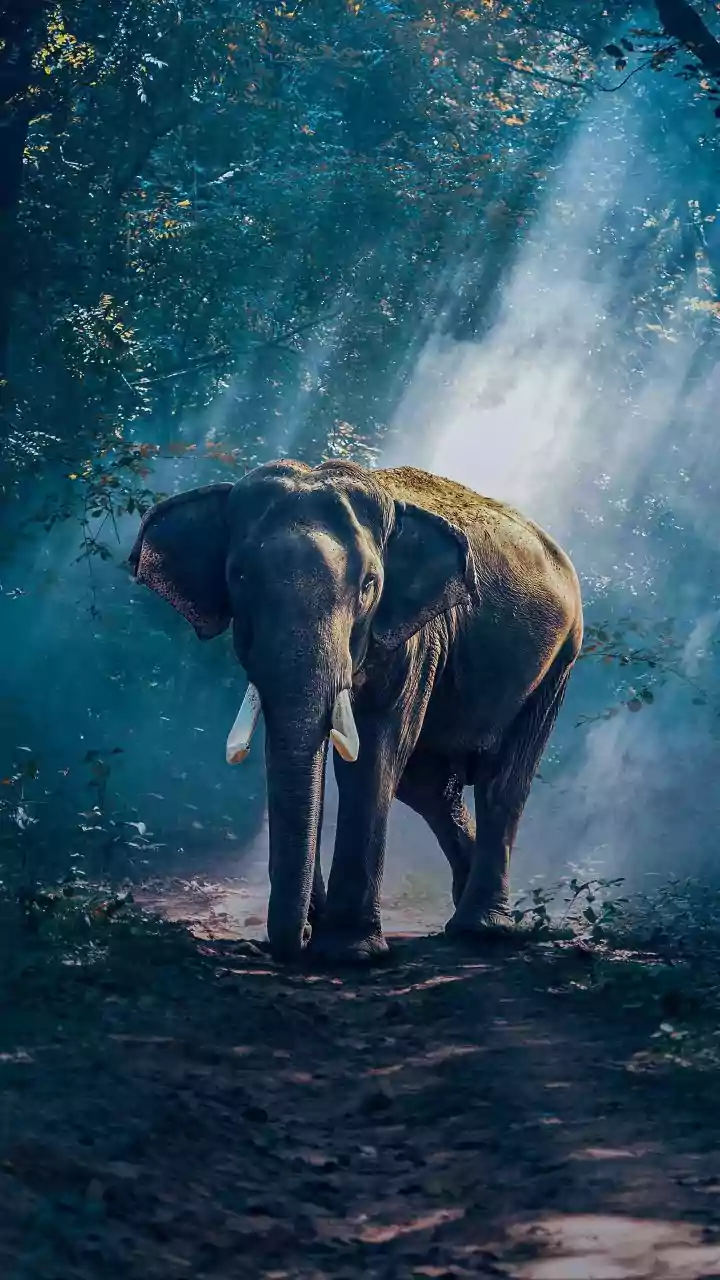
While it's true that the core zones of many famous national parks in central India close down, several exceptional reserves and buffer zones remain accessible, offering incredible experiences. In South India, Periyar National Park in Kerala is a prime monsoon destination. Its signature boat safari on Periyar Lake continues year-round, providing fantastic opportunities to see herds of elephants, gaur, and sambar along the rain-refreshed shoreline. Similarly, Nagarhole National Park (also known as Kabini) in Karnataka stays open, with its backwaters attracting enormous elephant gatherings. In Maharashtra, the buffer zones of Tadoba Andhari Tiger Reserve offer a good chance of spotting tigers, who often use the firmer forest roads to stay clear of the waterlogged undergrowth. Other notable options include parts of Ranthambore in Rajasthan and Satpura National Park in Madhya Pradesh, which also keep specific zones open for the adventurous traveller.
A Different Wildlife Checklist
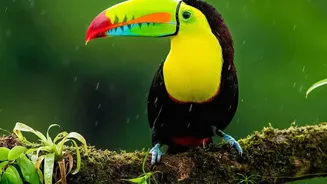
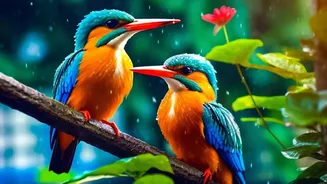
A monsoon safari isn't just about the tigers and elephants, although sightings can still be rewarding. The rains bring out a different cast of characters. This is the best time for herpetology enthusiasts, with a visible increase in amphibians and reptiles. The forest floor and foliage teem with colourful frogs, snakes, and countless fascinating insects. For birdwatchers, it’s a paradise. Resident birds are particularly active, and the lush canopy provides shelter for species like the Malabar whistling thrush, paradise flycatcher, and various hornbills. In places like the Agumbe Rainforest in Karnataka, known as the 'Cherrapunji of the South', the focus shifts to king cobras and a rich diversity of smaller life forms that thrive in the wet conditions. The experience is about appreciating the entire, vibrant ecosystem, from the largest mammal to the smallest glowing fungus.
Tips for the Rainy Season Explorer
A monsoon adventure requires some practical preparation. Waterproofing is non-negotiable; invest in a good quality rain jacket, waterproof trousers, and dry bags for your electronics and valuables. Sturdy, quick-drying footwear with excellent grip is essential for navigating slippery trails. In many areas, leech socks are a wise and necessary accessory. Given the reduced number of tourists, you might find attractive deals on accommodation at luxury jungle lodges and resorts, many of which remain open and offer special monsoon packages. However, it's still crucial to book your safaris and stays in advance, as only limited zones are open. Finally, be flexible. Heavy downpours can sometimes lead to temporary road closures or safari cancellations, so it’s important to travel with a patient and adventurous spirit. Embrace the rain, and you'll be rewarded with a truly memorable journey into the heart of a rejuvenated wilderness.