



As temperatures drop, our bodies crave warmth and comfort. Indian culinary wisdom, backed by modern nutrition, offers a wealth of traditional foods perfect for the cold season. Here are seven expert-approved staples to keep you warm and well.
Embrace the Warmth of Ghee
Clarified
butter, or ghee, has been a cornerstone of Indian kitchens for centuries, especially in winter. Ayurveda considers it a warming food, and nutritionists agree. Ghee is rich in healthy fats, including omega-3s, and fat-soluble vitamins like A, D, E, and K. These nutrients are vital for boosting immunity and maintaining skin health, which can suffer in the dry winter air. The healthy fats provide a source of sustained energy that helps keep the body warm from within. A spoonful drizzled over dal, rotis, or khichdi not only enhances flavour but also aids digestion by lubricating the digestive tract.
Power Up with Pearl Millet (Bajra)
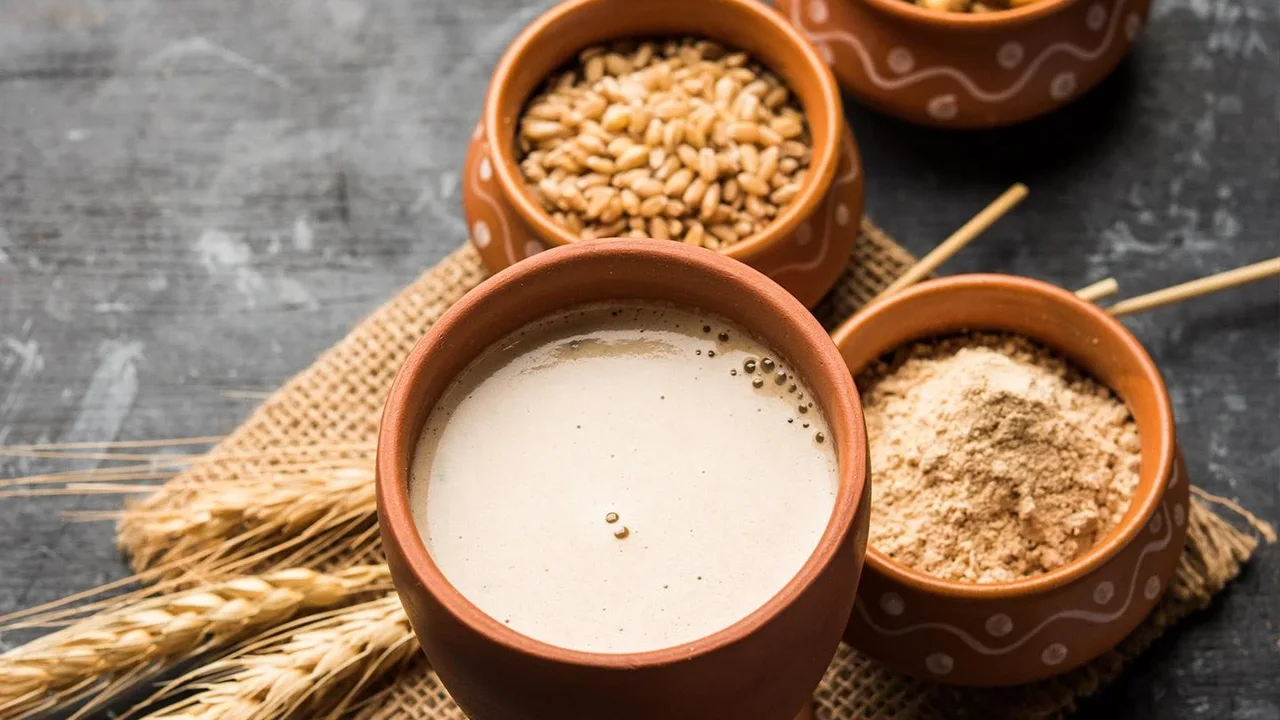
Bajra, or pearl millet, is a rustic and nutrient-dense grain that becomes a staple in many parts of India during winter. It is a complex carbohydrate that provides a steady release of energy, helping to combat winter lethargy. Nutrition experts highlight bajra for its rich mineral content, including iron, magnesium, and phosphorus, which are crucial for supporting the immune system and bone health. Being naturally gluten-free and high in dietary fibre, it aids digestion and prevents constipation, which can be more common in colder months. A warm Bajra ki Roti with a dollop of ghee is a classic winter combination for a reason.
Savour the Season with Sarson ka Saag
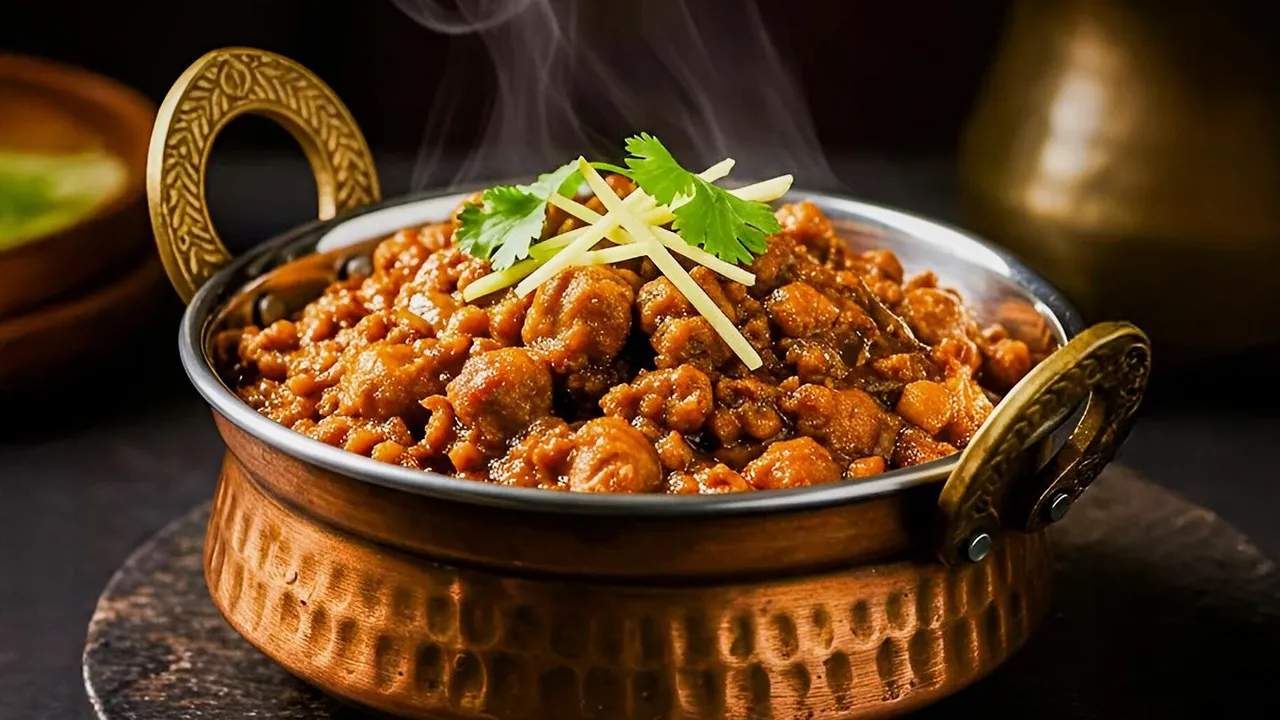
No winter in North India feels complete without Sarson ka Saag, a vibrant dish made from mustard greens. This seasonal delicacy is a nutritional powerhouse. Mustard greens thrive in the cold and are packed with iron, calcium, and antioxidants. They are an excellent source of vitamins A, C, and K, which are essential for a strong immune system to fend off winter colds and flu. The high fibre content supports gut health, while the traditional preparation with ginger, garlic, and ghee enhances its anti-inflammatory properties. Paired with Makki ki Roti, it becomes a balanced and deeply satisfying meal.
Enjoy Nutrient-Dense Ladoos (Gond and Panjiri)
Winter is the season for energy-dense sweets like Gond ke Ladoo and Panjiri. Gond, or edible gum, is known in Ayurveda for its warming properties. When roasted in ghee and combined with whole wheat flour, nuts, and seeds, it creates a powerful snack that provides sustained energy. These ladoos are rich in calcium and magnesium, which help strengthen bones and ease joint stiffness that can be aggravated by the cold. Similarly, Panjiri, a mix of roasted flour, ghee, nuts, and spices, is a traditional remedy for postpartum recovery and a general winter tonic to boost immunity and fight fatigue.
Incorporate Sesame Seeds (Til)
Tiny but mighty, sesame seeds (til) are integral to winter traditions like Makar Sankranti for good reason. Ayurveda classifies them as warming, and science confirms their impressive nutritional profile. They are an exceptional source of calcium, magnesium, and zinc, supporting bone density during months with less sun exposure. The healthy fats and vitamin E in sesame seeds protect skin and hair from winter dryness. They also contain antioxidants and anti-inflammatory compounds that bolster the immune system. Whether in ladoos, chikkis, or as a garnish, til is a simple way to boost winter wellness.
Utilise the Power of Ginger and Jaggery
The combination of ginger (adrak) and jaggery (gur) is a classic home remedy for winter ailments. Ginger is a thermogenic spice, meaning it naturally generates heat in the body. Its anti-inflammatory and antibacterial properties make it effective against coughs, colds, and sore throats. Jaggery, an unrefined sugar, is more than just a sweetener. It is packed with iron and minerals, provides a steady release of energy, and is known to help cleanse the respiratory tract. A warm drink made with ginger and jaggery is a comforting and effective way to soothe an irritated throat and stay warm.
Don't Forget Root Vegetables
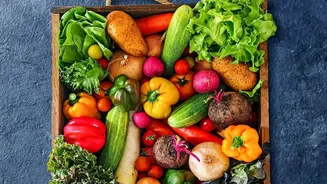
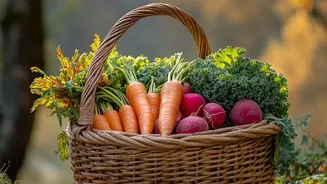
Winter is the peak season for a variety of nutritious root vegetables like carrots , sweet potatoes (shakarkandi) , and turnips . These vegetables are dense in nutrients and provide the hearty fuel your body needs in colder weather . Carrots are famously rich in Vitamin A , essential for vision and immunity , and form the base of the beloved Gajar ka Halwa . Sweet potatoes are an excellent source of fibre , vitamins , and complex carbohydrates . Roasted and served as a chaat , shakarkandi is a popular , healthy street food snack in Indian winters . These vegetables are warming , grounding , and an easy way to add essential nutrients to your winter diet .