



Beyond the Calendar
Booking a grooming appointment every six weeks has become standard practice for many pet owners. While routine is convenient, it often overlooks a crucial factor: your pet's individual needs. A fixed schedule can lead to over-bathing, which strips natural
oils from the skin, or under-grooming, where problems like matting or long nails cause discomfort and health issues. A need-based approach encourages you to become a more observant owner. Instead of relying on the calendar, you learn to spot the specific cues your pet gives when they need a bath, brush, or trim. This tailored care not only prevents problems but also strengthens the bond between you and your animal.
Decoding Your Pet's Coat
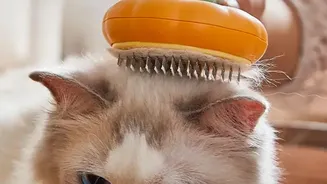
The most obvious grooming need is coat care, but it's not one-size-fits-all. A dog or cat’s breed, coat type, and lifestyle are the best indicators of when a brush or bath is required. Long-haired breeds, like Persian cats or Golden Retrievers, often need daily brushing to prevent tangles and mats, which can pull painfully on the skin and trap debris. Short-haired pets, such as Beagles or domestic shorthair cats, might only need a weekly brushing to remove loose hair and distribute skin oils. Look for a dull appearance, feel for an oily or dirty texture, or notice an unpleasant odor—these are all signs that it’s time for a bath. Excessive shedding can also be a cue that more frequent brushing is needed.
The Telltale Click of Long Nails
One of the easiest grooming cues to spot—or rather, hear—is the sound of your pet's nails clicking on a hard floor. This is a clear sign that a nail trim is overdue. Ideally, a pet's nails shouldn't touch the ground when they are standing still. When nails get too long, they can force the animal to alter its posture, putting strain on its joints and causing discomfort or even pain. Overgrown nails are also more likely to split, break, or curl into the paw pad, which can lead to infection. Check your pet's nails every couple of weeks. If they are an active outdoor dog that runs on pavement, their nails may wear down naturally, but indoor pets and those who mostly play on grass will need regular trims.
Checking Ears and Eyes
Healthy pet ears are typically self-cleaning and don't require frequent intervention. However, it's wise to perform weekly checks. Look inside the ear for redness, swelling, or excessive dark-colored debris. A foul or yeasty odor is another red flag that something is wrong. Pets with floppy ears, like Cocker Spaniels, or those who swim often may be more prone to trapping moisture and developing infections. If you notice your pet shaking its head, scratching at its ears, or showing signs of pain, it's time to see a veterinarian, not just attempt a cleaning at home. As for eyes, a small amount of crust in the corners is usually normal, but excessive discharge, redness, or cloudiness warrants a professional opinion.
Don't Forget Dental Health
Oral hygiene is a frequently overlooked aspect of grooming. While daily brushing is the gold standard for preventing dental disease, it's not always practical for every owner. Instead, pay attention to signs that indicate a need for dental care. Persistent bad breath is often the first clue. Other indicators include visible tartar buildup, red or swollen gums, or changes in eating habits, such as chewing on one side of the mouth or dropping food. These signs suggest discomfort and should prompt a visit to the vet for a professional cleaning and check-up. Regular attention to your pet's mouth can prevent serious health issues down the line.