





The Power of a Proper Soak
Soaking beans and pulses overnight is a step many of us know, but often rush or skip. Beyond simply shortening the cooking time, a good soak does so much more. It helps break down complex sugars and compounds like phytic acid that can cause digestive
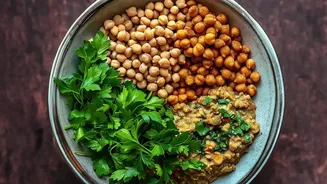
issues like gas and bloating. This process, known as reducing anti-nutrients, makes the pulses easier to digest and allows your body to better absorb minerals like iron and zinc. For the best results, cover your beans or chickpeas in plenty of cool water and let them sit for at least 8-10 hours. Discarding the soaking water before cooking is crucial, as it carries away many of the substances that cause discomfort.
Sprouting for Crunch and Nutrition
Sprouting takes soaking a step further, transforming a dormant legume into a live plant. This germination process dramatically increases the bioavailability of nutrients, boosting levels of vitamins B and C. It also makes the pulses even easier to digest. Sprouted mung beans, chickpeas, and lentils add a wonderful, crunchy texture to salads and light stir-fries. To sprout at home, simply soak the pulses overnight, then drain them and rinse them twice a day until tiny shoots appear. It’s a simple way to introduce a fresh, nutritious element to your meals.
Toast Your Pulses for Deeper Flavour
One of the most overlooked techniques for building flavour is toasting your dry lentils or beans before cooking. Gently toasting them in a dry pan over medium heat until they release a nutty aroma and change colour slightly adds a remarkable depth. This roasting process creates a savoury, more complex background note in the final dish, especially effective for dals. Once toasted, you can proceed with rinsing and cooking as you normally would. This simple, two-minute step can make a familiar dal taste richer and more satisfying.
Mastering the Art of Tadka
The tadka, or tempering, is where the magic truly happens in Indian cooking. It involves blooming spices in hot ghee or oil to extract their essential oils and deepest flavours. But a truly exceptional dish often benefits from two types of tadka. The first is at the beginning, forming the flavour base of your curry as you sauté onions, ginger, and garlic. The second is a finishing tadka, poured over the dish just before serving. This final flourish—often consisting of cumin seeds, dried red chillies, and perhaps a pinch of asafoetida (hing)—adds a fresh burst of aroma and a smoky complexity that elevates the entire dish.
Slow Simmering for Creaminess
While pressure cookers are a fantastic time-saver, slow simmering on the stovetop can yield a far superior texture and taste, especially for dishes like dal makhani or rajma. Cooking pulses slowly over low heat allows them to break down gently, creating a velvety, creamy consistency without becoming mushy. This extended cooking time also gives the beans more opportunity to absorb the flavours of the masala. To enhance this effect, try mashing a few of the cooked beans against the side of the pot to naturally thicken the gravy, resulting in a richer, more cohesive dish.