




A Forest's Unseen Workforce
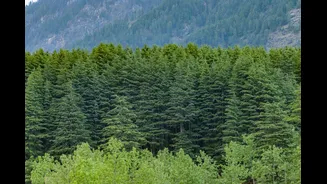
Forests are the lungs of our planet, but their ability to recover from damage and expand into new areas isn't just a matter of trees dropping seeds. A complex web of life is responsible for this regeneration, with animals playing the starring role as seed-dispersal
agents. More than half of all plant species rely on animals to move their seeds. This process is essential for plants to colonize new ground, escape competition and disease, and adapt to a changing climate. A growing body of research is revealing just how critical these animal-plant partnerships are, and a recent comprehensive review involving 186 plant taxa has highlighted that this web of interaction is more intricate and surprising than previously understood.
Beyond the Usual Suspects
Traditionally, when we think of seed dispersal, our minds go to birds, bats, and monkeys. These animals are well-documented frugivores (fruit-eaters) that consume fruits and later deposit the seeds, often miles away, in their droppings. Their contribution is undeniable and forms the bedrock of many tropical forest ecosystems. Studies have shown that the decline of these primary dispersers, often due to habitat loss or hunting, has a devastating impact. In some regions, the loss of key bird and mammal species has slashed a plant's ability to track climate change by over 60 percent, because their seeds can no longer travel far enough to find suitable new habitats.
The Unexpected Gardeners
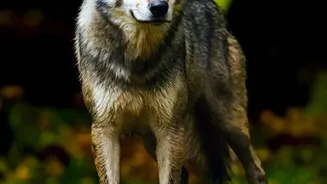
The most fascinating insight from recent large-scale studies is the significant role of animals not typically associated with planting trees. The list of these surprising seed sowers is long and varied. In the Amazon and Brazil's Pantanal, fish like the pacu and tambaqui consume fruits that fall into the water during flood seasons, carrying seeds far along river systems. This aquatic dispersal is vital for the health of riparian forests. Similarly, research highlights the overlooked importance of carnivorous mammals. While their diet is primarily meat, many species of civets, bears, and even members of the weasel family consume fruit seasonally. With large territories and long gut-passage times, they can transport seeds over vast distances, a service that smaller, more localized animals cannot provide. Even invertebrates, a group almost entirely overlooked in dispersal studies, have been found to move viable seeds.
Why Size and Travel Matter
Large animals, in particular, are proving to be invaluable. Many tropical trees produce large seeds that small birds and bats simply cannot swallow. Mega-herbivores like elephants, tapirs, and sun bears are among the few animals capable of consuming these large fruits and dispersing their seeds intact. A study in Sumatra found a substantial population of sun bears in a degraded forest, highlighting their importance in the recovery process. The loss of these large-bodied animals, or 'megafauna', can lead to the local extinction of certain tree species, creating a cascade effect that simplifies and weakens the entire forest structure. Their wide-ranging movements are essential for maintaining genetic diversity across the landscape, making the forest more resilient to disease and environmental stress.
Rethinking Conservation and Reforestation
These findings are prompting a major rethink of conservation strategies. Reforestation is not just about planting saplings; it is about restoring ecological functions. For a forest to become self-sustaining, it needs its animal partners. This means that conservation efforts must focus on protecting a wide array of species, including the often-forgotten terrestrial mammals, fish, and carnivores that contribute to seed dispersal. It also underscores the importance of maintaining large, connected tracts of forest. Animals will not disperse seeds into isolated patches if they cannot safely travel between them. Reducing hunting pressure is equally critical, as many of these key dispersers are prime targets.