





The Origin of the Claim
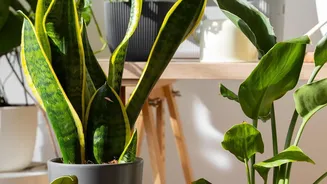
The belief that houseplants can clean indoor air is largely rooted in a 1989 NASA study. Researchers were looking for ways to purify the air in sealed environments like space stations. They placed common houseplants in small, sealed chambers and injected
volatile organic compounds (VOCs) like benzene and formaldehyde. The results were promising: over 24 hours, some plants removed a significant percentage of these chemicals from the chamber. This study, known as the NASA Clean Air Study, became the foundation for the air-purifying plant trend we know today.
From the Lab to the Living Room
The key issue with applying the NASA study to your home is the difference in environment. The study used small, hermetically sealed chambers. Your home, on the other hand, is a much larger, more complex space with constant air exchange from doors, windows, and ventilation systems. Newer analyses have pointed out that this natural ventilation does a far better job of removing VOCs than a few plants can. In a real-world setting, the slow rate at which plants absorb these compounds can't keep up with the constant introduction of new air and new pollutants.
How Many Plants Would It Take?
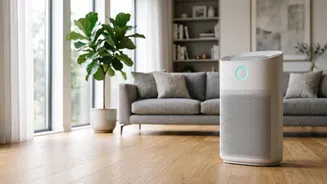
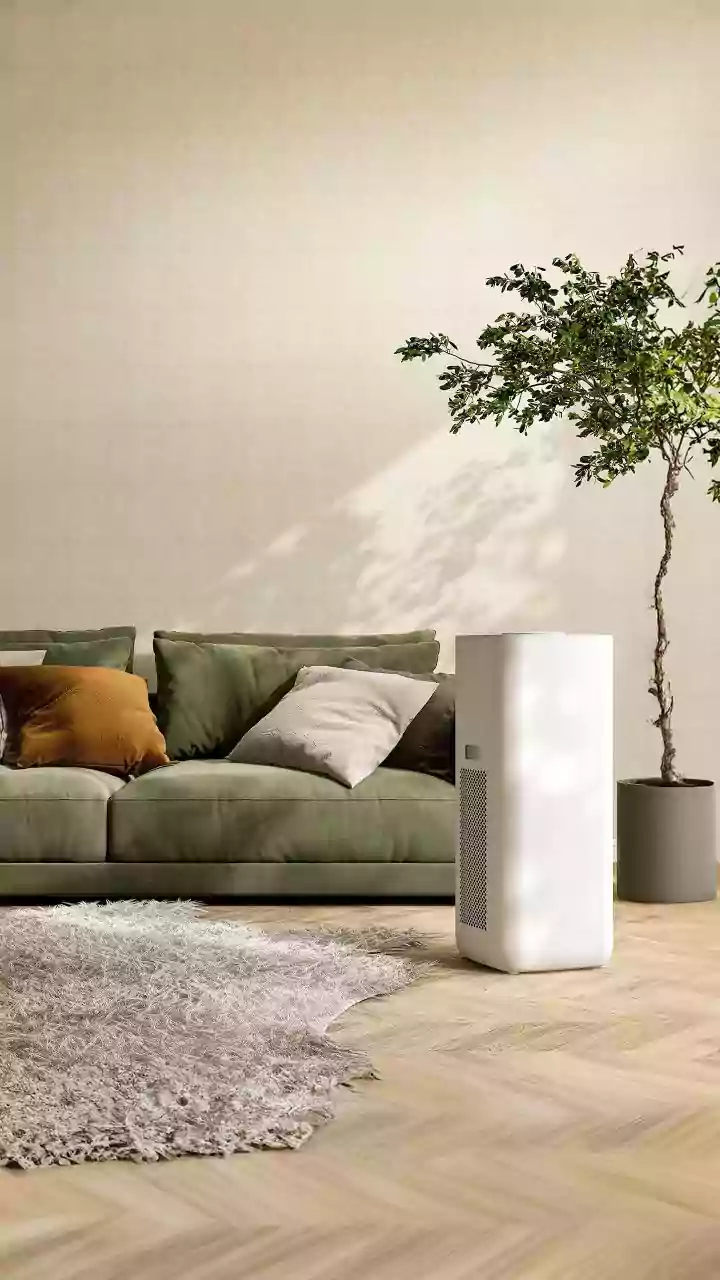
While plants do absorb pollutants, the scale required for a noticeable impact is staggering. A 2019 review of decades of research concluded that the effect in a typical building is minimal. To actually match the air-cleaning power of a building's standard ventilation system or a single air purifier, you would need an enormous number of plants. Estimates suggest you would need anywhere from 10 to 1,000 plants per square metre of floor space. For an average 1,500-square-foot home, that could mean having over 680 plants to make a meaningful difference in air quality.
Understanding Indoor Pollutants
The pollutants in question are Volatile Organic Compounds (VOCs), which are gases emitted from many common household items. Sources include paints, varnishes, cleaning supplies, furniture, carpets, and even air fresheners. Common VOCs found indoors include formaldehyde, benzene, and toluene, which can cause everything from eye irritation and headaches to more serious long-term health effects. While controlling these sources and ensuring good ventilation are the most effective strategies, the idea that plants could help was an appealing one.
The Real, Proven Benefits of Plants
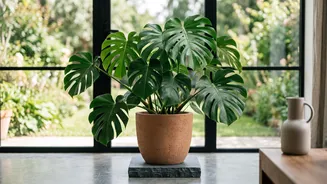
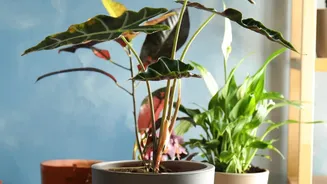
So, should you throw out your fiddle-leaf fig? Absolutely not. While they may not be the air-purifying powerhouses we once thought, the proven benefits of houseplants are numerous and significant. Studies have consistently shown that being around plants can reduce stress, improve your mood, and boost concentration and productivity. The simple act of caring for a plant can provide a sense of accomplishment and connect us with nature, which is especially important in urban environments. They add beauty to our spaces, can slightly increase humidity, and contribute to a general sense of well-being that is very real, even if their impact on VOCs is negligible.