




The Rise of the 'Hot Girl Walk'
At the heart of this trend is the 'Hot Girl Walk,' a term popularised on TikTok. It’s a concept that reframes walking from a mundane chore into an act of self-care and empowerment. The rules are simple: go for a walk, typically outdoors, and focus on three
things: what you're grateful for, your personal goals, and how attractive you feel. It’s a potent combination of physical activity, mindfulness, and confidence-building. This isn't about burning calories or achieving a certain physique; it's about claiming time for yourself, clearing your head, and boosting your mood. Participants often listen to curated playlists or inspiring podcasts, turning a simple walk into a holistic wellness ritual. The viral nature of the term has given a name and a structure to an activity many were already doing, creating a shared identity around it.
From a Stroll to a Challenge
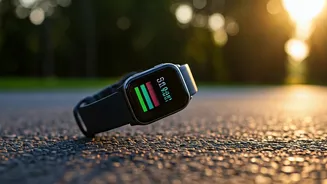
This simple act of walking has been amplified by the structure of social media challenges. While the classic '10,000 steps a day' goal has been around for decades, Gen Z has adapted it for the digital age. They share their progress on apps like Strava and post daily updates on TikTok and Instagram, creating a sense of public accountability and community. More extreme versions have also gained traction. The '75 Hard' challenge, for instance, includes a daily 45-minute outdoor workout, which for many becomes a walk or a hike. Its popularity has spawned gentler alternatives like '75 Soft,' which still encourages daily movement but with more flexibility. This gamification turns consistency into a compelling narrative, where each day’s walk is a small victory contributing to a larger goal, all documented for a supportive online audience.
An Antidote to Burnout
So, why now? Experts and participants alike point to this trend as a direct response to modern pressures. For a generation that grew up online and is facing high rates of burnout, anxiety, and screen fatigue, walking offers a powerful antidote. It’s a low-barrier activity: it requires no expensive membership, fancy equipment, or specialised knowledge. It forces you to disconnect from your desk, get fresh air, and engage with the physical world. In a culture saturated with complex, high-intensity fitness fads, the simplicity of walking is revolutionary. It represents a shift towards 'soft wellness' — a more intuitive, gentle, and sustainable approach to health that prioritises mental clarity and consistency over punishing workouts and unrealistic expectations.
Finding the Right Pace
While the movement is overwhelmingly positive, there are potential downsides. The same platforms that foster community can also breed comparison and pressure. The constant tracking and public sharing of step counts can, for some, morph a healthy habit into an obsession. Missing a day can lead to feelings of guilt or failure, undermining the trend's mental health benefits. Health professionals advise focusing on the qualitative aspects of the walk—how it makes you feel—rather than getting fixated on quantitative data like steps or distance. The key is to ensure the activity remains a source of joy and relief, not another metric to be optimised. The goal is to use the challenge as a motivator, not a mandate, and to listen to your body's needs.