
Why Cold and Clammy Is Not Comfortable
The main culprit behind that uncomfortable, sticky feeling is high humidity. Humidity is the amount of water vapour in the air. Our bodies naturally cool down by sweating; as the sweat evaporates, it cools our skin. However, when the air is already saturated
with moisture, sweat can't evaporate effectively. This leaves you feeling hot, sticky, and damp, even if the room's temperature is low. The ideal indoor humidity level for comfort and health is generally between 30% and 50%. Anything above 60% can feel oppressive and also creates a breeding ground for allergens like mould and dust mites. So, simply making the air colder without addressing the moisture won't solve the problem.
Unlock Your AC’s Secret Weapon: Dry Mode
Most modern air conditioners have a 'Dry Mode', often represented by a water drop symbol. This setting is your best friend during humid seasons. Unlike 'Cool Mode', which runs the compressor continuously to lower the temperature, 'Dry Mode' focuses on removing excess moisture from the air. It runs the fan at a low speed and cycles the compressor on and off, which allows more moisture to condense on the unit's cold coils and be drained away. The result is less humid air that feels significantly more comfortable, often without a drastic drop in temperature. This mode is particularly effective on days that are humid but not intensely hot, and it uses less energy than the standard cool setting.
The Importance of Smart Ventilation
Proper air circulation is crucial for managing humidity. On days when the outside air is drier, opening windows for even just 15-20 minutes can help flush out moist, stagnant indoor air. Using exhaust fans in your kitchen while cooking and in the bathroom during and after showers is another critical step. These fans are designed to pull moisture-laden air directly outside before it can circulate through your home. Keeping interior doors open can also promote better airflow between rooms, preventing humidity from getting trapped in one area. Ceiling fans don't lower humidity on their own, but they help circulate air, which aids in evaporation and makes you feel cooler.
Consider a Dedicated Dehumidifier
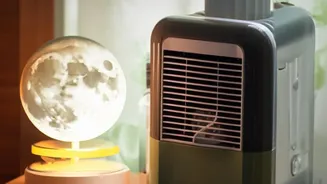
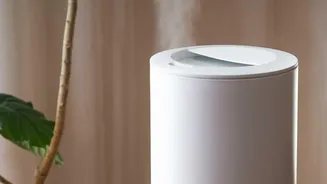
For homes in extremely humid climates or rooms that are perpetually damp (like basements or bathrooms with poor ventilation), a dedicated dehumidifier can be a game-changer. These appliances are specifically designed to pull moisture from the air, often much more effectively than an AC's dry mode. By maintaining an optimal humidity level, a dehumidifier not only boosts comfort but also offers significant health benefits. It helps prevent the growth of mould and mildew, reduces dust mites, and can alleviate allergy and asthma symptoms. Furthermore, by reducing the moisture load, a dehumidifier can help your air conditioner run more efficiently, potentially lowering your energy bills.
Small Household Habits, Big Difference
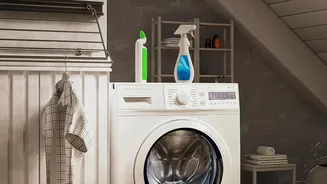
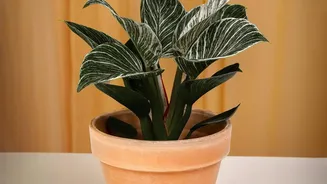
Everyday activities contribute a surprising amount of moisture to your indoor environment. Making small adjustments can have a noticeable impact. For instance, take shorter, cooler showers to reduce the amount of steam produced. When cooking, try to cover your pots and pans to trap steam. If you have indoor plants, be mindful that they release moisture; grouping too many together can raise a room's humidity. Finally, if you dry laundry indoors, be aware that it releases a large amount of water into the air; try to dry clothes outside when possible or in a well-ventilated room.