



What is a Multi-Regional Menu?
At its heart, a multi-regional menu is one that refuses to be confined by a single geographical or cultural box. Instead of serving strictly authentic Punjabi or Bengali food, for example, a chef might create a dish that borrows elements from both, or even
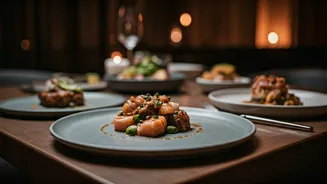
from international cuisines. This concept, sometimes called 'third-culture cuisine', is about more than just fusion. It's a deeply personal approach where chefs draw from their entire heritage, training, and travel experiences to tell a story on the plate. A dish might feature a familiar comfort food reinvented with an unexpected technique or a global twist, creating something that feels both new and nostalgic.
Moving Beyond Strict Authenticity
For decades, the highest praise for many restaurants was 'authenticity'—the idea that a dish was a perfect, unchanged representation of its origin. But today's culinary world is beginning to see authenticity differently. Many chefs now believe that true authenticity lies not in rigid tradition, but in honouring their own unique culinary journey. This globalised approach allows them to create dishes that are deeply personal yet universally appealing. The result is a dining experience that is less about a history lesson and more about a creative conversation. This reflects a broader shift where diners, especially in a multicultural and well-travelled country like India, are eager for innovation and unique experiences.
Why the Experience Feels 'Richer'
The headline's claim that these plates make a restaurant 'feel richer' speaks to a few key emotional and sensory elements. First, there's the richness of story. A multi-regional dish often comes with a narrative about the chef's inspiration, turning the meal into a more engaging experience. Second, there is a richness of flavour and texture that comes from unexpected combinations—the smokiness of a Northeastern ingredient paired with the creaminess of a South Indian sauce, for example. This complexity stimulates the palate in new ways. Finally, it provides a feeling of added value. Diners feel they are getting a unique, creative, and thoughtfully constructed experience that they couldn't easily replicate at home, which elevates the meal beyond just sustenance.
A Perfect Fit for the Indian Palate
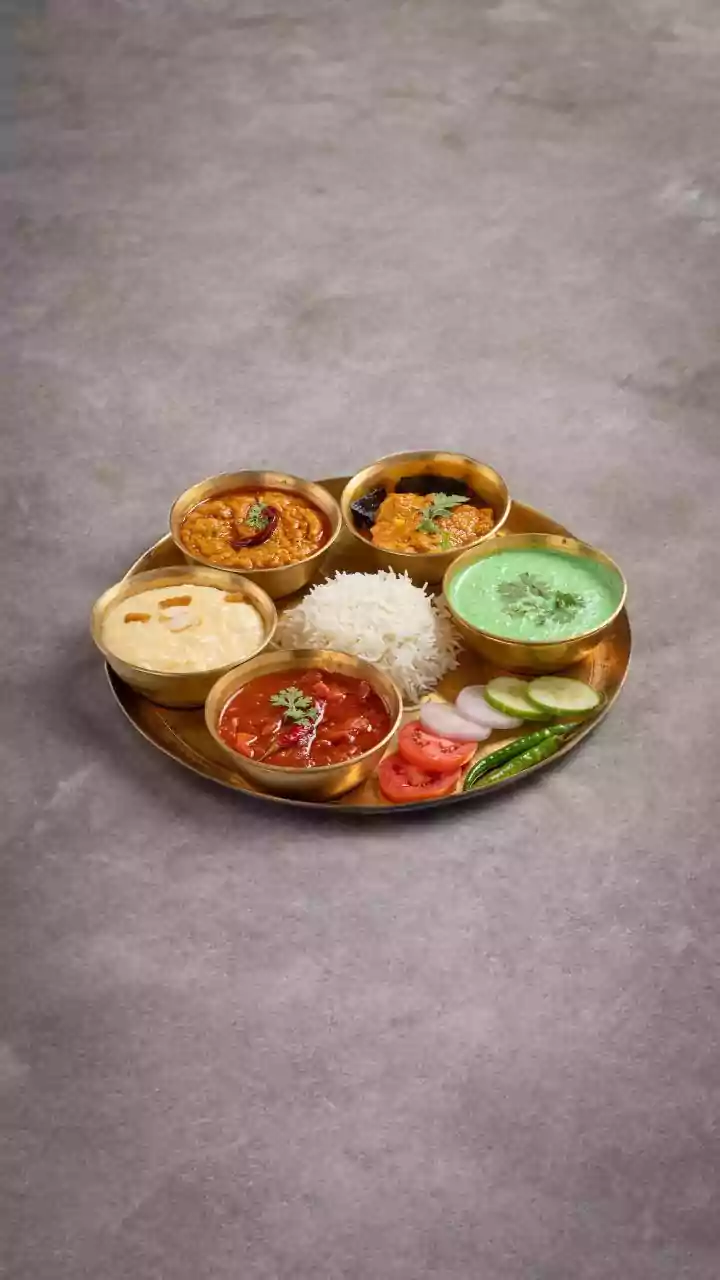
India, with its vast and deeply varied culinary map, is uniquely suited for this trend. Indian diners have an innate understanding of regional differences, from the mustard-oil-laced dishes of the East to the coconut-rich curries of the South. This built-in 'culinary literacy' makes them an ideal audience for chefs who want to play with these regional building blocks. A chef might reinvent a classic Mangalorean ghee roast with a different protein or introduce a Naga chili to a Goan-style preparation. This approach respects the core flavours that diners love while offering a sense of discovery. It’s a celebration of India’s diversity, presented not as a museum of separate cuisines, but as a living, evolving culinary landscape.
Good for Business, Good for Creativity
This trend isn't just an artistic one; it also makes good business sense. By not being tied to a single region, chefs have the flexibility to use the best seasonal and local ingredients available, which can be both cost-effective and sustainable. A multi-regional menu can also be a powerful unique selling proposition, helping a restaurant stand out in a crowded market. It allows establishments to adapt to evolving tastes and food trends without having to overhaul their entire identity. This flexibility keeps the menu exciting for repeat customers and provides a reason for new patrons to visit, ensuring the restaurant remains a dynamic and relevant destination.