




The Calcium Question: Bone Health Hero
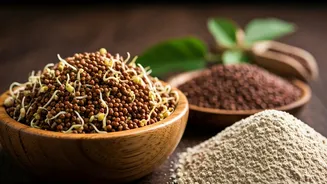
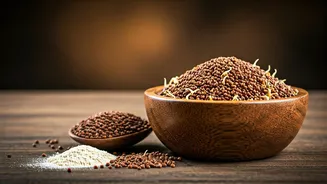
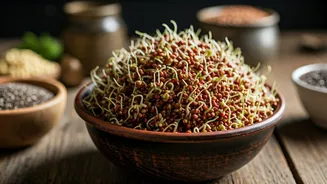
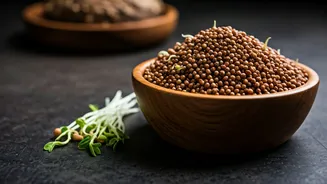
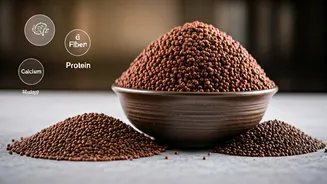
One of the standout features of ragi, or finger millet, is its exceptional calcium content. It's one of the richest non-dairy sources of this essential mineral, crucial for bone density and strength. When ragi is sprouted, its nutritional power is unlocked.
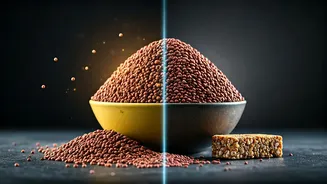
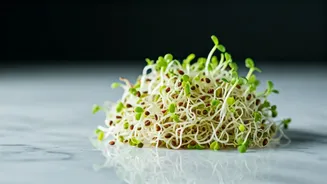
The sprouting process breaks down anti-nutrients like phytic acid, which can inhibit the absorption of minerals. This means the calcium in sprouted ragi is more 'bioavailable'—your body can absorb and use it more effectively. In contrast, while some processed snack bars are fortified with calcium, it's often in a synthetic form that may not be as readily absorbed. For genuine, nature-derived bone support, sprouted ragi is the clear winner.
Energy Source: Slow Release vs. Sugar Crash
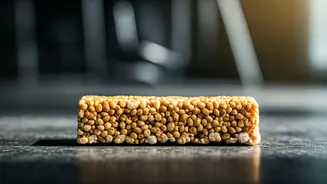
Think about how you feel after eating a typical snack bar. You might get a quick burst of energy, but it's often followed by a slump. This is because many bars are packed with refined sugars, syrups, and simple carbohydrates that cause a rapid spike in blood sugar. Sprouted ragi, on the other hand, is a complex carbohydrate with a low glycemic index. This means it releases energy slowly and steadily, keeping you feeling full and energetic for longer without the dreaded sugar crash. The high fibre content in ragi further helps in regulating blood sugar levels, making it an excellent choice for sustained energy throughout the day, especially for those managing diabetes.
Fibre, Fullness, and Gut Health
Fibre is a cornerstone of a healthy diet, aiding digestion, promoting gut health, and contributing to feelings of fullness (satiety). Sprouted ragi is a fantastic source of dietary fibre. This not only keeps your digestive system running smoothly but also helps prevent overeating by making you feel satisfied with a smaller portion. Processed snack bars, even those marketed as 'high-fibre', often use isolated or added fibres like inulin or chicory root, which can sometimes cause bloating or digestive discomfort in some individuals. The natural, insoluble fibre in ragi provides bulk and supports a healthy gut microbiome in a way that processed ingredients often can't replicate.
The Whole Food Advantage
Beyond calcium and fibre, sprouted ragi is a powerhouse of other essential nutrients. It's rich in iron, amino acids like tryptophan and methionine, and antioxidants that help fight cellular damage. As a whole food, these nutrients exist in a natural matrix, working synergistically. Processed snack bars are, by definition, not whole foods. They are engineered products, often stripped of their natural goodness during manufacturing and then 'enriched' with a select list of synthetic vitamins and minerals. They may also contain preservatives, artificial flavours, and unhealthy fats (like palm oil) to enhance shelf life and taste, which offer no health benefits and can be detrimental in the long run.
Making the Healthy Switch
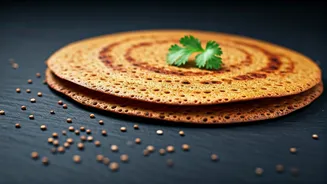
Incorporating sprouted ragi into your diet is simpler than you might think. You don't have to give up convenience. Sprouted ragi flour can be used to make a quick, nourishing porridge (ragi malt) in minutes—just mix with water or milk and cook. You can also make ragi dosas, idlis, rotis, or even healthy laddus. Pre-made sprouted ragi malt mixes are widely available, offering a convenient alternative to sugary breakfast cereals or snack bars. By swapping a daily processed bar for a ragi-based snack, you are making a significant upgrade to your nutritional intake without sacrificing time.