


The Urban Mobility Maze
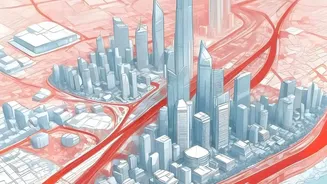
Navigating a major Indian metropolis is a daily test of patience and strategy. Public transport systems, despite expansion efforts, are often overburdened, with buses and local trains packed to capacity during peak hours. For a young professional on their
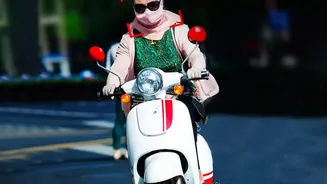
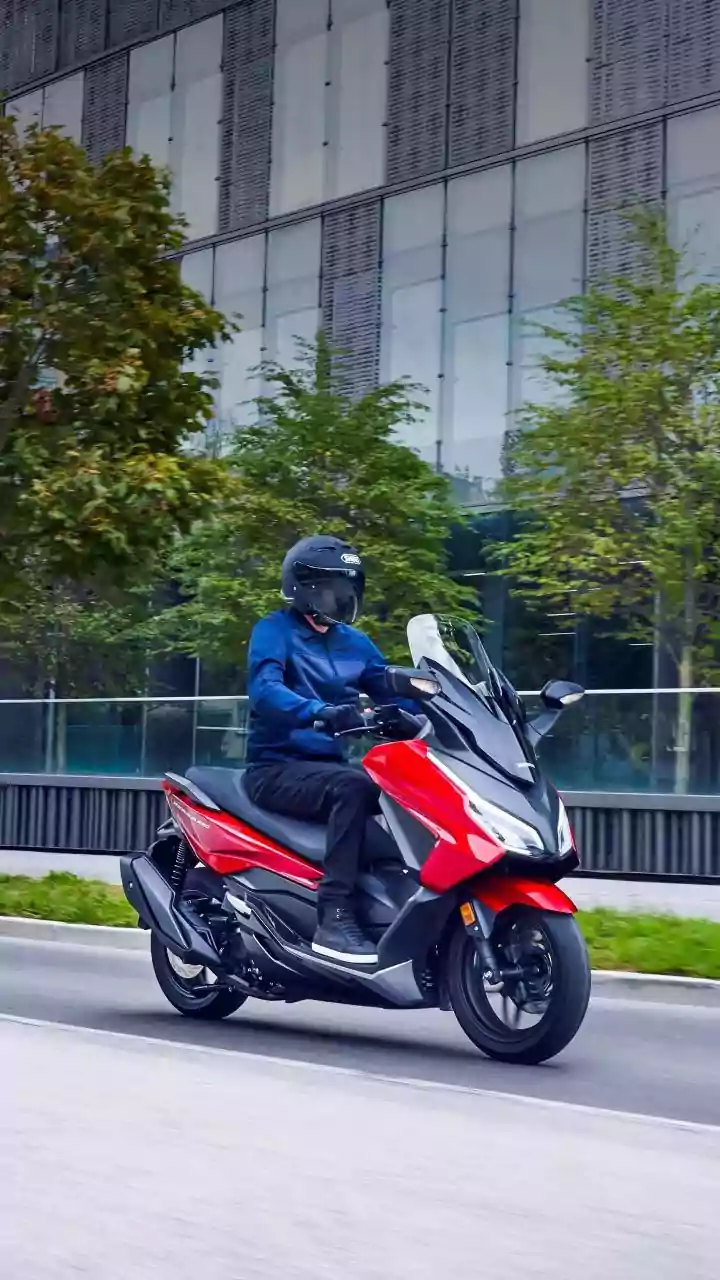
first job, this means unpredictable travel times, a stressful start to the day, and persistent issues with last-mile connectivity — the frustrating gap between the metro station or bus stop and their final destination. This reality forces many to seek personal mobility solutions. While car ownership remains a distant dream for most due to high costs and parking woes, two-wheelers present a practical and immediate answer to the urban commute problem. Their agility in dense traffic and ease of parking make them perfectly suited for the urban landscape.
An Unbeatable Economic Equation
The primary driver behind the two-wheeler's enduring popularity is simple economics. The cost of purchasing a scooter or a motorcycle is a fraction of a car's price. More importantly, the rise of accessible financing has been a game-changer. Financial institutions and NBFCs offer two-wheeler loans with attractive EMI options, making ownership possible for individuals with their first paycheques. Many lenders provide up to 95% financing, drastically reducing the upfront financial burden. Beyond the purchase, the running costs are significantly lower. Fuel-efficient models can offer mileage between 40 and 70 kmpl, a stark contrast to cars. When compared to the daily expense of app-based cabs or even the monthly cost of metro travel in some cities, owning a two-wheeler is often the cheaper alternative. Routine maintenance is also more affordable, with service costs and spare parts being relatively inexpensive.
The Currency of Time and Freedom
For a young professional, a two-wheeler is an investment in time and autonomy. It grants them control over their schedule, freeing them from the rigid timetables and routes of public transport. This flexibility is not just a convenience; it is an economic enabler. It allows them to stay late at the office to finish a project, attend evening classes to upskill, or even take up freelance or gig work to supplement their income. The explosion of the gig economy, from food delivery to e-commerce logistics, is intrinsically linked to two-wheeler ownership. A personal vehicle provides the mobility required to participate in this fast-growing sector, turning a simple scooter into a tool for economic advancement. This newfound independence empowers young individuals to build their careers and social lives on their own terms.
The Electric Shift Begins
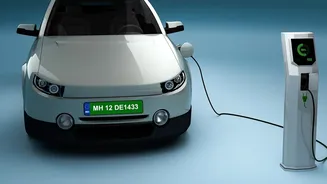
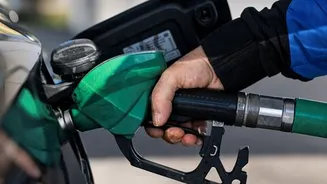
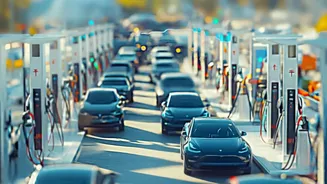
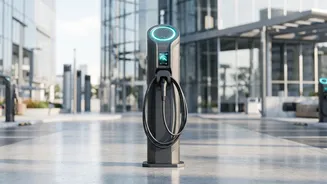
The conversation around two-wheelers is increasingly shifting towards electric models. While initial costs can be higher than their petrol counterparts, government subsidies and state-level incentives are making them more affordable. The real saving, however, comes from the dramatically lower running costs. Charging an electric scooter at home costs significantly less than filling a tank with petrol, and with fewer moving parts, maintenance is minimal. For a daily commuter, especially those in the gig economy travelling over 100 km a day, the monthly savings can be substantial, ranging from ₹8,000 to ₹15,000. As battery technology improves and charging infrastructure expands, electric scooters are poised to become an even more compelling option for the cost-conscious young professional, blending fiscal prudence with environmental consciousness.