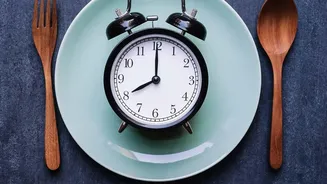







Your Body's Internal Clock
Every cell in your body operates on a roughly 24-hour cycle known as a circadian rhythm. This internal 'master clock', located in the brain, is primarily set by light and darkness, telling your body when to sleep, wake up, release hormones, and even feel
hungry. Think of it as the master conductor of an orchestra, ensuring all your bodily functions—from digestion to metabolism—are playing in sync. When this rhythm is consistent, your body runs efficiently. But modern life, with its shift work, late-night screen time, and irregular meals, can easily throw this finely-tuned clock out of whack.
The Gut's Own Rhythm
Now, imagine a second, related clock. That's essentially what your gut microbiome is. The trillions of bacteria living in your digestive tract don't just exist randomly; they also have their own daily rhythm. Their composition and activity levels change throughout the day, largely influenced by your eating schedule. These gut microbes are essential partners in your health, helping to digest food, produce essential vitamins, and regulate your immune system. When you eat at consistent times, you reinforce a healthy, stable rhythm for these bacteria. Irregular patterns, like constant grazing or late-night meals, can disrupt this microbial clock.
The Link to Inflammation
This is where the new research gets really interesting. Scientists have found a direct link between a misaligned body clock and an imbalanced gut microbiome, which in turn can trigger chronic inflammation. When your eating and sleeping schedules are erratic, it throws your gut bacteria's rhythm into disarray. This disruption can lead to a decrease in beneficial bacteria and an increase in species that promote inflammation. Furthermore, a disrupted clock can weaken the intestinal barrier, a condition sometimes called 'leaky gut', allowing substances to pass into the bloodstream that trigger a low-grade, systemic inflammatory response from your immune system.
Why This Matters for Your Health
Chronic, low-grade inflammation isn't something you'd necessarily feel day-to-day like a swollen ankle. Instead, it's a persistent, underlying state of alert for your immune system, which is now linked to a host of modern health problems. Research shows that this kind of circadian disruption and the resulting inflammation are associated with an increased risk of metabolic disorders, including obesity, type 2 diabetes, and cardiovascular disease. By repeatedly eating and sleeping out of sync with your body's natural clock, you may be creating an internal environment that paves the way for these long-term health issues.
Simple Steps to Resync Your Clock
The good news is that you don't need a perfect life to support your internal clocks. The key is consistency. Aim to eat your meals around the same time each day, as this is a powerful signal for your gut's rhythm. Try to align your eating window more with daylight hours, making lunch your largest meal and finishing your evening meal at least two to three hours before you go to bed. This gives your digestive system, and its microbial residents, time to rest and repair overnight. Paired with a regular sleep schedule, these small, consistent habits can help reinforce a healthy alignment between your body clock, your gut, and your overall health.