


The Modern Kitchen Storage Struggle
In many contemporary homes, the kitchen is the bustling heart of daily life. But with open-plan living making kitchens constantly visible, clutter has become a primary concern. Countertops overflow with appliances, and cabinets are often a chaotic jumble
of ingredients, making it hard to find what you need. This disarray not only affects the kitchen's appearance but also its efficiency, turning cooking from a joy into a stressful treasure hunt. The challenge is clear: how to store more without sacrificing precious floor or counter space. The answer, it turns out, has been hiding in plain sight for centuries.
A Classic Reborn: What is a Larder?
Before refrigeration, the larder was an essential part of the home—a cool, ventilated room or cupboard for preserving perishable foods like meat, dairy, and vegetables. Traditionally located on the shadiest side of the house, it was the original cold storage solution. With the arrival of the modern fridge, these dedicated spaces fell out of fashion. However, the concept is experiencing a significant revival, not for preserving meat, but as a supremely organized form of pantry storage. Today’s larder is less about temperature control and more about centralized, accessible storage for all dry goods, from spices and grains to oils and canned foods.
The Freestanding Advantage
While built-in pantries are a great option, the freestanding larder is gaining popularity for its flexibility and charm. Unlike integrated cabinets, a freestanding unit is a standalone piece of furniture. This means it can be added to any kitchen without a major remodel, positioned wherever it’s needed most, and even moved to a new home. These pieces add character and can become a beautiful focal point, breaking up the monotony of uniform cabinetry. They nod to traditional design while fitting seamlessly into modern and contemporary kitchens, offering a touch of timeless elegance.
The Power of Going Vertical
The true genius of the freestanding larder lies in its use of vertical space. These tall, often narrow cabinets maximize storage capacity on a minimal footprint, making them ideal for smaller and larger kitchens alike. Instead of spreading items across multiple low cupboards, a larder consolidates everything in one place, drawing the eye upward. This approach frees up valuable counter and cabinet space, creating a more open and efficient work area. Almost any kitchen can benefit from vertical storage, and a larder is a perfect way to pack a huge amount of storage into a previously underutilized area.
Achieving Organisational Bliss
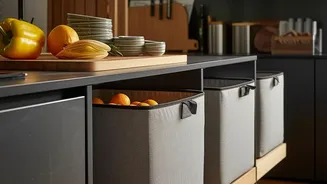
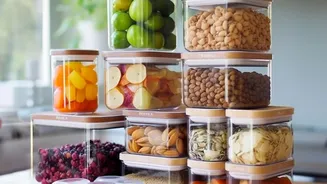
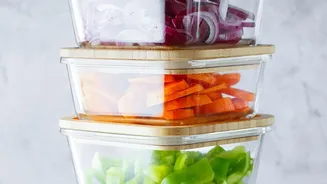
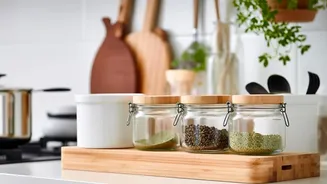
A well-designed larder is a masterclass in organization. Modern designs often feature a combination of adjustable shelves, deep drawers, pull-out baskets, and spice racks on the inside of the doors. This ensures that everything has its own designated spot. With all your ingredients visible at a glance, meal planning becomes simpler, and you're less likely to buy duplicate items or let food expire. This level of organization helps keep countertops clear, fostering a sense of calm and control in the kitchen. Marie Kondo’s philosophy applies perfectly here: categorize items and use clear containers to make everything easy to see and access.
Choosing the Right Larder for You
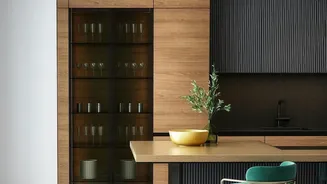
When selecting a freestanding larder, consider your kitchen's style and your specific storage needs. Single-door models are great for compact spaces, while larger double-door units offer expansive storage for bigger households. Pay attention to the internal configuration; look for adjustable shelving to accommodate items of different heights and specialized features like wine racks or deep drawers for pots and pans. The material and finish should complement your existing decor, whether you prefer the rustic charm of natural wood or a sleek, painted finish for a more contemporary look.