






The Challenge of Modern Teen Stress
Being a teenager has always been challenging, but today's academic environment is uniquely demanding. The pressure to excel, combined with a 24/7 digital world, can leave many feeling overwhelmed and emotionally exhausted. This isn't just about managing
a busy schedule of classes, homework, and extracurriculars; it's about coping with the constant mental load. Stress from school, social expectations, and an endless stream of information can lead to anxiety, poor sleep, and difficulty concentrating, making the academic journey feel even more difficult.
Beyond a Workout: What 'Mindful' Yoga Means
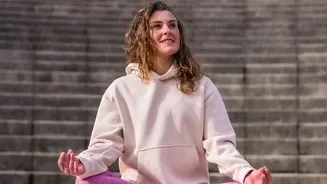
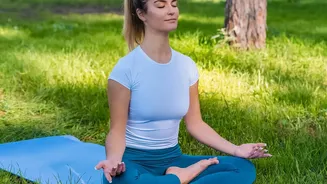
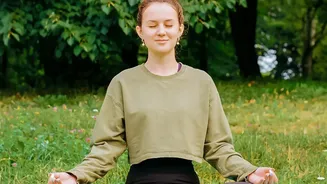
Many people mistake yoga for a simple stretching routine, but its true power lies in the integration of mind, body, and breath. Mindful yoga teaches teens to pay attention to the present moment without judgment. It’s not about achieving a perfect pose, but about noticing the sensations in your body as you move and breathe. This practice of focused attention is a skill that directly counteracts the scattered, anxious thinking that stress often causes. By combining physical postures with controlled breathing techniques, it becomes a form of active meditation that calms the entire system.
The Science of Finding Calm
The stress-relieving effects of mindful yoga are backed by science. When we're stressed, our body's 'fight-or-flight' response is activated, flooding our system with the stress hormone cortisol. Mindful yoga, particularly its focus on slow, deep breathing, helps activate the parasympathetic nervous system—our body's 'rest-and-digest' mode. This shift has measurable biological effects. Studies show that consistent yoga practice can lower cortisol levels, helping to reduce feelings of anxiety and promote a sense of calm. It also helps regulate the nervous system, making it easier to handle emotional ups and downs with greater clarity.
Building a Mental Toolkit for School
One of the greatest benefits of mindful yoga is that its lessons extend far beyond the mat. The techniques learned—like focused breathing, body awareness, and non-reactive observation of thoughts—become a portable toolkit for managing stress in real-time. A teen can use a simple breathing exercise, like Box Breathing, for two minutes before a major exam to calm their nerves and improve focus. They can practice a grounding technique, like the 5-4-3-2-1 exercise, to pull their attention away from anxious thoughts while sitting at their desk. These are not just relaxation tricks; they are practical skills in emotional regulation that build resilience and confidence.
Simple Poses to Start Today
Getting started with mindful yoga doesn't require a special studio or equipment. These simple poses can be done almost anywhere to release tension and reset the mind. Cat-Cow Pose: Start on your hands and knees. As you inhale, drop your belly and look up, arching your back. As you exhale, round your spine like a cat, tucking your chin to your chest. This movement connects breath to the spine and releases back tension. Child's Pose: From your hands and knees, sit back so your hips are over your heels, and fold your torso forward, resting your forehead on the floor. This is a resting pose that gently stretches the back and hips, encouraging relaxation. Legs-Up-The-Wall Pose: Lie on your back and swing your legs up to rest against a wall. This simple inversion is incredibly calming for the nervous system and can help relieve tired legs after a long day of sitting.