



The Science of a Sip
While there isn't one single '9,000-person' study that recently made headlines, a wealth of large-scale research, including massive datasets like the UK Biobank which involves hundreds of thousands of participants, consistently explores the connection
between bitter taste perception, diet, and health. This body of work collectively paints a fascinating picture. Scientists are investigating how our ability to taste bitter compounds influences everything from the vegetables we eat to our risk factors for chronic diseases. The core idea is that taste is not just about enjoyment; it is a biological signaling system that guides our food choices, and researchers are now decoding what those signals mean for our health.
It's All in Your Genes
Why do some people recoil from the bitterness of kale while others happily munch away? The answer lies largely in our genetics. We all have taste receptor genes, and one of the most studied is TAS2R38. This gene determines how strongly you perceive certain bitter compounds found in cruciferous vegetables like broccoli and cabbage. Based on which variants of this gene you have, you might be a 'non-taster' (bitterness is barely detectable), a 'taster' (you notice it), or a 'supertaster' (the bitterness is intensely strong). This genetic lottery helps explain why forcing a child who is a supertaster to eat plain, steamed Brussels sprouts can be a genuine struggle for them—their biology is screaming 'poison!' even if their brain knows it is healthy. This evolutionary trait likely developed to help our ancestors avoid toxic plants.
The Bitter Health Paradox
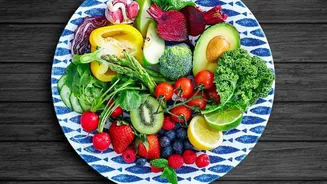
Herein lies the paradox: many of the healthiest foods available are naturally bitter. Think of arugula, dark chocolate, green tea, kale, and even coffee. These foods are packed with beneficial compounds like polyphenols, flavonoids, and glucosinolates. These phytonutrients act as antioxidants, helping to combat cellular damage, and have anti-inflammatory properties. Some studies suggest that people who are genetically sensitive to bitterness eat fewer vegetables, potentially missing out on these protective benefits. For years, the conventional thinking was that supertasters might be at a disadvantage, but newer research complicates this, showing that bitter receptors do more than just taste—they are found throughout the gut and may play a role in digestion and even blood sugar regulation.
Rethinking Your Relationship with Bitter
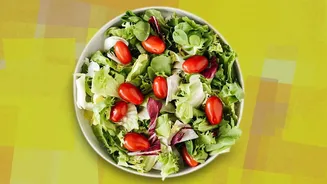
If you are someone who shies away from bitterness, the good news is you are not doomed to a diet of blandness, nor do you have to force-feed yourself foods you detest. Taste preferences are not set in stone. You can train your palate over time with repeated exposure. The key is preparation. Instead of steaming, try roasting vegetables like broccoli or Brussels sprouts; this caramelizes their natural sugars and mellows their bitter edge. Another strategy is to balance the bitterness with other flavors. Adding a touch of healthy fat (like olive oil), acidity (a squeeze of lemon), or a hint of sweetness (a drizzle of honey) can make bitter greens far more palatable. Combining bitter greens like arugula with milder ones like spinach in a salad is another great starting point.