





Master Your Drainage
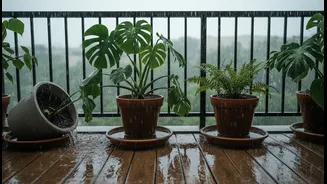
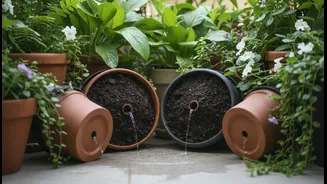
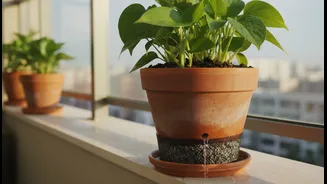
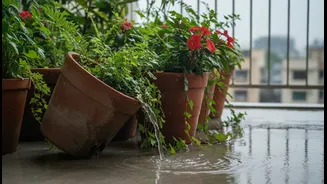
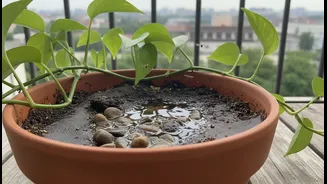
This is the most critical rule of monsoon gardening. Constant rain means the biggest threat to your potted plants is 'wet feet,' which leads to root rot. Check that every pot has clear drainage holes. If they are blocked, use a small tool to clear them
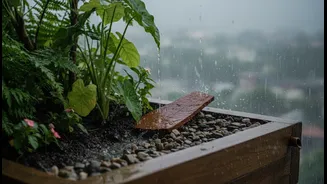
out. A simple but highly effective trick is to place your pots on 'pot feet' or even bricks. This small elevation allows excess water to escape freely and improves air circulation beneath the pot, preventing the soil from becoming a soggy, oxygen-deprived swamp where fungal diseases thrive. During heavy rains, it's also wise to remove the saucers or trays from under your pots, as they can collect water and keep the roots submerged.
Rethink Your Watering Schedule
It may sound obvious, but you need to drastically cut back on manual watering. The natural rainfall is often more than enough. Overwatering is the most common mistake gardeners make during this season. Ditch your fixed watering schedule and rely on a simple test: stick your finger about an inch or two into the soil. If it feels dry at that depth, then you can consider watering. If it's moist, leave it alone. The top layer of soil can be deceiving, so checking deeper is essential to understand the moisture level around the roots. For most plants, letting the rain do the work is the best approach.
Amend Your Soil
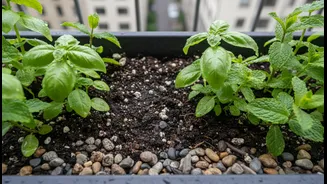
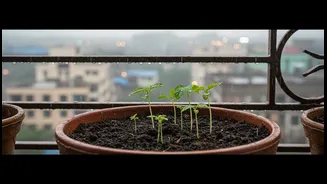
The ideal monsoon soil is one that doesn't hold onto too much water. Heavy, clay-like garden soil is a nightmare in containers as it compacts and retains excessive moisture. If you're repotting before or during the rains, use a light, well-aerating potting mix. A good combination often includes garden soil, cocopeat, compost, and perlite or coarse sand. The cocopeat and compost provide nutrients, while perlite and sand create air pockets and ensure water drains through quickly, keeping the roots healthy and oxygenated. If your plants are already potted, you can carefully loosen the top layer of soil to prevent it from becoming compacted by the force of the rain.
Guard Against Pests and Fungi
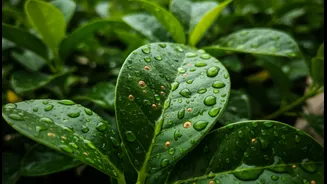
High humidity and dampness create a paradise for pests like aphids, mealybugs, slugs, and snails, as well as fungal diseases like powdery mildew and leaf spot. Prevention is far better than cure. Keep your plants well-spaced to encourage good air circulation, which helps leaves dry faster and discourages fungal growth. Regularly inspect the leaves and stems, especially the undersides, for any signs of trouble. Pruning away any yellowing or diseased leaves immediately can stop a problem from spreading. A preventive spray of neem oil solution every 10-15 days can act as a natural and effective fungicide and pest repellent.
Manage Sunlight and Rain Exposure
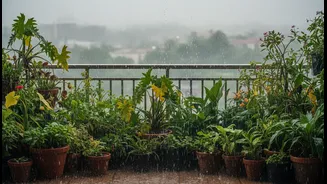
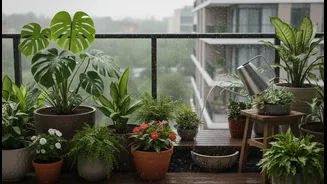
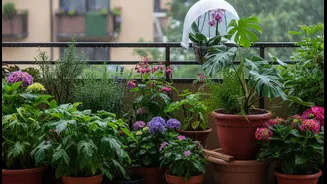
While rain is the main event, don't forget about sunlight. Overcast days mean less light for your plants, so if possible, move them to the brightest part of your balcony. For plants that are sensitive to heavy downpours, like succulents or those with delicate leaves, strategic placement is key. Move them to a spot with an overhang or group them together to provide some mutual protection from the full force of the rain. For very strong winds and rain, you might need to stake taller plants to prevent them from snapping.
Provide Gentle Nutrition
Heavy rainfall can wash away essential nutrients from the soil in a process known as nutrient leaching. This can leave your plants looking pale and weak. However, this is not the time for strong chemical fertilizers, which can also wash away quickly and potentially harm stressed roots. Instead, opt for slow-releasing organic matter. A light top dressing of vermicompost or well-rotted manure every few weeks is an excellent way to replenish nutrients gently. This provides a steady, slow supply of food that supports strong, resilient growth throughout the season.