





The Unique Needs of a City Dog
Life in the city presents a specific set of challenges for dogs. Limited space can mean less spontaneous exercise, raising the risk of obesity. Constant exposure to urban stimuli and pollutants can also contribute to stress and sensitivities. These factors
mean that an urban dog's nutritional needs can differ from their suburban counterparts. Managing weight with lean protein, supporting their immune system, and ensuring proper digestion become paramount for dogs living in a fast-paced urban environment. Pet owners are increasingly seeking diets that address these specific pressures.
What 'Fresh Food' Really Means
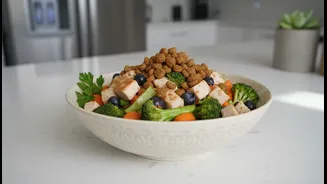
The term "fresh dog food" refers to meals made with whole-food ingredients that are minimally processed and often cooked at low temperatures to preserve nutrients. Unlike traditional dry kibble, which undergoes high-heat processing, fresh food is typically made from human-grade ingredients like real meats, vegetables, and grains that you can actually see in the bowl. This type of food is usually free from artificial preservatives and fillers. It's stored in the refrigerator or freezer to maintain its freshness, much like the food people eat themselves.
Decoding 'Vet-Approved' Nutrition
The phrase "vet-approved" is more than just a marketing slogan. Reputable fresh food companies collaborate with board-certified veterinary nutritionists to formulate their recipes. This ensures the meals are "complete and balanced," meeting the nutritional standards set by organizations like the Association of American Feed Control Officials (AAFCO). A vet's involvement ensures that every ingredient serves a purpose and that the diet supports a dog's health at their specific life stage, from puppy to senior. Some brands even conduct their own feeding trials and digestibility studies to scientifically validate the benefits of their formulas.
The Digestive and Health Benefits
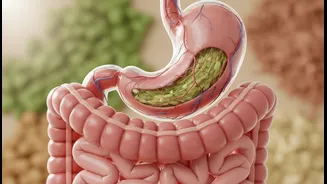
One of the most significant advantages of fresh food is its high digestibility. Because the ingredients are less processed, a dog's body can absorb more of the available nutrients, which often results in smaller, firmer stools. The high moisture content also helps keep dogs hydrated. Many owners report seeing improvements in their dog's energy levels, skin health, and coat shine. For picky eaters, the natural aroma and texture of fresh food can be much more appealing than dry kibble, ensuring they get the calories and nutrients they need.
Making the Switch in the City
For an urban pet parent, convenience is key. Many fresh food brands operate on a subscription model, delivering pre-portioned meals directly to your door, which eliminates guesswork and helps with portion control to manage weight. While it requires fridge or freezer space, the pre-portioned packs are often designed for easy storage in smaller living situations. When transitioning your dog, the key is to do it gradually over a period of 7 to 10 days. Start by mixing a small amount of the new fresh food (about 25%) with their old food, and slowly increase the ratio until you have fully switched over. This allows your dog's digestive system to adapt without causing an upset stomach.