

The Soothing Classic: Moong Dal Khichdi
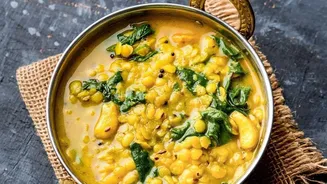
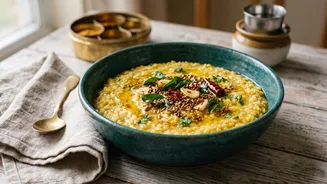
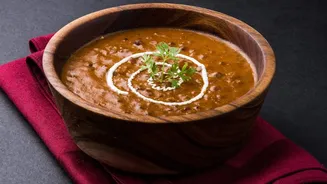
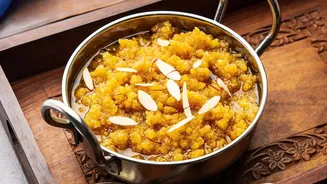
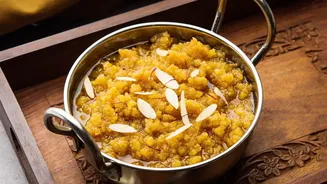
This is the khichdi most of us grew up with. Made with rice and split yellow moong dal, it’s celebrated for being incredibly light and easy to digest. According to Ayurveda, moong dal is suitable for all body types, making it a go-to meal for recovery
and comfort. The dal breaks down into a creamy, soft consistency that perfectly melds with the rice. Its gentle flavour makes it an excellent canvas for a simple 'tadka' of ghee, cumin seeds, and a pinch of asafoetida. While it is a simple dish, its place as the ultimate comfort food is undisputed.
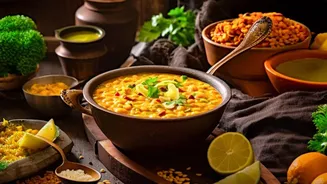
The Hearty Alternative: Toor Dal Khichdi
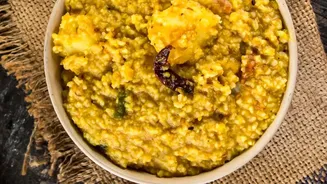
If you prefer a khichdi with more texture and a richer, nuttier flavour, using toor dal (split pigeon peas) is a fantastic choice. Unlike moong dal, toor dal holds its shape better when cooked, resulting in a less porridge-like consistency and a more distinct bite. This variation is particularly popular in Western India, often forming the base of a more elaborate masala khichdi with vegetables and spices. Combining toor dal with moong dal is also a common practice to get the best of both worlds – creaminess and texture. It pairs beautifully with a dollop of yoghurt or a tangy 'kadhi'.
The Rustic Powerhouse: Bajra Khichdi
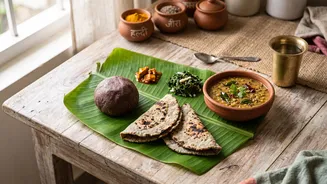
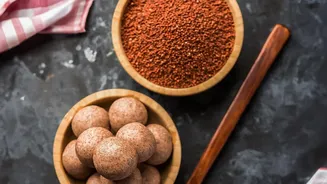
Hailing from the arid regions of Rajasthan and Haryana, bajra (pearl millet) khichdi is a rustic and deeply nutritious meal, especially favoured in winter for its warming properties. Bajra replaces rice, offering an earthy flavour and a pleasantly coarse texture. The millet is typically paired with moong dal and cooked with generous amounts of ghee and warming spices. Due to the nature of the grain, bajra usually requires soaking overnight to ensure it cooks to a soft consistency. This gluten-free variation is packed with iron and fibre, making it a robust and satisfying one-pot meal that keeps you full for hours.
The Quick Comfort: Masoor Dal Khichdi
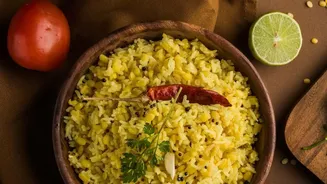
For days when you need a nourishing meal in a hurry, masoor dal (red lentils) is your best friend. These lentils cook much faster than other varieties and break down completely, creating an exceptionally creamy and smooth khichdi. You can pair masoor dal with short-grain rice to enhance its soft, porridge-like texture. Its mild flavour allows the spices, like ginger and turmeric, to shine through. This version is perfect for a quick weeknight dinner and is just as comforting and wholesome as its traditional counterparts.
The Modern Health Boost: Oats Khichdi
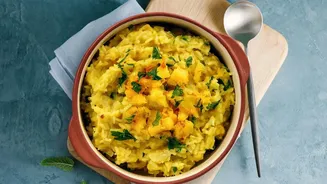
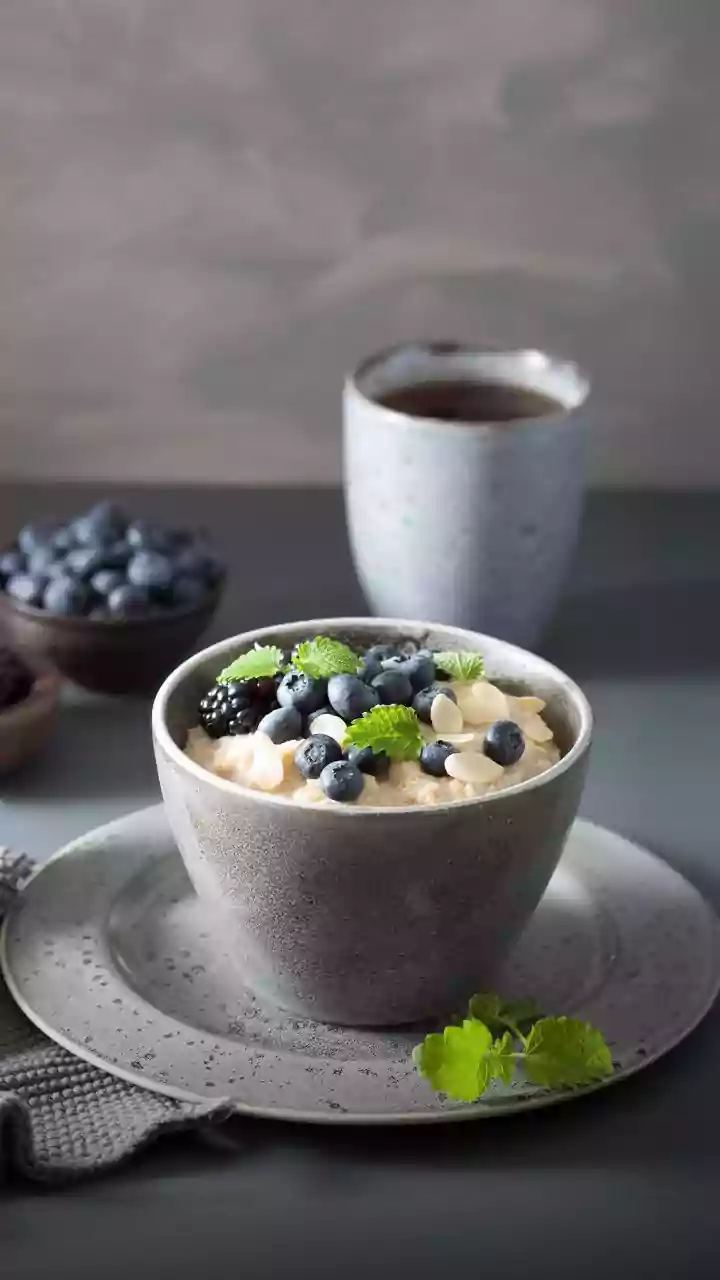
A contemporary take on the classic, oats khichdi swaps out rice for rolled oats, creating a dish that is high in fibre and protein. This variation is wonderfully quick to cook and results in a creamy, porridge-like consistency that is both filling and light. It’s an excellent choice for a healthy breakfast or a light dinner. Loaded with vegetables and seasoned with simple spices, oats khichdi is a great way to incorporate the health benefits of oats, such as supporting heart health and managing blood sugar levels, into a traditional Indian format.
For Fasting Days: Sabudana Khichdi
Though it shares a name, Sabudana Khichdi is a completely different dish. Made from sabudana (tapioca pearls) instead of grains and lentils, it's a popular choice during religious fasts. The soaked sabudana pearls are sautéed with boiled potatoes, roasted peanuts, green chillies, and curry leaves. The final dish is not soft and mushy but rather a delightful mix of chewy pearls and crunchy peanuts, with a tangy flavour from lemon juice. The key to a perfect, non-sticky sabudana khichdi lies in soaking the pearls correctly—using just enough water to let them bloom.