





Setting the Scene: Dream vs. Reality
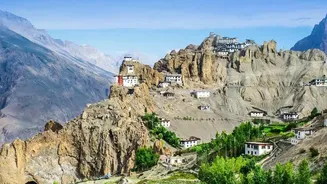
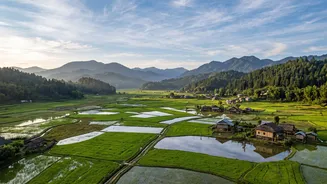
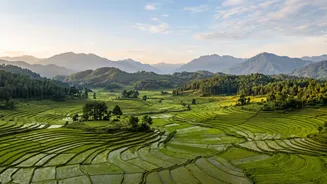
The idea of working from a UNESCO World Heritage tentative site amidst the Apatani tribe's stunning landscape is a powerful draw. Ziro Valley, especially during the music festival, offers a unique blend of culture, nature, and art. However, a successful
workcation here requires planning. While the valley is welcoming, its remote location means you can't expect the plug-and-play convenience of a city. Infrastructure for digital nomads is improving but can be inconsistent. Think of it less as a co-working hub and more as a beautiful, rewarding challenge. This guide will help you navigate the practicalities so you can focus on both your deadlines and the drumbeats.
Connectivity: Your Digital Lifeline
Internet access is the cornerstone of any remote work setup, and in Ziro, it's a mixed bag. While the area was once considered an internet dark zone, connectivity has improved significantly. Many homestays and some hotels now offer Wi-Fi, which is often your most reliable option. Ziro Valley Resort, for example, lists free Wi-Fi as a perk. However, don't rely on it entirely. It is crucial to have a mobile data backup. BSNL has traditionally had the widest reach, but 4G services from Airtel and Jio have expanded. Ask your accommodation provider about recent network performance. For absolute peace of mind, consider carrying a portable Wi-Fi hotspot with multiple SIM cards. Local broadband providers like WisTech also operate in the area, but this is less practical for a short-term stay.
Powering Your Productivity
Like many Himalayan regions, Ziro can experience power cuts. While many hotels and resorts have power backup, it might not cover all the outlets in your room or run 24/7. For a remote worker, this can be a critical issue. The non-negotiable item on your packing list should be a high-capacity power bank or a portable power station. A power bank can keep your phone and router alive, but a portable power station (from brands like Jackery or EcoFlow) can run your laptop for several hours, ensuring you never miss a deadline due to an outage. Some models can even be recharged with portable solar panels, offering true off-grid assurance.
Finding Your Temporary Office
Ziro is not a place with bustling cafes full of freelancers. Your primary workspace will likely be your accommodation. When booking, be explicit about your needs. Prioritize homestays or resorts known for catering to travellers who need connectivity. Options range from campsites to homestays and hotels. Camping is a core part of the festival experience for many, but it is not conducive to focused work. Opt for a homestay with the Apatani people for a culturally immersive experience, but confirm Wi-Fi availability and ask about a quiet corner or room where you can work undisturbed. Hotels like Ziro Valley Resort are a safer bet if a dedicated desk and more predictable amenities are a priority. Book well in advance, as everything fills up months before the festival dates of September 24-27.
Travel and Permits Explained
Getting to Ziro is part of the adventure. The most common route is to fly into Guwahati, Assam, or the closer Donyi Polo Airport in Itanagar, Arunachal Pradesh. From there, it's a scenic but long drive of about 3-4 hours from Itanagar or 10-12 hours from Guwahati. Taxis are available from the airports. Crucially, all domestic tourists require an Inner Line Permit (ILP) to enter Arunachal Pradesh. This is mandatory and can be applied for online through the official government portal. The process is straightforward and requires a photo and ID proof. Do this well in advance to avoid any last-minute issues.
Balancing Beats and Bandwidth
The Ziro Festival of Music 2026, running from September 24th to 27th, features a packed lineup of over 40 artists from India and around the world. The music typically starts in the afternoon and runs into the night. This schedule is perfect for a remote worker. Dedicate your mornings to deep work when the festival grounds are quiet and the network is less congested. Use the afternoons and evenings to immerse yourself in the music, explore the artisan stalls, and sample local food. Plan your work schedule before you arrive, communicate your availability to your team, and then allow yourself to disconnect and enjoy the magic of one of India's most unique cultural events.