





What Exactly Is Task Lighting?
Before you can use it, it helps to know what it is. General or ambient light, like a ceiling fixture, illuminates an entire room. Task lighting is different; it's a focused beam of light aimed at a specific area where you perform an activity. Think of a desk
lamp for studying, a reading light over an armchair, or under-cabinet lights in the kitchen for chopping vegetables. Unlike broad overhead lighting that can create glare or shadows, task lighting provides concentrated, clear illumination right where you need it, making it perfect for carving out a functional workspace within a larger, multi-purpose room.
The Benefits of Creating a 'Light Bubble'
The magic of task lighting in a shared room is its ability to create a psychological boundary. A pool of light on your desk acts as a visual cue, signalling to others (and to your own brain) that this is a zone for concentration. This 'light bubble' can significantly boost your ability to focus, even with other activities happening nearby. Furthermore, proper task lighting dramatically reduces eye strain, headaches, and fatigue that often come from squinting in a poorly or unevenly lit space. When your eyes are comfortable, your productivity and overall well-being improve. It fosters harmony by allowing different activities, from work to relaxation, to coexist peacefully in the same room.
Choosing the Right Light for Your Task
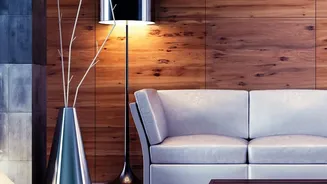
The key to success is selecting the right tool for the job. Not all lamps are created equal, and different tasks require different kinds of light. For a work desk, an adjustable LED lamp is an excellent choice. Look for models where you can change the brightness and even the colour temperature. A cooler, whiter light (around 4000K-5000K) is known to enhance alertness and focus during the day, while a warmer tone (under 3000K) is better for evening hours as it's less disruptive to your sleep cycle. If you have limited desk space, consider a clip-on lamp or a sleek monitor light bar that illuminates your desk without taking up valuable real estate. For a reading nook or a space for reviewing documents away from a screen, a floor lamp with a directional head works wonders. It can be positioned to shine light directly onto your papers without causing glare.
Strategic Placement to Define Your Zone
Once you have your light, where you put it is crucial. The goal is to illuminate your task area while avoiding shadows and screen glare. If you are right-handed, place your desk lamp on the left side of your desk, and vice-versa if you are left-handed. This prevents your hand from casting a shadow over your work as you write. Position the light source to the side of your computer screen, not behind it or directly in front of it, to minimize distracting reflections. By using focused light, you create a visual hierarchy in the room, drawing a clear line between your workspace and the surrounding living area. This use of layered lighting—combining your general ambient light with focused task light—is what gives a multi-functional space its structure and versatility.
Think Beyond the Desk
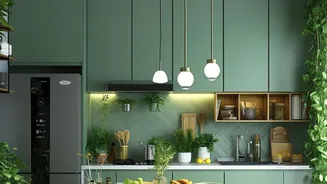
This principle isn't just for traditional office setups. In many Indian homes, the dining table or a kitchen counter often doubles as a workspace. Here, task lighting is just as important. A stylish pendant light hung low over a dining table can provide excellent illumination for both meals and spreadsheets. Similarly, installing simple LED strips under kitchen cabinets can transform a dim food-prep area into a bright, functional spot for a laptop. The goal is to identify where tasks happen and to bring dedicated, sufficient light to that specific zone, making it more comfortable and efficient, no matter its primary purpose.