

The Robotic Vanguard
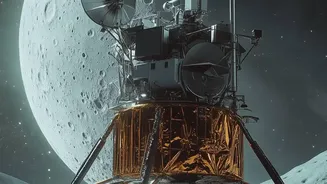
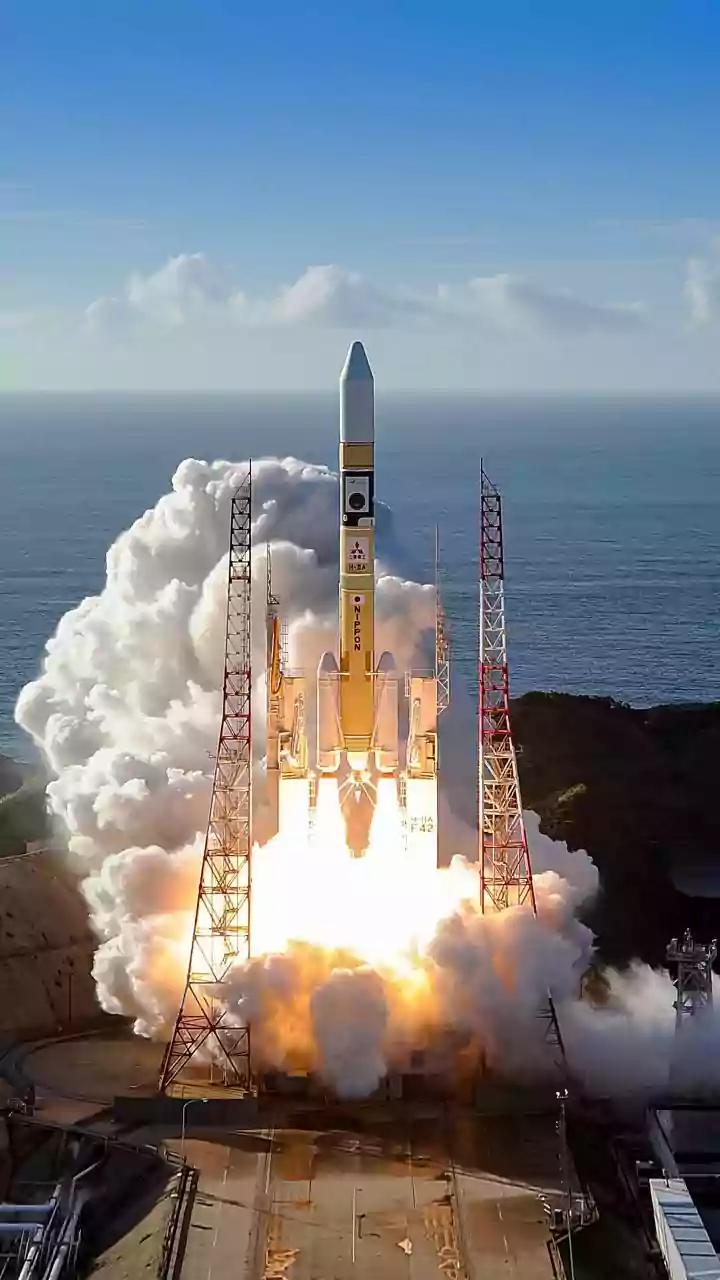
Before astronauts make the journey back to the Moon, a fleet of autonomous robots will serve as the advance team. The core idea is to move beyond the 'flags and footprints' model of the Apollo era and establish a permanent, sustainable base of operations.
Doing so requires significant infrastructure: landing pads, habitats, radiation shields, and power systems. Launching all these materials from Earth is incredibly expensive and logistically complex. The solution is to send robots first, tasking them with preparing the site and using local materials to build what's needed, a practice called in-situ resource utilization, or ISRU. This robotic groundwork is designed to reduce risks for human crews and allow them to focus on scientific research from the moment they arrive.
Constructing a Lunar Foothold
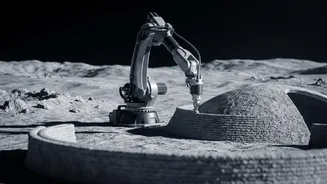
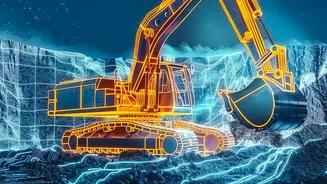
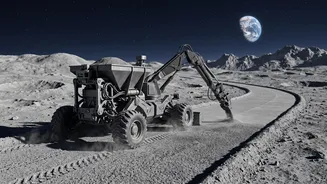
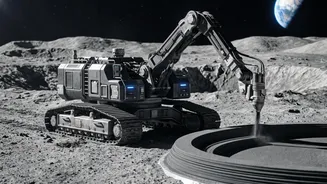
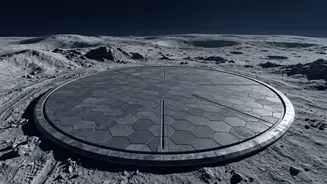
So, what will these robots actually do? Their construction duties are extensive. A key priority is building landing pads. Without them, the plume of dust and debris kicked up by a descending spacecraft can travel at high speeds, damaging nearby equipment and structures. Robots will also be tasked with assembling habitats and erecting radiation shelters. NASA projects like the Moon to Mars Planetary Autonomous Construction Technology (MMPACT) are exploring how to turn lunar regolith—the Moon's soil—into a form of concrete. Companies like ICON, known for its 3D-printing construction on Earth, are adapting their technology to use this regolith to print structures layer by layer. These missions will likely unfold in stages, starting with simple landing pads and roads before moving on to more complex habitats.
Living Off the Lunar Land
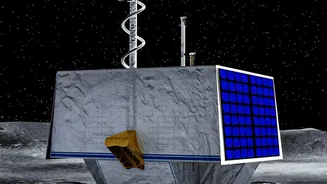
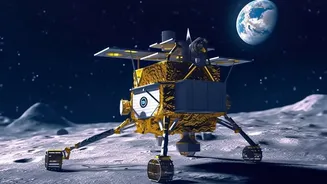
One of the most critical tasks for these robotic forerunners is to demonstrate ISRU. This means finding and extracting valuable resources from the Moon itself to reduce dependence on Earth. The most important of these is water ice, which is believed to exist in permanently shadowed craters near the lunar poles. If robots can successfully mine this ice, it can be converted into breathable air for astronauts, drinking water, and even rocket propellant for return journeys or missions deeper into space. Other robotic missions will focus on extracting oxygen and metals from the lunar regolith. Both NASA and the European Space Agency (ESA) are planning ISRU demonstration missions to prove these technologies are viable before incorporating them into the larger Artemis architecture.
The Robots on the Job
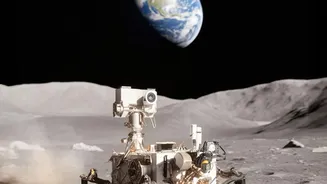
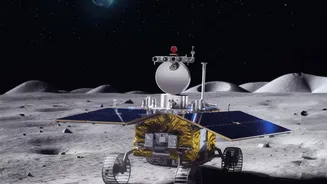
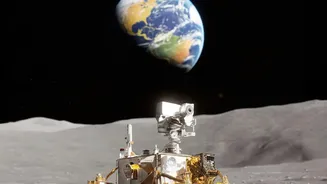
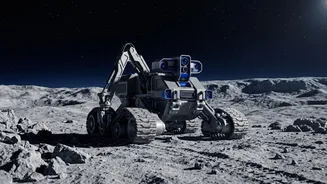
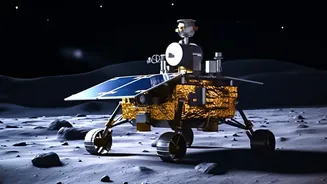
Several key projects are already underway. NASA is developing humanoid robots, descendants of its Valkyrie and Robonaut 2 systems, designed to perform dexterous tasks like maintenance and repairs that might be dangerous for astronauts. Other initiatives focus on swarms of smaller, more specialized robots. The Cooperative Autonomous Distributed Robotic Exploration (CADRE) project, for example, involves a trio of small rovers that will explore and map the terrain together. Meanwhile, the ARMADAS project is developing a system where small robotic units can autonomously assemble larger structures, from solar arrays to habitats. These robots will need to be highly autonomous, as the communication delay between Earth and the Moon makes real-time control impractical for complex construction tasks.
Overcoming a Hostile Environment
Building on the Moon is no simple task. The robots must operate in an extreme environment, contending with abrasive lunar dust that can clog mechanisms, wild temperature swings, and intense solar radiation. Furthermore, the Moon lacks a GPS-like system, meaning robots must navigate autonomously and precisely without the satellite positioning systems we rely on on Earth. Engineers are testing these systems in simulated lunar environments on Earth, such as NASA's iMETRO facility at Johnson Space Center, to work out the kinks before deploying them hundreds of thousands of miles away. Each small mission is a stepping stone, designed to prove one capability at a time before combining them for large-scale construction.