
From Occasion Wear to Everyday Statements
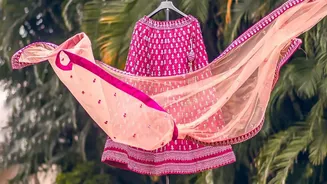
Indian embroidery, with its rich history and regional diversity, has long been synonymous with grandeur. Think of the heavy, metallic splendour of Zardozi on a bridal lehenga, or the dense threadwork of a Phulkari dupatta saved for a festival. For decades,
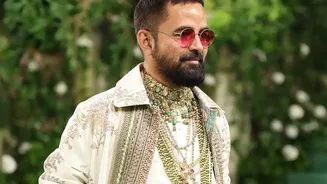
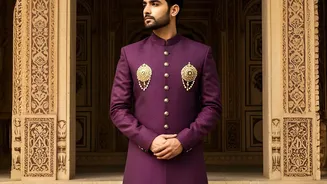
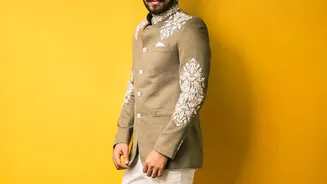
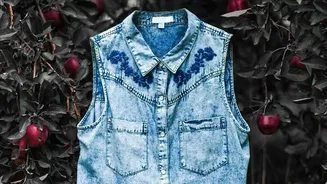
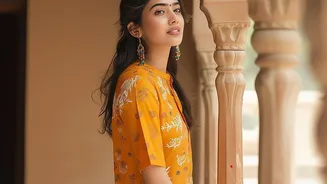
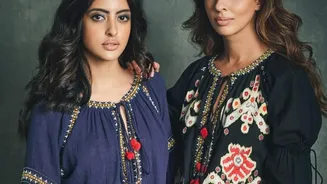
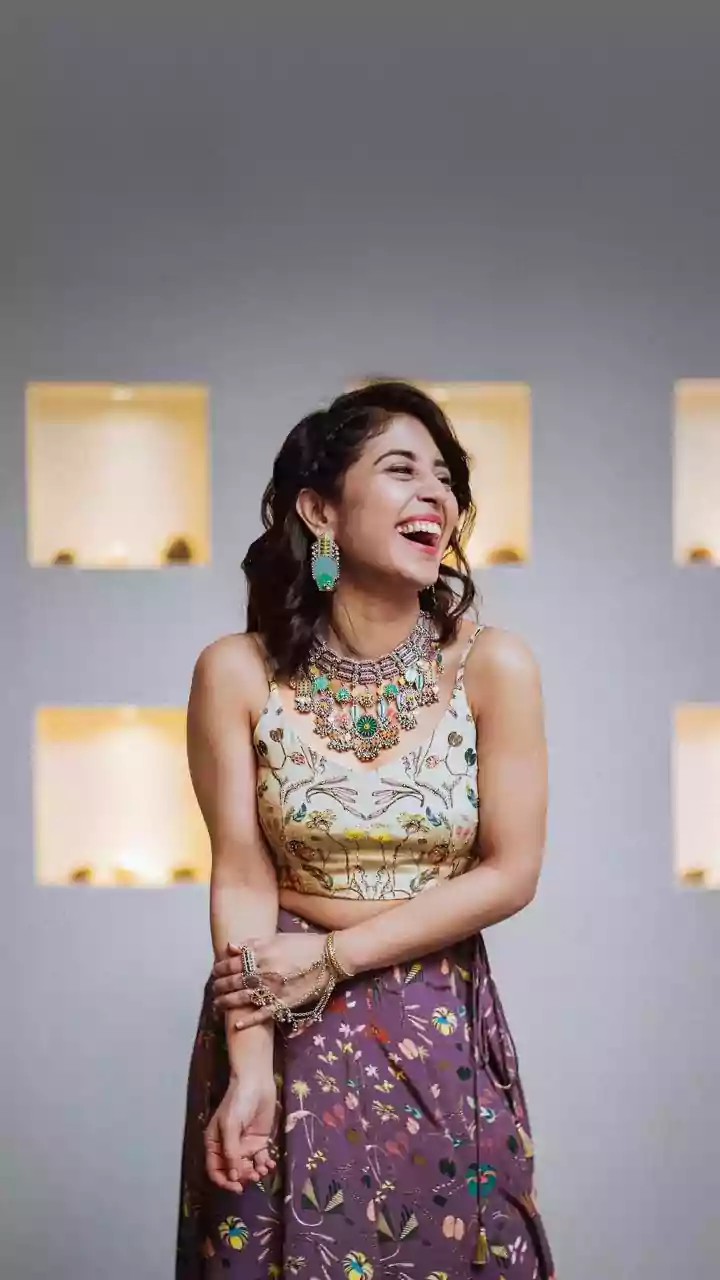
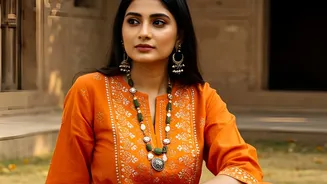
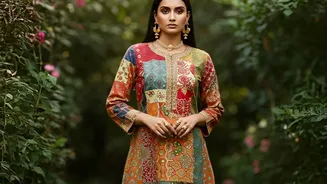
these crafts were symbols of celebration, too precious for daily use. But a significant shift is underway. Designers are now reimagining these time-honoured techniques for the modern wardrobe. The driving force is a new generation of consumers who want to connect with their heritage in a way that feels authentic to their contemporary lives. They seek clothing that tells a story, moving beyond the repetitive cycle of fast fashion. This has prompted designers to build on basics like white shirts, denim pants, and cotton trousers with subtle, yet impactful, hand embroidery.
Chikankari’s Cool, Casual Makeover
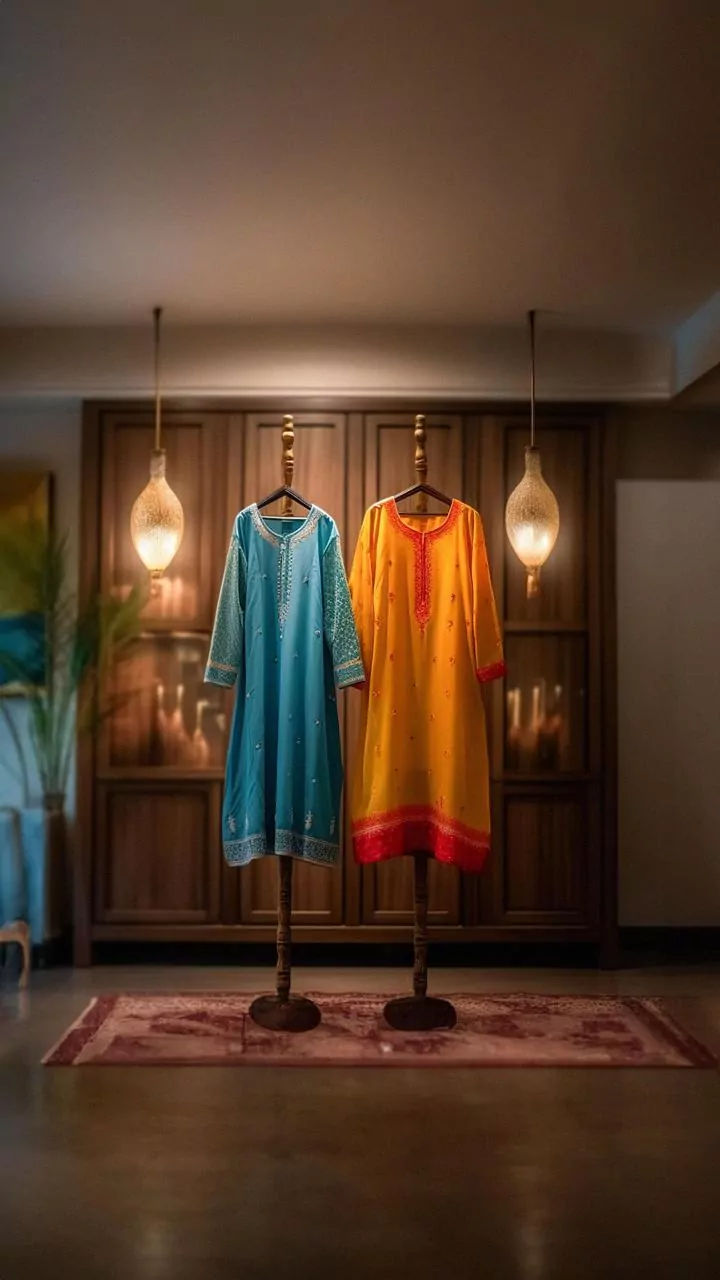
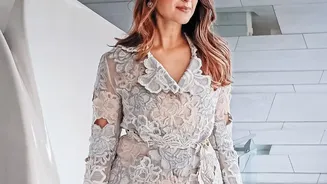
Perhaps no embroidery has transitioned to everyday wear more successfully than Chikankari. Originating from Lucknow, this delicate white-on-white needlework was traditionally done on muslin. Today, designers are moving it far beyond the classic kurta. Labels like House of Kotwara and others are applying its subtle, textured beauty to everything from tailored blouses and flowing dresses to scarves and even handbags. The evolution includes experimenting with coloured threads on different fabrics, making the craft more versatile. This modern interpretation allows the romantic, feminine appeal of Chikankari to be enjoyed not just on special occasions, but as part of a chic office outfit or a relaxed weekend look.
Rethinking Royal Crafts Like Zardozi
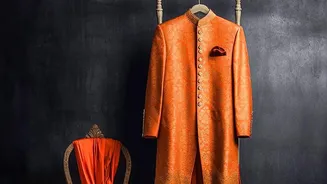
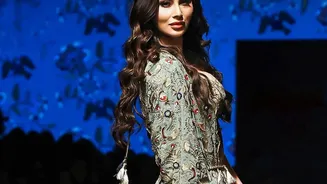
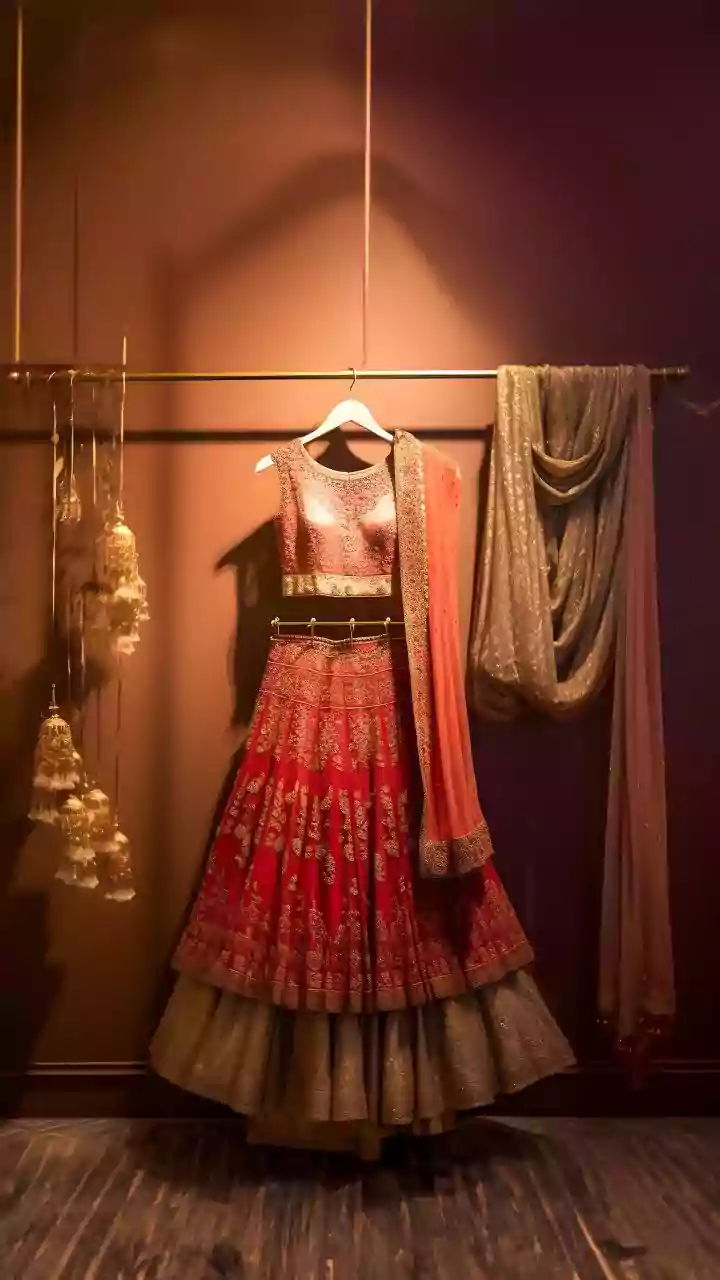
Even Zardozi, the opulent embroidery of Mughal courts, is being adapted for daily life. Historically crafted with real gold and silver threads, its richness often confined it to ceremonial attire. But contemporary designers are proving that luxury can be subtle. Instead of dense, all-over patterns, they are using minimal Zardozi work as a highlight on collars, cuffs, blazers, and even belts. This lighter touch adds a hint of glamour to lightweight fabrics like organza and chiffon, making it suitable for evening parties without the weight of a full bridal ensemble. Designers like Sabyasachi Mukherjee and Anita Dongre have been pioneers in incorporating such traditional crafts into more contemporary silhouettes, making heritage relevant for a global audience.
A Story in Every Stitch
This trend is about more than just aesthetics; it's a conscious choice. By embracing hand-embroidered clothing, consumers are supporting the preservation of centuries-old art forms and the artisan communities that depend on them. Brands like Péro and Okhai have built their entire philosophy around this, working with craft clusters across the country to create pieces that are both beautiful and meaningful. In a world dominated by mass production, an embroidered garment stands out. It carries the story of its craft, whether it's the running stitch of Bengal's Kantha or the mirror work of Kutch. It is a stand against disposable trends, offering instead a piece of wearable art that is meant to be cherished for years.