





The Scale of Post-Harvest Waste
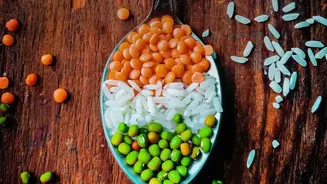
Every year, India loses a staggering amount of food grains after they have been harvested. Estimates suggest that post-harvest losses, particularly for staples like cereals and pulses, amount to thousands of crores annually. For a country working to ensure
food security for its vast population, this is a critical issue. The primary culprits behind this wastage are moisture, pests, and fungi. After the harvest, grains often retain high moisture content, creating the perfect breeding ground for mould and insects. This not only reduces the quantity of sellable grain but also severely degrades its quality, sometimes making it unsafe for consumption.
Traditional Storage and Its Hidden Dangers
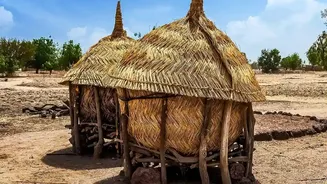
For generations, smallholder farmers have relied on traditional storage methods like jute bags, mud bins, or bamboo structures. While inexpensive and built from local materials, these methods offer limited protection. They are often not airtight, allowing moisture and pests to creep in, leading to significant spoilage. To combat this, many farmers resort to using chemical pesticides and fumigants. While effective in killing pests, these chemicals can leave harmful residues on the grain, posing health risks to consumers and the farmers who handle them. This dependency on chemicals presents a difficult trade-off between preventing spoilage and ensuring food safety.
Harnessing the Sun for Safer Grains
Solar-powered granaries provide a modern, effective, and safe alternative. The core technology is often a solar dryer, which tackles the root cause of spoilage: moisture. These systems use solar collectors to heat air and then circulate it through the freshly harvested grain. This process efficiently and uniformly reduces the moisture content to a safe level, typically below 12%, which naturally inhibits the growth of mould and insects. Unlike open-sun drying, this occurs in a clean, enclosed environment, protecting the grain from dust, rain, and pests. The 'granary' aspect might also include solar-powered ventilation to maintain a stable, cool, and dry environment for long-term storage.
Economic and Health Benefits for Farmers
The impact of this technology is transformative. By drastically reducing spoilage, farmers can sell a larger portion of their harvest, directly increasing their income. Furthermore, with safe and effective storage, they are no longer forced to sell their produce immediately after harvest when market prices are at their lowest due to a supply glut. They can wait for prices to improve, giving them greater control over their financial destiny. Perhaps most importantly, by eliminating the need for chemical pesticides, solar-powered systems ensure the grain is safer for their families and for consumers, all while protecting the environment. The improved quality of the grain can also fetch a premium price in the market.
Challenges and the Path Forward
Despite the clear advantages, widespread adoption faces a significant hurdle: the upfront cost of the technology. For many smallholder farmers, investing in a solar dryer or granary is a major financial decision. To overcome this, various models are being explored, including community-owned dryers that multiple farmers can share. Government support is also crucial. Schemes like the Agriculture Infrastructure Fund and subsidies for post-harvest management are designed to help make such technologies more accessible. As these systems become more affordable and available, they hold the potential to secure farmer livelihoods and strengthen India’s food supply chain from the ground up.