


1. White Rice & Wheat for Millets
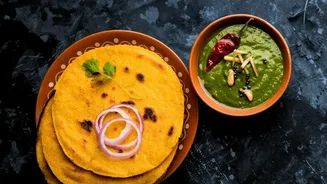
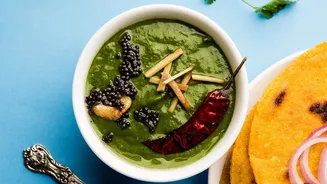
The comeback of ancient grains like jowar, bajra, and ragi is one of the biggest shifts in the Indian diet. Once seen as traditional or rural staples, millets are now celebrated for their high fibre, low glycemic index, and resilience to climate change.
This swap isn't about completely abandoning rice and wheat, but about diversification. Consumers are actively choosing millet-based breads, dosa mixes, and breakfast cereals, driven by a desire for better blood sugar management and overall metabolic health. The government's promotion of 2023 as the 'National Year of Millets' has also significantly boosted awareness and availability.
2. Sugary Sodas for Probiotic Drinks
The beverage aisle looks very different today. Fizzy, sugar-loaded soft drinks are increasingly being pushed aside for functional beverages that promise tangible health benefits. Kombucha, kefir, and traditional fermented drinks like Kanji are gaining popularity, especially in urban areas. The new priority here is gut health. Consumers are more aware of the connection between a healthy gut microbiome, digestion, and immunity, making these naturally fermented, low-sugar drinks an attractive choice.
3. Packaged Juices for Cold-Pressed Juices
For years, a small carton of packaged juice was seen as a healthy on-the-go option. That perception is changing. Consumers now understand that many packaged juices are heat-pasteurised, which can diminish nutrient content, and often contain added sugars and preservatives. The swap is toward cold-pressed juices, which are extracted without heat, thus preserving more vitamins, enzymes, and natural flavour. This reflects a priority for 'clean labels' and getting the maximum nutritional benefit from what they consume, even if it comes at a premium price.
4. Fried Namkeen for Roasted Makhana
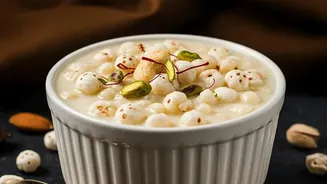
The quintessential Indian tea-time snack is getting a healthy update. Instead of reaching for fried potato chips or bhujia, many are now opting for roasted makhana (fox nuts). Makhana has successfully transitioned from a traditional fasting food to a mainstream, all-day snack. Available in a variety of flavours, its appeal lies in its satisfying crunch combined with a clean health profile — it's a source of protein and fibre. This swap highlights the growing demand for snacks that are both indulgent and guilt-free.
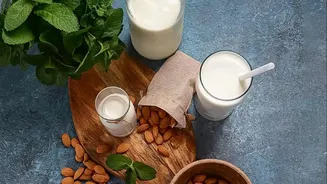
5. Dairy Milk for Plant-Based Milks
While India is the world's largest milk producer, a parallel market for plant-based alternatives is growing rapidly. Milks made from soy, almonds, and oats are no longer a niche product just for vegans. The shift is driven by a combination of factors: rising lactose intolerance, ethical considerations, and a general health consciousness among younger, urban consumers. The availability of these alternatives in cafes and supermarkets has made this swap easier than ever.
6. Refined White Sugar for Natural Sweeteners
The war on white sugar is in full swing. Health-conscious consumers are actively seeking alternatives to sweeten their chai, coffee, and desserts. While traditional options like jaggery and honey remain popular, there's growing interest in plant-based, low-glycemic index sweeteners like stevia and monk fruit. This move is fuelled by a desire to manage calorie intake and reduce the risk of lifestyle diseases like diabetes. The new priority is sweetness without the adverse health impacts of refined sugar.
7. Regular Yoghurt for Greek Yoghurt & High-Protein Dahi
Even a staple like dahi is evolving. The simple swap here is from standard or sweetened flavoured yoghurts to Greek yoghurt or other high-protein versions. The driving force is the massive consumer focus on protein. People are looking for ways to easily incorporate more protein into every meal, and a serving of thick, strained Greek yoghurt for breakfast or as a snack is an easy way to do that, while also avoiding the hidden sugars in many flavoured varieties.
8. Conventional Meats for Plant-Based Meats
Though still a nascent market compared to the West, plant-based meat alternatives are gaining a foothold in India. Brands are offering everything from plant-based sausages to keema made from jackfruit or soy. This swap caters to a complex mix of priorities: health concerns related to red meat, environmental consciousness, and a desire for variety among both vegetarians and non-vegetarians. The market's growth reflects a modern reinterpretation of India's long-standing vegetarian culture.
9. Mass-Produced Cheese for Artisanal Cheese
The cheese board in India is getting more sophisticated. While processed cheese slices still dominate, there is a burgeoning appreciation for artisanal cheese. Consumers are exploring locally made varieties of feta, mozzarella, and gouda, crafted by small-batch producers. This reflects a priority for quality, unique flavours, and supporting local entrepreneurs. It's a move away from mass-produced uniformity toward products with a story and a distinct character.
10. Imported 'Superfoods' for Local Equivalents
For a while, health trends were dominated by imported 'superfoods' like quinoa and kale. A more recent, sensible shift sees consumers rediscovering the nutritional power of local Indian ingredients. Instead of quinoa, people are turning to amaranth (rajgira). Instead of chia seeds, they are using basil seeds (sabja). This swap is driven by a desire for sustainability, affordability, and a renewed pride in traditional Indian food wisdom. It reflects the understanding that nutrition doesn't have to be imported.