


Understanding the Graded Response Action Plan (GRAP)
The Graded Response Action Plan, or GRAP, is the official set of emergency measures that activate in the Delhi-NCR region as air quality deteriorates. Overseen by the Commission for Air Quality Management (CAQM), this framework is not arbitrary; it's
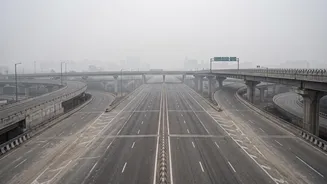
a structured, four-stage system designed to combat pollution from sources like vehicles, industry, and construction. For motorists, GRAP is the system that determines whether your vehicle will be allowed on NCR roads on any given day. The rules are tied directly to the Air Quality Index (AQI), a metric that measures the concentration of harmful pollutants in the air. As the AQI worsens, the GRAP stage escalates, and restrictions become progressively tougher.
The Key Hurdle: Stage III and IV Vehicle Bans
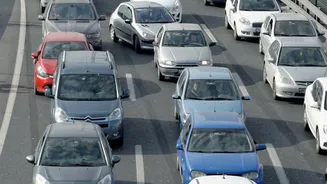
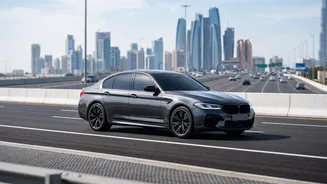
For vehicle owners, the most critical stages to watch are GRAP Stage III and Stage IV. These are typically invoked when the air quality is classified as 'Severe' (AQI 401-450) or 'Severe+' (AQI above 450). Under a revised plan effective for the 2026 season, the restrictions are stringent. Once Stage III is in effect, the plying of BS-III petrol and BS-IV diesel light motor vehicles (four-wheelers) is banned. This rule applies not just in Delhi but also in the high-vehicle-density NCR districts of Gurugram, Faridabad, Ghaziabad, Gautam Buddh Nagar, and Sonipat. This is the crucial point for outside motorists: the ban is based on the vehicle's emission standard, not its place of registration. If your car is a BS-IV diesel model registered in Punjab or Rajasthan, you cannot drive it in these areas when GRAP Stage III is active.
What About Commercial and Goods Vehicles?
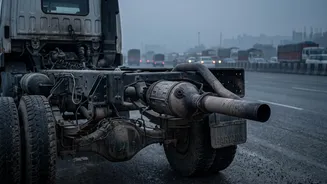
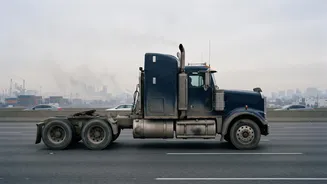
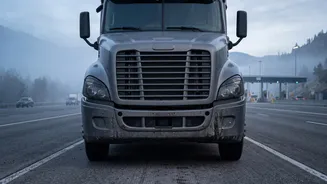
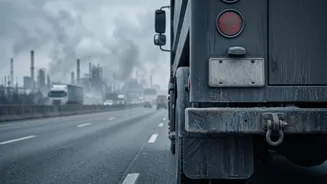
The rules are even stricter for commercial transport. Under Stage I, all inter-state buses entering the NCR must be electric, CNG, or BS-VI diesel compliant. Previously, this was a Stage II measure. This change targets a major source of pollution early on. Furthermore, the CAQM has removed exemptions for goods vehicles carrying essential commodities in Stages III and IV. This means that during a 'Severe' pollution episode (Stage III), diesel-operated BS-IV and below goods vehicles registered outside Delhi are explicitly restricted from entering the capital. During 'Severe+' (Stage IV), the ban extends to all BS-IV diesel trucks entering Delhi. These formalised rules mean that logistics and supply chains must plan for cleaner vehicle alternatives well in advance.
Your Strategy: Check Before You Travel
Navigating these rules requires proactive planning, not guesswork. Simply checking the daily AQI is not enough; you must check which GRAP stage has been officially invoked by the CAQM. 1. Know Your Vehicle: The first step is to identify your car's Bharat Stage (BS) emission standard. This is listed on your vehicle's registration certificate. BS-VI vehicles, both petrol and diesel, are currently exempt from these GRAP restrictions, as are all-electric and CNG vehicles. 2. Monitor Official Announcements: Before starting your journey, check for the current GRAP status. Official announcements are made by the CAQM and widely reported. The 'SAMEER' app is a reliable source for air quality data. 3. Plan Alternative Transit: If your vehicle is non-compliant and a high GRAP stage is likely, consider alternatives. The Metro network offers extensive connectivity across the NCR. You can use 'park and ride' facilities at various metro stations on the region's periphery. Inter-state bus services (ISBT) are another option, provided you confirm the buses themselves are compliant with the entry norms.
Enforcement is Not Optional
Authorities have become increasingly strict with enforcement. Non-compliant vehicles may be stopped at border entry points and face significant fines, with penalties reportedly reaching up to ₹20,000, or even impoundment. Visible checks for polluting vehicles and valid Pollution Under Control (PUC) certificates are intensified even under Stage I. While a valid PUC is mandatory, it does not grant an exemption from the BS-norm-based bans under GRAP Stage III and IV. The message is clear: the rules apply to everyone, and the financial and logistical pain of being turned away or fined is a real possibility for unprepared motorists.