





Understanding Karat: The Measure of Purity
First, let's decode the 'K'. Karat (K) is the unit used to measure the purity of gold. The scale runs from 0 to 24. Therefore, 24K gold represents the purest form of the metal available. Think of it as a 24-part scale; the number indicates how many parts
out of 24 are pure gold. For example, 18K gold means it contains 18 parts gold and 6 parts other metals. This system helps consumers understand the exact gold content in their purchase, which directly influences its value, colour, and durability.
The Gold Standard: All About 24K
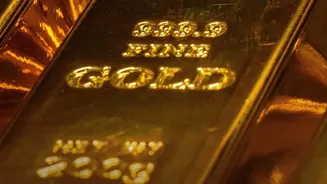
24K gold is considered pure gold, with a purity of 99.9%. It contains 24 out of 24 parts gold, with no other metals mixed in. This purity gives it a distinct, bright yellow colour and the highest value. However, this purity also makes it very soft and malleable. Because 24K gold can bend and scratch easily, it is generally not recommended for making traditional jewellery, especially items intended for daily wear. Instead, its primary use in India is for investment purposes, typically in the form of gold coins and bars. It is also used in medical devices and electronics.
The Jeweller's Choice: Why 22K Works for Ornaments
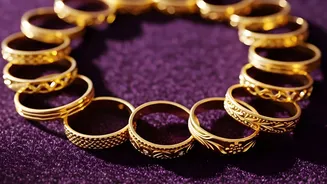
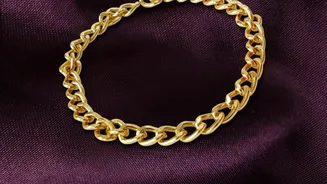
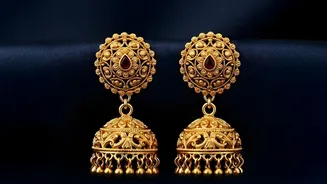
22K gold, also known as '916 gold', is the most popular choice for jewellery in India. It consists of 22 parts gold and 2 parts of other metals, meaning it is 91.67% pure gold. The remaining 8.33% is a mix of alloys like silver, copper, and zinc. These added metals make the gold harder and more durable, which is essential for crafting jewellery that can withstand daily wear and tear. The addition of alloys allows jewellers to create intricate and detailed designs that would not hold their shape in softer 24K gold. This blend strikes a perfect balance between high purity and practical strength.
Durability vs. Purity: The Core Trade-Off
The choice between 22K and 24K gold boils down to a trade-off between durability and purity. If your priority is creating a lasting piece of jewellery, 22K is the superior choice. Its alloyed composition makes it resistant to scratches and dents from everyday use. On the other hand, if you are buying gold purely as an investment to be stored away, the higher purity of 24K gold makes it more valuable and the preferred option. 24K gold items are essentially valued for their gold content alone, while 22K jewellery carries additional value from its craftsmanship and design.
Price, Making Charges, and Resale Value
Naturally, 24K gold is more expensive per gram than 22K gold due to its higher purity. However, the final price of jewellery is more complex. When you buy 22K ornaments, the cost includes 'making charges', which cover the labour and craftsmanship involved. These charges can range from 5% to over 25% of the gold's value, depending on the design's complexity. It's important to remember that these making charges are typically not recovered when you sell the jewellery. For resale, the value is determined by the weight and purity of the gold at the prevailing market rate. Since 24K gold has a higher intrinsic value and minimal making charges (for coins and bars), it often yields better returns as a pure investment.
Ensuring Authenticity: The Role of BIS Hallmark
Regardless of the karat you choose, it is crucial for Indian consumers to look for the Bureau of Indian Standards (BIS) Hallmark. This is a certification system that guarantees the purity of the gold you are purchasing. As of June 2021, hallmarking is mandatory for 14K, 18K, and 22K gold jewellery sold in India. A hallmarked piece will have the BIS logo, the karat purity (like 22K916), and a unique 6-digit alphanumeric code known as a Hallmark Unique Identification (HUID) number. This mark is your assurance against being sold lower-purity gold.