




A Perfect Pair for Small Spaces
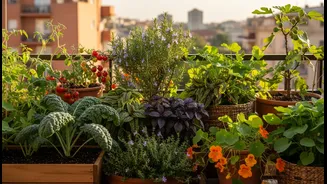
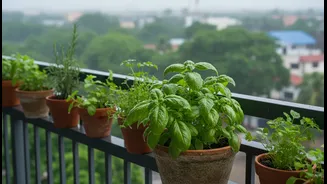
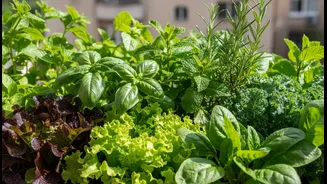
Urban living often means making the most of every square inch, and this is where the partnership between herbs and leafy greens truly shines. Many popular Indian herbs like mint, coriander (dhania), and basil grow with a bushy or upright habit. Leafy
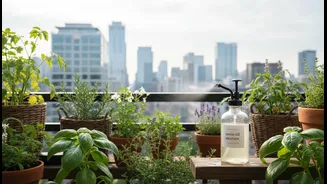
greens such as spinach (palak), fenugreek (methi), and lettuce tend to grow closer to the soil. By planting them in the same large container or in adjacent pots, you are practicing a form of vertical layering. The taller herbs can coexist with the lower-profile greens without competing for sunlight or physical space. This strategy allows you to double your harvest potential from the same footprint, turning a crowded balcony into an efficient, edible oasis.
The Ultimate Kitchen Convenience
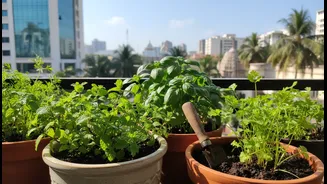
Imagine snipping fresh mint for your evening chai, grabbing a handful of coriander to garnish your dal, and harvesting crisp spinach for a quick sabzi—all from your own balcony. Growing herbs and greens together creates a one-stop shop for daily culinary needs. Many Indian dishes rely on a fresh, aromatic base, and having these ingredients at your fingertips elevates flavour instantly. Aromatic herbs like tulsi, mint, curry leaves, and lemongrass are staples in Indian households, known for both their taste and wellness properties. When paired with fast-growing greens like amaranth or spinach, which can be ready to harvest in as little as 30-40 days, your kitchen is never more than a few steps away from freshness.
Natural Pest Protection
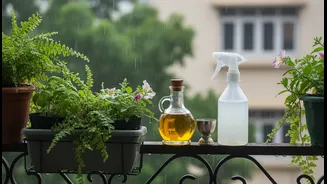
One of the most compelling reasons to grow herbs alongside leafy greens is for natural pest control, a practice known as companion planting. Many herbs have strong, aromatic oils that repel common garden pests. For instance, the potent scent of mint can deter aphids and flea beetles that might otherwise munch on your tender spinach leaves. Basil is known to repel thrips and flies, making it a great neighbour for tomatoes and even some greens. Chives can help deter aphids from lettuce. By interspersing aromatic herbs among your greens, you create a confusing and unattractive environment for pests, reducing the need for chemical interventions and ensuring your harvest is truly clean and organic.
Complementary Care and Growth
While they may seem different, many popular herbs and leafy greens share similar basic requirements, making them easy to care for in a balcony setting. Most greens, like spinach and lettuce, appreciate consistent moisture and can benefit from partial shade, especially during the harsh afternoon sun in India. Taller herbs or even a tomato plant can provide this necessary shade, preventing the greens from 'bolting' (flowering prematurely) in the heat. Herbs like mint and parsley also prefer moist soil and can thrive in similar conditions. Mediterranean herbs like rosemary or thyme prefer drier conditions and full sun, so it's wise to group plants with similar needs together. A 'salad' pot could contain lettuce, spinach, and chives, while a 'Mediterranean' pot holds rosemary and oregano.
Getting Started: A Simple Plan
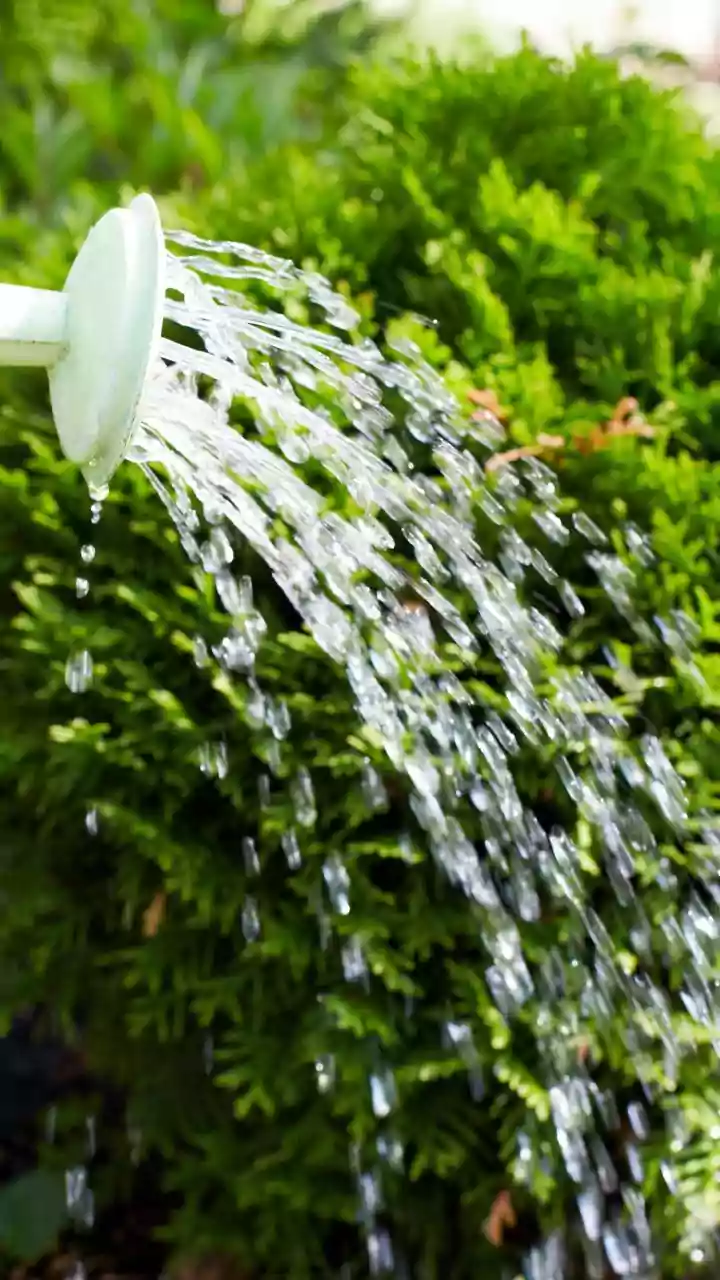
Starting your combined garden is simple. Choose a container that is at least 8-10 inches deep with good drainage holes. Using a quality potting mix instead of heavy garden soil is crucial for container success, as it prevents compaction and waterlogging. For beginners in India, a fantastic starting combination is mint and spinach. Mint grows vigorously (it's best to keep it in its own pot to control its spread) and provides pest-repelling benefits, while spinach grows quickly and provides a nutritious harvest. Another excellent pairing is coriander (dhania) and fenugreek (methi). Both are staples in Indian cooking, grow well in similar conditions, and can be harvested multiple times. Remember to water regularly, especially during hot weather, and provide about 4-6 hours of sunlight.