





Why Your Gut is Vulnerable in Monsoon
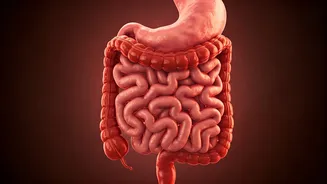
The rainy season, while beautiful, is a challenging time for digestive health. The combination of high humidity and moisture creates an ideal breeding ground for bacteria and viruses. [8, 14, 20] This increases the risk of food and water contamination,
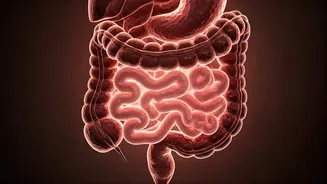
leading to a spike in issues like gastroenteritis, food poisoning, and diarrhoea. [14, 16] Moreover, the digestive system naturally tends to slow down in humid weather, making it harder to process heavy or oily foods and leading to common complaints like bloating, gas, and acidity. [8, 17] This seasonal shift can disrupt your gut microbiome, the delicate balance of good bacteria essential for digestion and immunity. [2, 22]
Foods to Embrace for a Happy Gut
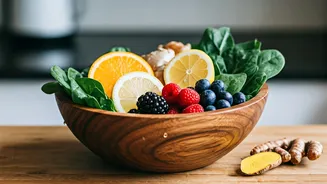
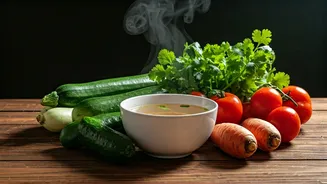
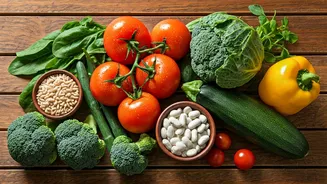
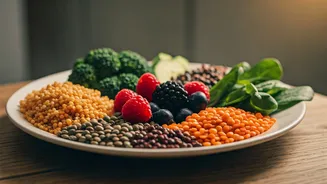
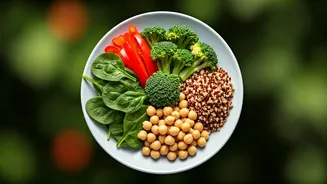
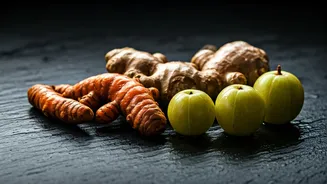
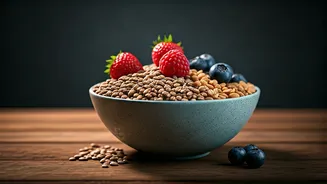
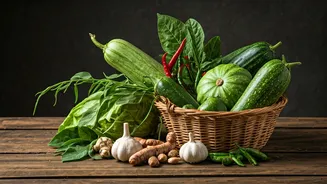
To fortify your digestive system, focus on light, warm, and freshly prepared meals. [3] Opt for easily digestible vegetables like bottle gourd (lauki), bitter gourd (karela), and ridge gourd (tinda). [5, 21] Steaming or boiling vegetables is preferable to eating them raw, as this eliminates harmful microbes. [8, 11] Incorporate immune-boosting spices like turmeric, ginger, and garlic into your cooking; they have natural anti-inflammatory and antimicrobial properties that support digestion. [3, 5, 13] Light grains such as oats, brown rice, and barley are excellent choices, providing fibre without burdening the stomach. [5, 9] Seasonal fruits like jamun, pears, and pomegranates are also beneficial. [5, 11]
Power Up with Probiotics
Probiotics, or 'good bacteria', are your gut's best friends during the monsoon. They help restore the natural balance of your gut flora, which enhances digestion and boosts immunity against infections. [4, 22] Thankfully, many traditional Indian foods are excellent natural sources of probiotics. Curd (yogurt) and buttermilk (chaas) are two of the best; they are soothing, aid digestion, and can help prevent bloating. [2, 12, 15] Fermented foods like idli, dosa, and dhokla are also fantastic options that encourage good gut bacteria. [15, 22] A glass of buttermilk after a meal can be particularly effective in flushing toxins and reducing acidity. [12]
What to Limit or Avoid This Season
Being mindful of what you don't eat is just as crucial. It's best to avoid street food, especially items like pani puri, pre-cut fruits, and raw chutneys, as the risk of contamination from unclean water is very high. [6, 9, 17] Deep-fried and oily snacks, while tempting, are hard to digest and can lead to bloating and indigestion. [3, 19] Raw salads and leafy green vegetables should also be treated with caution; the moisture and mud on them can harbor germs. If you do consume them, ensure they are washed thoroughly and preferably cooked. [7, 19] Seafood is another category to be wary of, as the monsoon is a breeding season for fish, which can increase the risk of contamination and spoilage. [6, 21]
Smart Hydration and Lifestyle Habits
Proper hydration is key to flushing out toxins and aiding digestion, but the source of your water matters immensely. Always drink boiled, filtered, or purified water to avoid waterborne diseases like typhoid and cholera. [9, 14, 20] Avoid ice from unknown sources and be cautious with carbonated drinks, which can reduce digestive enzyme activity and cause bloating. [6] Instead, opt for warm herbal teas with ginger, tulsi, or lemon, which soothe the digestive system and boost immunity. [3] Simple hygiene practices, like washing your hands thoroughly before every meal, also play a vital role in preventing the ingestion of harmful germs. [9, 18]