






The Right Wardrobe: Fabrics and Fits
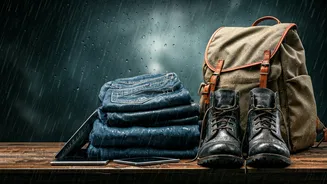
During the monsoon, your choice of fabric is crucial. Heavy materials like denim and pure cotton absorb water and take ages to dry, leaving you feeling damp and uncomfortable. Instead, opt for lightweight, quick-drying synthetic fabrics like polyester,
nylon, and rayon. Blends are also a great choice; a cotton-polyester mix gives you the comfort of cotton with the quick-dry benefits of a synthetic. Georgette and crepe are excellent options as they don't cling to the body in high humidity and dry quickly. When it comes to fit, choose silhouettes that are breezy and don't stick to your skin, like A-line cuts or relaxed-fit kurtis. Shorter hemlines—think cropped trousers, shorts, or knee-length dresses—are practical for navigating puddles and muddy streets. Darker colours or bold prints are also a smart choice as they help camouflage any stray splashes of mud or water.
Footwear That Fights Back
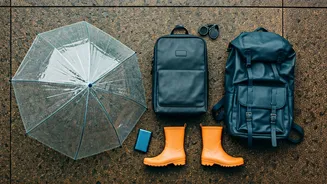
There's nothing more unpleasant than soggy shoes. Leather and canvas footwear are a definite no-go during the monsoon, as they are easily ruined by water and can lead to fungal infections. Your best bet is waterproof footwear with a good grip to handle slippery surfaces. Rubber sandals, floaters, and PVC flats are ideal choices for daily commutes. For those who prefer closed shoes, high-quality rubber boots are a worthy investment. It's also wise to keep a pair of flip-flops handy for indoor use. To combat the effects of dampness, using an antifungal powder on your feet can help keep them dry and healthy.
Your On-the-Go Health & Hygiene Kit
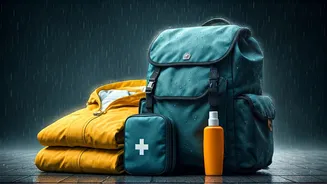
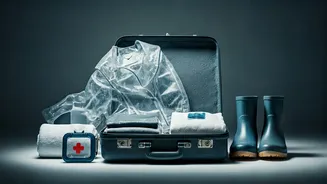
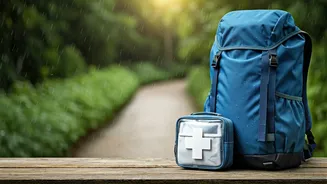
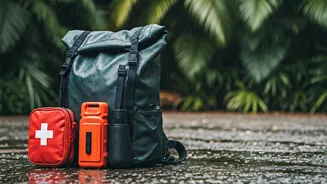
The monsoon brings an increased risk of infections. A compact health kit is a non-negotiable part of your bag. Mosquito-borne illnesses like dengue and malaria are more prevalent, so a strong insect repellent is essential. High humidity can cause germs to multiply, making hand sanitizer or antibacterial wipes a must-have for when you can't wash your hands. Also include basics like waterproof bandages and antiseptic wipes for any minor cuts or scrapes. It's a good idea to keep any personal medications in a waterproof pouch to protect them from moisture. Remember to avoid water and food from roadside stalls, as the risk of contamination is higher during this season.
Tech Armour: Protecting Your Gadgets
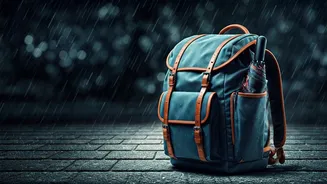
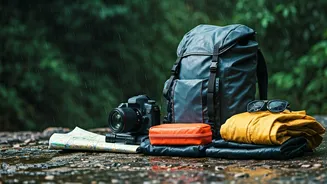
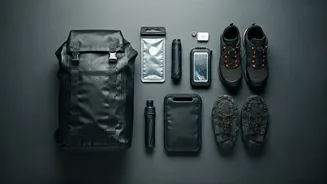
Water and electronics don't mix, and a sudden downpour can be disastrous for your expensive gadgets. The simplest solution is to use waterproof pouches or Ziploc bags for your phone, wallet, and other small electronics. These transparent cases protect your devices while often still allowing touchscreen access. Investing in a good waterproof backpack or a rain cover for your existing bag provides an essential layer of protection for laptops and tablets. Power cuts can be more frequent during the monsoon, so carrying a fully charged power bank is a smart move to ensure your devices stay powered. Some power banks are even designed to be water-resistant for extra peace of mind.
Essential Accessories Beyond the Obvious
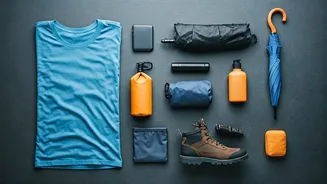
While an umbrella is the most obvious monsoon accessory, it pays to invest in a sturdy, wind-resistant model that won't give up on you in a heavy gust. A lightweight, high-quality raincoat or poncho is also a must-have, offering hands-free protection that covers both you and your backpack. Another incredibly useful item is a quick-drying microfiber towel. It’s compact, lightweight, and far more practical than a standard cotton towel for drying off on the go. Finally, consider carrying a small flashlight, as heavy rains can sometimes lead to unexpected power outages, making it useful for navigating in the dark.