







What is Sorghum?
Sorghum is a powerhouse cereal grain that has been cultivated for thousands of years, particularly in Africa and Asia. In India, it's a familiar staple commonly called jowar. While it's one of the top five most-produced cereal crops globally, much of its
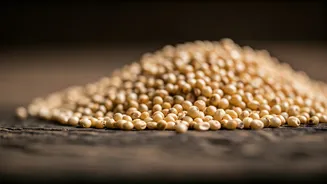
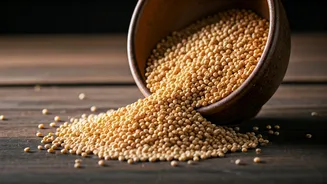
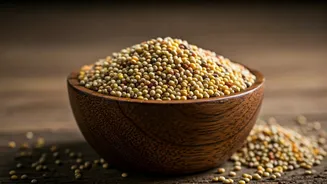
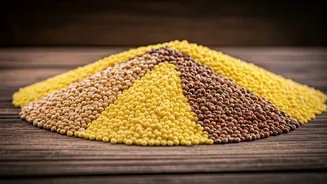
production in countries like the U.S. has traditionally been for animal feed. However, its impressive nutritional profile and versatility are now bringing it to the forefront of human nutrition. The grains are typically small and round, and while they are often white or pale yellow, they also come in red, brown, and black varieties, each packed with unique antioxidants.
The Nutritional Power Behind Balance
The feeling of a “balanced” breakfast comes from sustained energy and a feeling of fullness, which is exactly what sorghum provides. It's rich in complex carbohydrates and is an excellent source of dietary fibre, with about 7 grams per half-cup serving. This fibre helps slow digestion, which keeps you feeling full longer and aids in weight management. Sorghum is also a fantastic source of plant-based protein, providing nearly as much as quinoa. Furthermore, it’s loaded with essential minerals like iron, magnesium, potassium, phosphorus, and zinc, along with a host of B vitamins which are crucial for converting food into energy.
Sustained Energy and Blood Sugar
One of sorghum's key benefits is its impact on blood sugar levels. Thanks to its complex starches and high fibre content, it is digested more slowly than many other refined grains. This leads to a more gradual release of glucose into the bloodstream, helping to prevent the sharp spikes and subsequent crashes in energy that can leave you feeling tired and hungry mid-morning. Studies have shown that consuming sorghum can help suppress post-meal blood glucose spikes. While its glycemic index (GI) is generally classified as moderate to high depending on the variety and preparation, its fibre helps mitigate the overall impact.
A Gluten-Free Champion
For individuals with celiac disease or gluten sensitivity, sorghum is a safe and nutritious alternative to wheat-based breakfasts. It is naturally gluten-free, making it an excellent choice for a wider range of dietary needs. Its flour can be used to make everything from pancakes and muffins to traditional Indian rotis and dosas, opening up a world of breakfast possibilities for those who must avoid gluten.
Easy Ways to Enjoy Sorghum at Breakfast
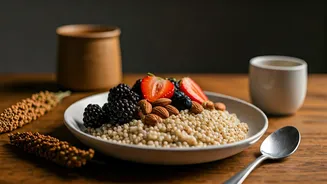
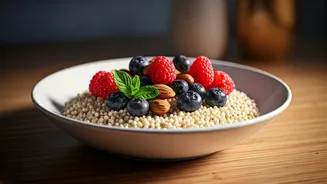
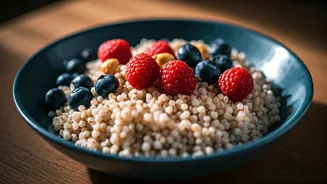
Incorporating sorghum into your morning routine is simple. The whole grains can be cooked into a hearty porridge with a chewy, rice-like texture. To make a basic porridge, simmer one cup of whole sorghum grains in about three cups of water for 45-50 minutes until tender. From there, you can add milk, spices like cinnamon, and your favorite fruit and nut toppings. For a quicker option, sorghum flour can be used to make a smooth porridge in about 15 minutes or turned into delicious pancakes. You can even find flaked sorghum, which cooks quickly like instant oatmeal, or popped sorghum, which adds a fun crunch to yogurt or fruit bowls.