





The Monsoon Dilemma: Cravings vs. Comfort
As the first drops of monsoon rain hit the parched earth, a collective sigh of relief sweeps across the country. The air gets cooler, the world turns a lush green, and cravings for pakoras and chai become almost instinctual. Yet, the persistent humidity
can also make you reach for a frosty glass of something cold. But according to traditional Indian wisdom, particularly Ayurveda, this is the one season where you should reconsider that iced beverage. The monsoon, or 'Varsha Ritu', is a time when the body's digestive system is considered to be at its weakest. The damp, cool environment is believed to slow down our metabolic processes, making it harder to digest food and drinks, especially cold ones.
Ayurveda's Wisdom for Rainy Days
In Ayurveda, the digestive fire, known as 'Agni', is central to good health. During the monsoon, the Agni is naturally diminished. Consuming cold drinks and foods can further extinguish this fire, leading to issues like indigestion, bloating, and a general feeling of sluggishness. Furthermore, the season is associated with an aggravation of the 'Vata' dosha, which governs movement in the body. An imbalanced Vata can lead to joint pain, dryness, and lowered immunity. Cold items are believed to increase Vata, making the body more susceptible to the coughs, colds, and fevers that are rampant during this time. The goal, therefore, is to consume foods and drinks that are warm, lightly spiced, and easy to digest, helping to pacify Vata and stoke the digestive fire.
Introducing Kadha: The Ultimate Monsoon Brew
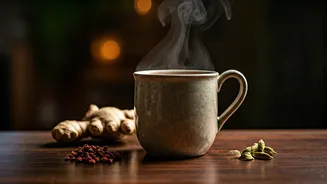
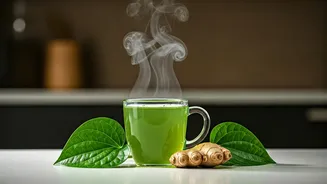
This is where our monsoon wellness favorite comes in: the humble yet powerful Kadha. For generations, this traditional herbal decoction has been the go-to home remedy in Indian households at the first sign of a sniffle. Kadha is not a single recipe but a concept—a warm, slow-brewed drink made by simmering a variety of herbs and spices in water. It’s designed to be a potent, immunity-boosting elixir that warms you from the inside out. It directly counters the cold, damp nature of the monsoon, providing the warmth your body needs to maintain its balance and fight off seasonal infections. It’s more than just a drink; it's a ritual of self-care passed down through generations.
The Power-Packed Ingredients
The magic of Kadha lies in its synergistic blend of common kitchen ingredients, each with its own set of health benefits. While recipes vary from family to family, a few key players are almost always present:
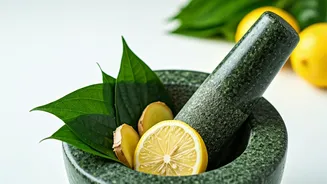
- **Tulsi (Holy Basil):** Revered in India for its medicinal properties, Tulsi is a powerful adaptogen that helps the body combat stress. It's rich in antioxidants and known for its antibacterial, antiviral, and antifungal properties, making it a frontline defence against infections.
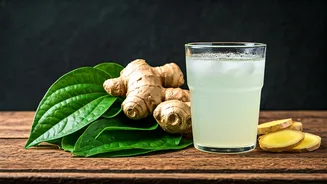
- **Adrak (Ginger):** This pungent root is a digestive powerhouse. It helps stimulate Agni, reduce nausea, and combat inflammation. Its warming nature is perfect for dispelling the monsoon chill.
- **Kali Mirch (Black Pepper):** More than just a seasoning, black pepper helps improve digestion and has potent antioxidant and antibacterial qualities. It also enhances the bioavailability of other nutrients.
- **Dalchini (Cinnamon) & Laung (Cloves):** This aromatic pair does more than add flavour. Cinnamon helps regulate blood sugar and has anti-inflammatory properties, while cloves are packed with antioxidants and act as a natural antiseptic.
How to Make Your Own Wellness Kadha
Making Kadha at home is incredibly simple. This basic recipe can be easily adapted based on what you have and what your body needs.
**Ingredients:**
- 2 cups of water
- 4-5 Tulsi leaves
- 1-inch piece of ginger, grated or crushed
- 4-5 black peppercorns, crushed
- 1-2 cloves, crushed
- A small piece of cinnamon stick
- Jaggery (gur) or honey to taste (add honey after the liquid has cooled slightly)
**Instructions:**
1. Pour the water into a small saucepan.
2. Add the Tulsi leaves, ginger, black peppercorns, cloves, and cinnamon.
3. Bring the mixture to a boil over medium heat.
4. Reduce the heat and let it simmer for 10-15 minutes, or until the water has reduced to about half.
5. Strain the liquid into a cup. If using jaggery, you can add it while simmering. If using honey, wait until the Kadha is warm, not boiling, before stirring it in.
6. Sip slowly and enjoy the warmth.