


Power Up with Nuts and Seeds
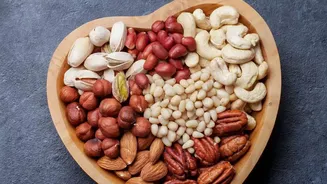
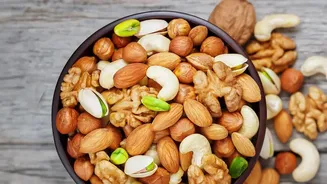
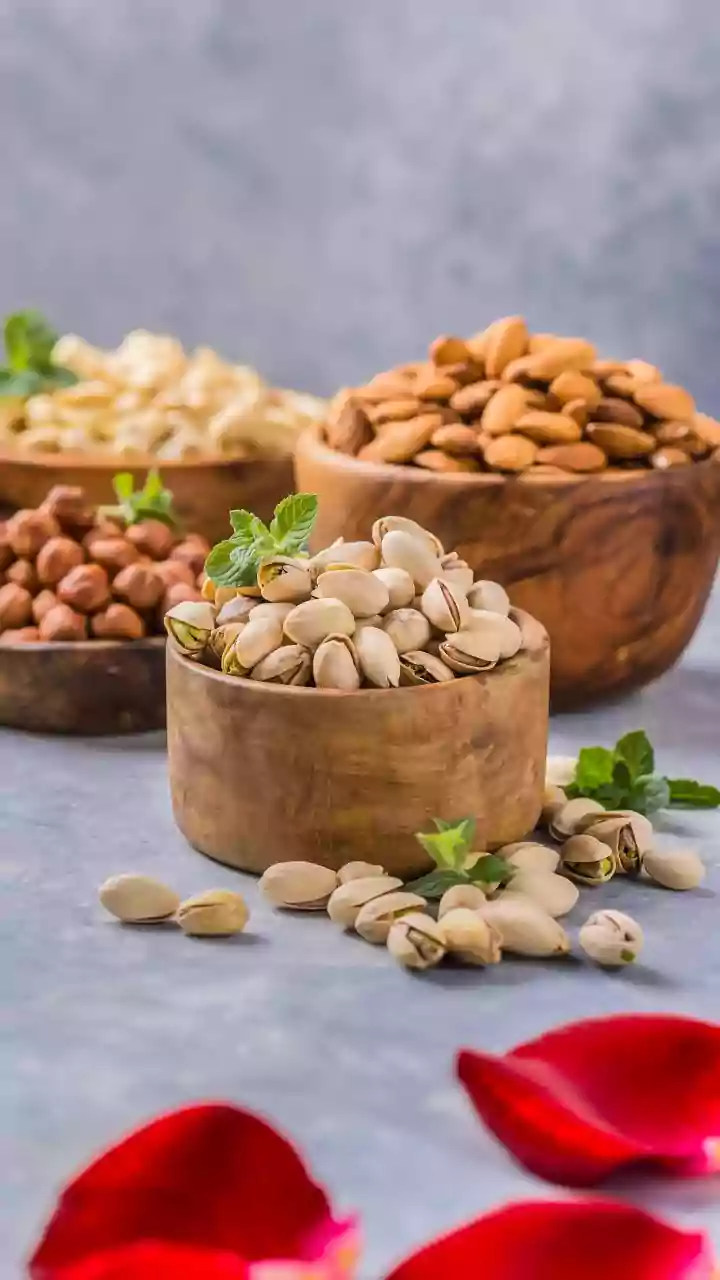
Nuts and seeds are nutritional powerhouses packed with heart-protective benefits. They contain unsaturated fats, which can help lower 'bad' LDL cholesterol levels, a major factor in plaque buildup in arteries. Many nuts, like walnuts, are also rich in omega-3
fatty acids, which are linked to a lower risk of heart attack and stroke. Furthermore, the fibre in nuts and seeds helps you feel full, reducing the urge to overeat. Studies show that regular nut consumption is associated with a significantly lower risk of cardiovascular disease. Just a small handful can make a difference. Practical Ideas: Keep a small container of unsalted, roasted almonds or walnuts at your desk. Try a spoonful of chia seeds or flaxseeds sprinkled over fruit or curd. Roasted makhana (fox nuts) is another excellent low-calorie, crunchy option popular in India.
Embrace Wholesome Grains
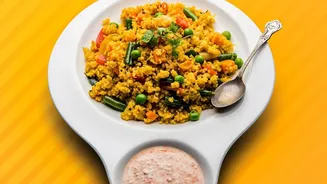
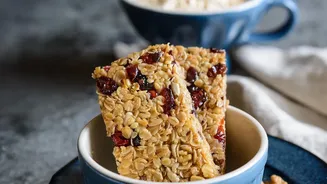
Replacing refined grains (like white bread and maida-based products) with whole grains is a crucial step for heart health. Whole grains like oats, barley, ragi, and whole wheat are rich in dietary fibre. This fibre helps manage blood pressure, lower cholesterol, and improve blood sugar control. Research indicates that a diet rich in whole grains is associated with a lower risk of heart disease and high blood pressure. Even small swaps can contribute to better health over time. Practical Ideas: Opt for a bowl of vegetable oats upma for an evening snack. Prepare a simple bhel with puffed rice and lots of fresh vegetables, but skip the fried sev. Baked or roasted khakhra made from ragi or jowar, paired with a mint chutney, offers a satisfying crunch without the extra oil. Even a simple whole-wheat toast with avocado or hummus provides a good mix of fibre and healthy fats.
The Goodness of Fruits and Veggies
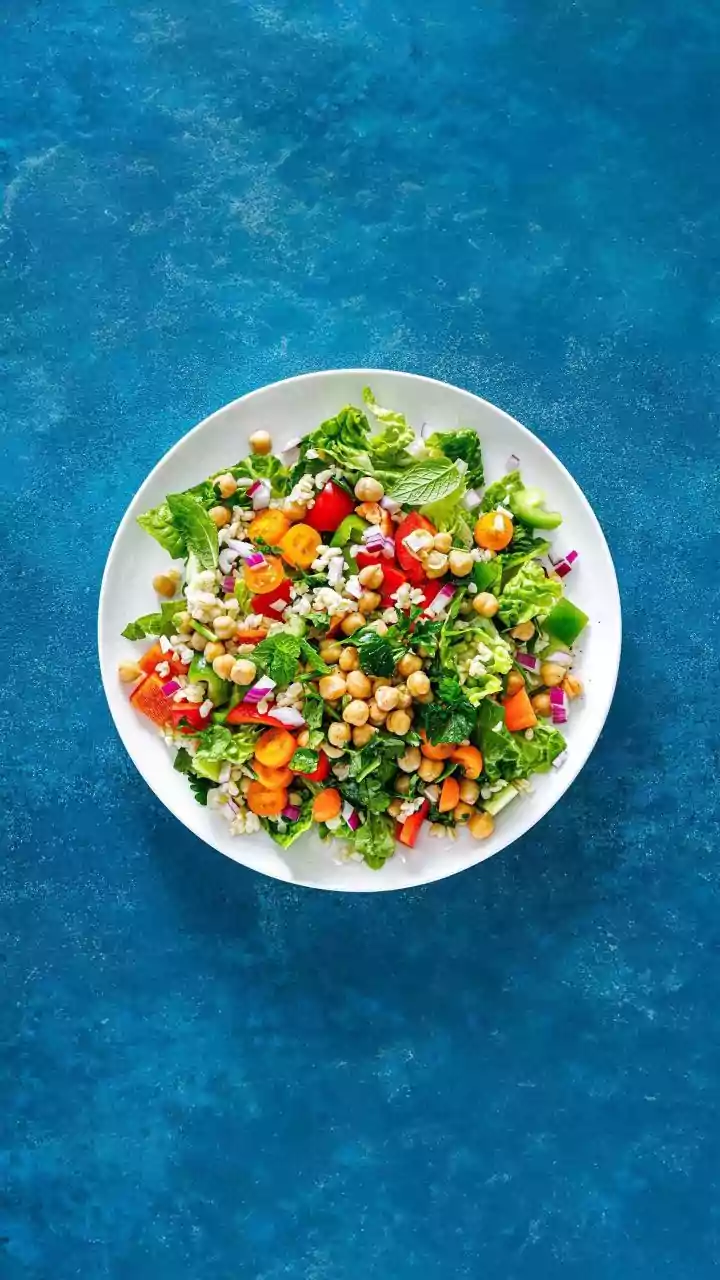
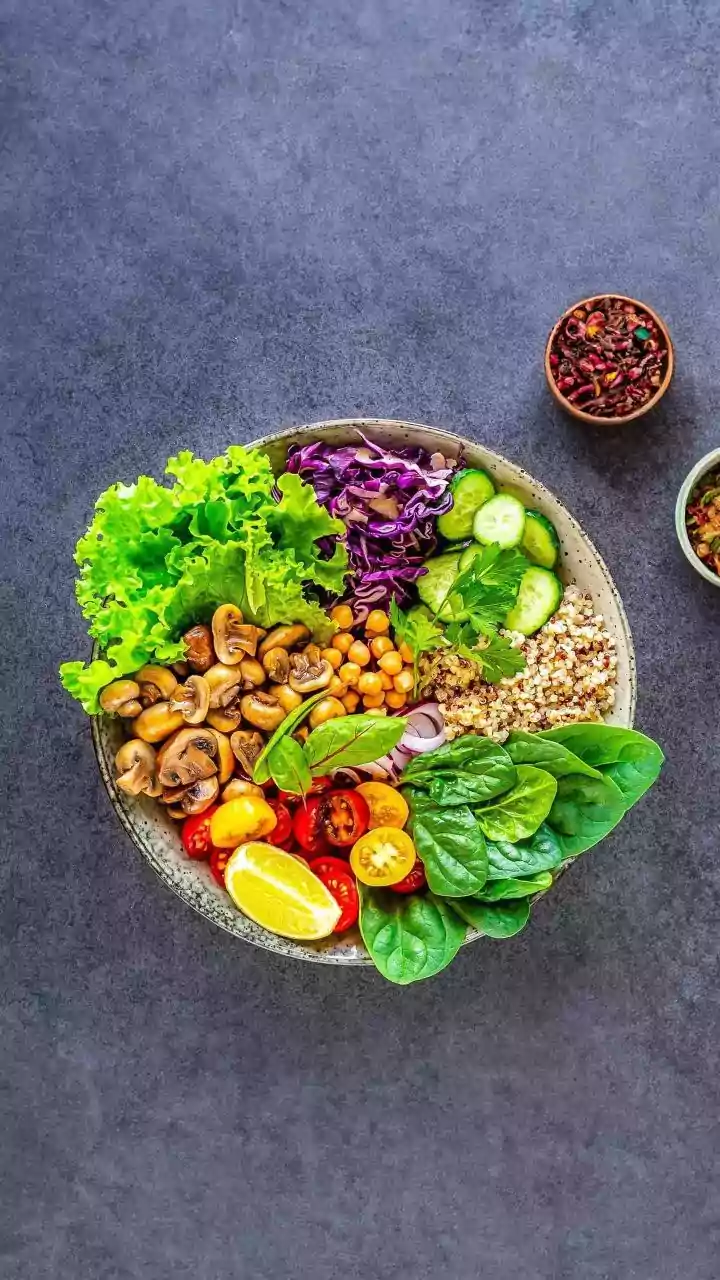
Fruits and vegetables are naturally low in calories and high in vitamins, minerals, and antioxidants. These nutrients help fight inflammation and cellular damage, which are contributing factors to heart disease. The fibre in plant-based foods is also key to maintaining a healthy weight and good digestion. A colourful plate is a sign of a nutrient-dense meal. Practical Ideas: A simple fruit chaat with a sprinkle of chaat masala and lemon juice is a refreshing and classic Indian snack. Keep it healthy by avoiding extra sugar. Sliced carrots, cucumbers, and bell peppers dipped in hummus provide a fantastic combination of crunch, fibre, and plant-based protein. An apple with a spoonful of natural peanut butter offers a mix of fibre and healthy fats to keep you satisfied.
Lean on Dairy and Protein
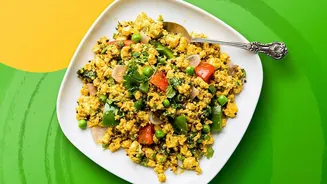
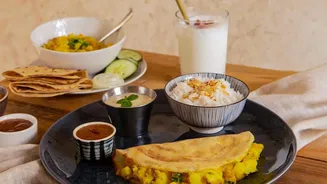
Including low-fat dairy and lean protein in your snacks can help with satiety and provide essential nutrients. Yoghurt, in particular, has been linked to positive cardiovascular outcomes. Studies suggest that regular yogurt consumption is associated with higher levels of 'good' HDL cholesterol and may help reduce the risk of high blood pressure. Probiotics found in yogurt support gut health, which is increasingly linked to overall wellness, including reduced inflammation. Practical Ideas: A bowl of low-fat plain curd (dahi) with a handful of berries or chopped fruit is a perfect snack. You can also make a savoury version with spiced buttermilk (chaas). A small portion of roasted chana (Bengal gram) or a sprout salad with chopped onions and tomatoes are excellent sources of plant-based protein and fibre. For a more substantial option, a mini moong dal chilla (savoury pancake) is both filling and heart-friendly.