




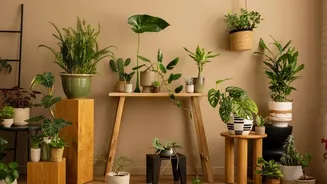
The Modern Green Workspace
The line between work and home has never been more blurred, leading many of us to carve out office nooks in our bedrooms. While convenient, this setup can make it difficult to switch off. This is where biophilic design—the practice of connecting with
nature indoors—comes in. Studies have shown that the simple presence of plants in a workspace can help reduce stress, lower blood pressure, and improve focus. Choosing the right plants is key, especially for a space that needs to function for both productivity and rest. You need greenery that looks great without demanding constant attention. Enter the snake plant and the pothos, two champions of the low-maintenance plant world.
The Snake Plant: An Upright, Unkillable Icon
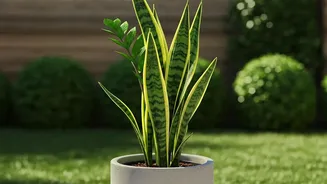
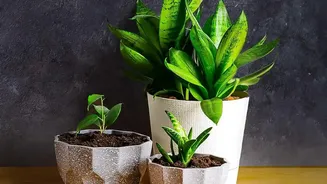
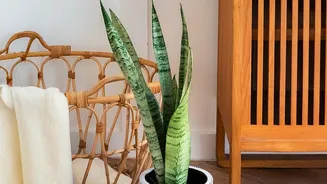
The snake plant, or Sansevieria trifasciata, is famous for being nearly indestructible, making it perfect for busy professionals and beginner plant owners. Its defining feature is its stiff, sword-like leaves that grow vertically, adding a sense of architectural structure to a room. This upright growth habit is ideal for a desk or a small corner, as it provides a strong visual impact without taking up much horizontal space. Available in a range of variegated patterns, from deep green with light green cross-banding to leaves edged in yellow, the snake plant adds a touch of modern elegance to any setup. Its sturdiness means it can tolerate periods of neglect and a wide variety of light conditions, from low light to bright, indirect sun.
A Breath of Fresh Air While You Sleep
One of the snake plant's most notable qualities is its ability to perform a special type of photosynthesis at night, absorbing carbon dioxide and releasing oxygen while you sleep. This makes it an especially suitable companion for the bedroom. While you would need a dense indoor jungle to purify a room's air completely, snake plants are effective at filtering common household toxins like formaldehyde and benzene, according to a well-known NASA study. This air-purifying quality, combined with its release of moisture, can help reduce allergens and create a fresher environment for rest.
The Pothos: An Effortless, Trailing Vine
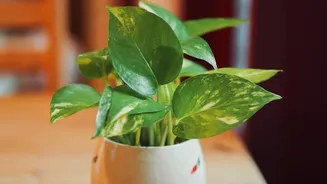
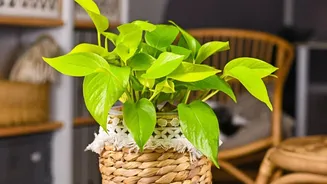
In contrast to the snake plant's rigid structure, the pothos (Epipremnum aureum) offers a softer, more dynamic aesthetic. Known for its heart-shaped leaves and long, trailing vines, pothos is perfect for draping over shelves, spilling from a hanging basket, or even being trained to climb a wall. This versatility allows it to add life and movement to a workstation, softening the hard edges of screens and desks. Pothos is incredibly forgiving and communicates its needs clearly; its leaves will start to droop slightly when it needs water. Like the snake plant, it tolerates a wide range of lighting conditions, though its variegation will be more pronounced in brighter, indirect light.
Easy Care for Maximum Impact
Both plants are lauded as ideal for beginners for good reason. The snake plant thrives on neglect; it prefers its soil to dry out completely between waterings and is susceptible to root rot if overwatered. You might only need to water it once or twice a month depending on your home's environment. Pothos is similarly low-fuss but appreciates a bit more consistent moisture—just let the top inch or two of soil dry before watering again. One of the most rewarding aspects of pothos is how easily it propagates. Simply snip a piece of vine and place it in water, and in a few weeks, you'll have a new plant to expand your collection or share with a friend.
A Perfect Pair for Productivity and Peace
Together, the snake plant and pothos create a balanced and beautiful green display. The snake plant offers vertical height and a strong, grounding presence, while the pothos provides a soft, cascading element that adds a sense of lushness and vitality. This combination of 'thriller' (the upright snake plant) and 'spiller' (the trailing pothos) is a classic design principle that works wonderfully in small spaces. By placing them in your bedroom workstation, you not only enhance the room's aesthetic but also cultivate a small pocket of nature that supports both focus during the day and tranquility at night.