








Know the Rules of the Game
Before you even think about packing, the first step is to know the specific carry-on rules of the airline you're flying. For most domestic Indian carriers like IndiGo, SpiceJet, and Akasa Air, the standard allowance is one cabin bag weighing up to 7 kg
and one personal item, such as a laptop bag or purse. Air India offers a similar 8 kg cabin allowance for domestic economy. Dimensions are also critical; the typical size limit is around 55cm x 35cm x 25cm. Exceeding these limits, even by a little, can result in hefty fees at the gate, defeating the entire purpose of travelling light. Always double-check your airline's website before your trip, as policies can vary based on fare type.
The Core of Your System: The Right Bag
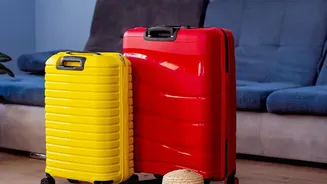
Your choice of carry-on bag is the foundation of a successful packing strategy. The empty weight of your suitcase is crucial; a heavy bag eats into your precious 7-8 kg allowance before you've packed a single item. Look for modern, lightweight carry-on bags, which can weigh as little as 1.8 to 2.5 kg. Whether you prefer a soft-sided backpack or a hard-shell trolley is a matter of personal preference. Backpacks offer flexibility and can often be squeezed into tight overhead spaces, while hard-shell cases provide better protection for your belongings. Brands like Travelpro, Samsonite, and Monos offer excellent lightweight options that maximize interior space without tipping the scales. A soft-sided bag can sometimes be a better choice as it can be easier to fit into the airline's sizer.
The Magic of Packing Systems
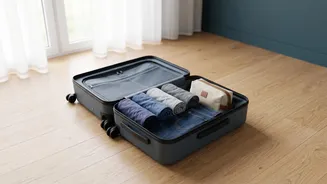
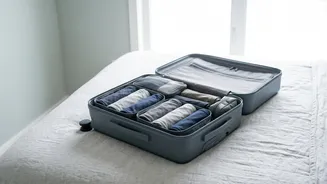
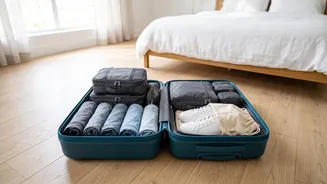
This is where the real transformation happens. Lightweight packing systems, primarily packing cubes and compression bags, are non-negotiable for efficient packing. Packing cubes are zippered fabric containers that allow you to compartmentalize your clothing. You can use one cube for tops, another for bottoms, and a third for underwear and socks. This not only keeps your bag incredibly organized but also compresses your clothes slightly, creating more space. Compression cubes take this a step further with an extra zipper that squeezes out even more air. For a four-day trip, a set of small and medium cubes is usually sufficient. Brands like Eagle Creek, Peak Design, and even budget-friendly options like Gonex provide a variety of choices to suit any traveller.
The Four-Day Packing Formula
To stay within your weight limit, you need a smart, versatile wardrobe. Think in terms of a capsule wardrobe where every item can be mixed and matched. A good formula for a four-day trip is the 4-3-2-1 rule: four tops, three bottoms (like one pair of jeans, one pair of versatile trousers, and one pair of shorts or a skirt), two pairs of shoes (one you wear, one you pack), and one outer layer (like a jacket or sweater). Wear your heaviest items—the jacket, jeans, and bulkiest shoes—on the plane to save space and weight in your bag. Choose fabrics that are lightweight and wrinkle-resistant, like merino wool or synthetic blends. This minimalist approach ensures you have enough outfits without overpacking.
Mastering Your Toiletries
Liquids are often the biggest challenge for carry-on travellers. Remember the universal rule: all liquids, gels, and aerosols must be in containers of 100ml (3.4 ounces) or less, and all containers must fit inside a single, transparent, resealable one-litre bag. Instead of buying travel-sized versions of your favourite products, invest in a set of reusable silicone travel bottles and decant what you need from your larger containers at home. Better yet, switch to solid toiletries. Solid shampoo bars, conditioner bars, solid perfume, and toothpaste tablets can completely eliminate the need for a liquids bag, freeing up valuable space and reducing weight. This is one of the most effective ways to streamline your carry-on.