



Why Native Plants Are Key
Before you rush to the nursery for the most exotic-looking flowers, consider this: native plants are the secret ingredient. These are plants that have evolved in your specific region for thousands of years. Unlike ornamental foreign species, they are perfectly
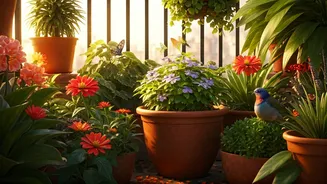
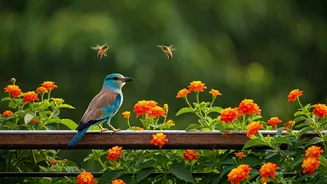
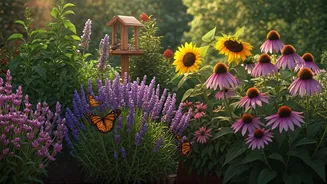
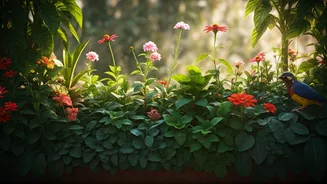
adapted to India's diverse climates, soil types, and rainfall patterns. This means they require less water, fewer fertilisers, and are naturally resistant to local pests and diseases. More importantly, they have a deep, co-evolved relationship with local wildlife. They provide the right kind of nectar for our native bees and butterflies, the correct leaves for caterpillars to munch on, and the familiar seeds and fruits that birds like sunbirds and sparrows seek out. Choosing native plants is like rolling out a welcome mat for the local fauna.
Assess Your Balcony's Microclimate
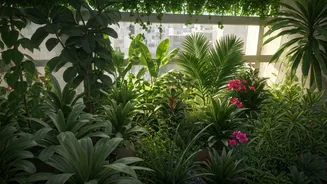
Every balcony has its own unique environment. Before buying any plants, take a few days to observe yours. How many hours of direct sunlight does it get? Is it a sun-drenched south-facing spot or a shady north-facing nook? Is it exposed to strong winds or monsoon rains? This assessment is crucial. A sun-loving Bougainvillea will struggle in deep shade, while a shade-tolerant fern will scorch in the harsh afternoon sun. Make a note of the sun's path across your balcony throughout the day. This information will be invaluable when you talk to your local nursery expert, helping you select plants that won't just survive, but thrive in the specific conditions you can offer.
Choosing Your Green Team
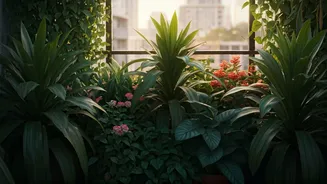
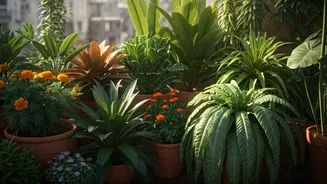
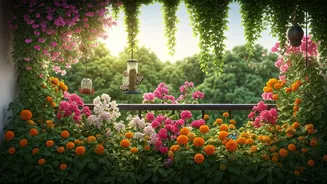
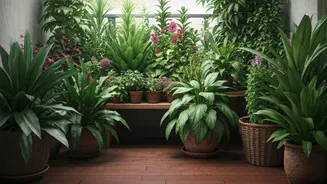
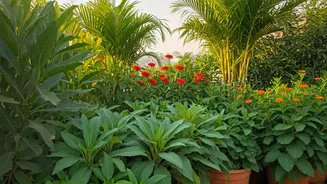
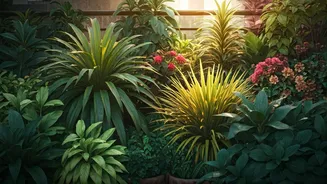
This is where the magic happens. The goal is to create layers. Aim for a mix of plants that serve different functions: * For Pollinators: Bright, fragrant flowers are irresistible. Think native species of Jasmine (Mogra, Chameli), Marigold (Genda), Ixora, and Hibiscus. These provide nectar for bees, butterflies, and sunbirds. * For Caterpillars (Host Plants): To have butterflies, you need to feed their young. The Curry Leaf plant (Kadi Patta) is a host for the Common Mormon butterfly, while Indian Mallow (Abutilon indicum) attracts various species. Don't be alarmed if you see chewed leaves; it's a sign your haven is working! * For Shelter and Food: Small shrubs or climbers can provide nesting spots or shelter from predators. Plants like Tulsi (Holy Basil) not only have cultural significance but its flowers also attract tiny pollinators. When you visit a nursery, specifically ask for plants “native to this region.” A knowledgeable salesperson can guide you to the right choices for your city's specific ecology.
Create a Complete Habitat
A thriving haven is more than just plants. Think about providing the other essentials of life. The single most effective addition is a source of water. A simple, shallow earthen bowl (a 'matka' saucer works perfectly) filled with fresh water can attract dozens of birds, especially in the dry heat of summer. Add a few pebbles or marbles to the bowl so that smaller insects like bees can drink safely without drowning. Secondly, and most importantly, go chemical-free. Pesticides and chemical fertilisers are indiscriminate killers. They harm the beneficial insects and birds you are trying to attract and poison the ecosystem. Embrace organic solutions like neem oil spray and compost to manage pests and feed your plants.
Patience and Observation
Creating a wildlife haven doesn't happen overnight. It takes time for plants to establish and for local wildlife to discover your new oasis. The initial visitors might be tiny—small native bees, a lone butterfly exploring a new flower. But with time, you'll start to notice the rhythm of your balcony's new life. You'll see sunbirds sipping nectar in the morning, the flash of a butterfly's wings in the afternoon, and hear the gentle hum of bees. Keep a small journal or take pictures to document the visitors. This process of observation is one of the greatest rewards, connecting you directly to the natural world right outside your window. Your small patch of green becomes a living, breathing part of the larger urban ecosystem.