





Fabric Fundamentals: Stay Light and Dry
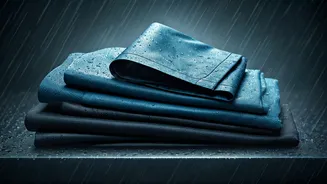
The golden rule of monsoon dressing is to choose your fabrics wisely. The intense humidity means you need materials that are breathable and dry quickly. Lightweight fabrics like rayon, crepe, and georgette are excellent choices as they don't cling to the skin
and repel water to some extent. [2, 14] Cotton blends are also a practical option, offering the comfort of cotton but drying much faster than their pure counterparts. [9, 28] On the other hand, heavy materials are your worst enemy. Steer clear of thick denim, pure linen, and velvet, as they absorb moisture, become heavy, and take an eternity to dry, often leading to a musty smell. [3, 26]
Smart Silhouettes: Go Shorter and Breezier
Navigating waterlogged streets and muddy puddles calls for strategic hemlines. This is the season to embrace shorter lengths. Culottes, cropped trousers, and ankle-length pants are your best friends, keeping your hems safe from dirt and splashes. [5, 7] Similarly, midi dresses, A-line skirts, and short kurtis are both stylish and practical. [13, 17] Loose, airy silhouettes like kaftans and shirt dresses are also a great choice, as they promote airflow and prevent clothes from sticking to your skin in the humid weather. [3, 14] Avoid floor-length anarkalis, maxi dresses, or baggy trousers that risk dragging through mud and water. [2, 17]
The Footwear Foundation: Prioritise Grip and Go Waterproof
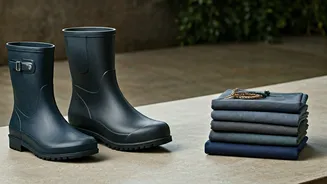
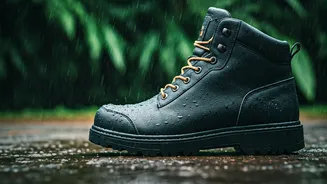
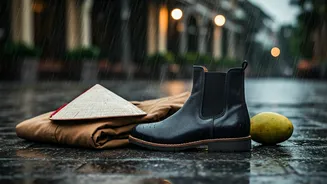
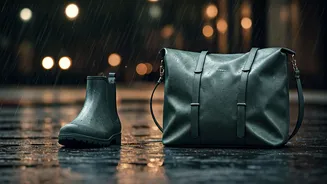
Monsoon footwear is all about safety and practicality. Your primary focus should be on anti-slip soles to navigate slippery surfaces with confidence. [20, 23] Materials like rubber, PVC, and EVA are ideal because they are waterproof, easy to clean, and dry in no time. [20, 23] Stylish rubber sandals, colourful flip-flops, and Crocs-style footwear are excellent for daily wear. [2, 23] For a more covered option, waterproof loafers or boots can work, but ensure they are breathable. Absolutely avoid leather, suede, and canvas shoes, as they get permanently damaged by water, absorb moisture, and can lead to fungal infections. [19, 20]
Colour and Prints: Brighten Up the Grey Skies
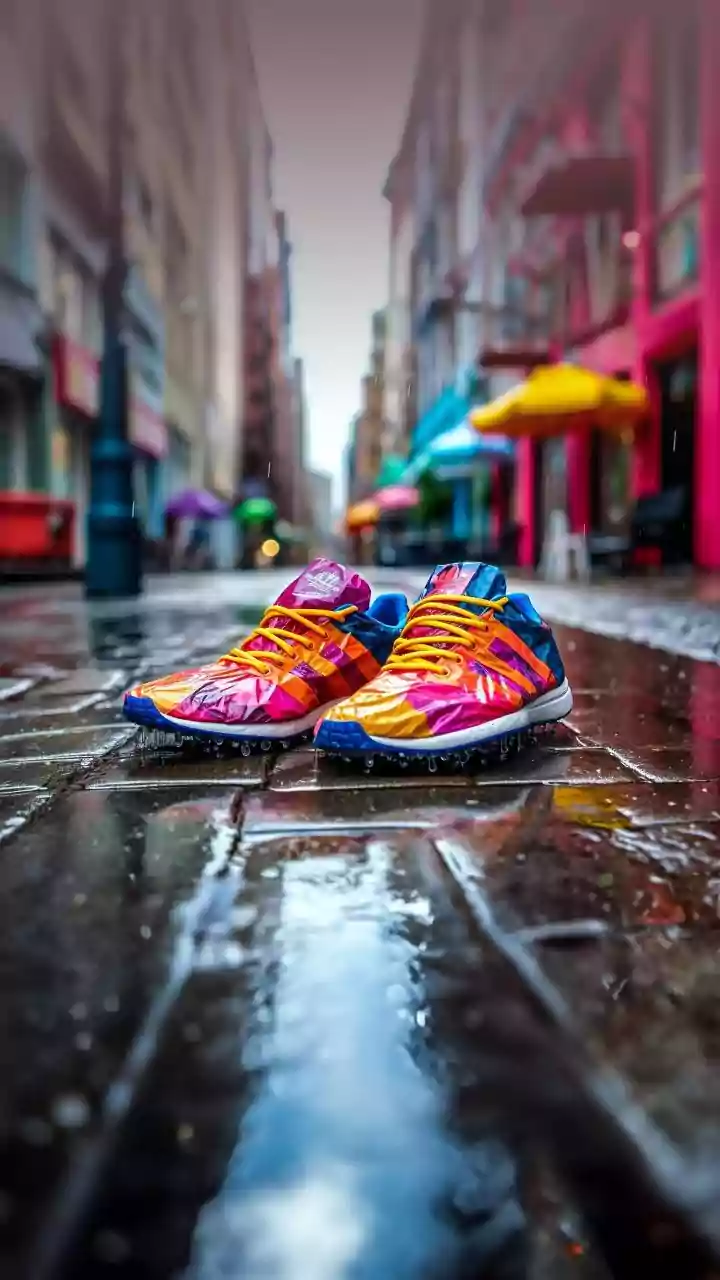
Gloomy, overcast days are the perfect excuse to inject some vibrant colour into your wardrobe. Bright hues like sunny yellow, hot pink, cobalt blue, and orange not only lift your spirits but also help mask mud splashes and water stains more effectively than light colours. [5, 13] Darker shades such as navy, olive green, and maroon are also practical for hiding stains. [7, 14] This is also a great time to play with prints. Florals and abstract patterns can cleverly camouflage any stray water spots. [13, 17] It's best to avoid whites and pale pastels, as they are unforgiving with mud and grime. [3, 28]
Accessorise for the Elements
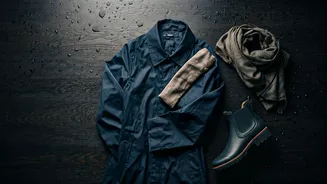
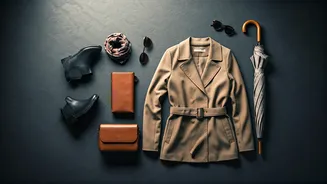
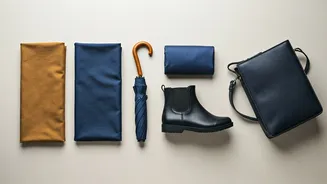
The right accessories can complete your monsoon-proof look. Opt for a waterproof or water-resistant handbag, like a PVC tote or a nylon backpack, to protect your essentials from the rain. [7] A stylish, sturdy umbrella is a non-negotiable accessory; consider a colourful or patterned one to add a fun element to your outfit. [12] Lightweight, quick-drying scarves can also be a versatile addition for an extra layer or to protect your hair from the drizzle. [3] It's wise to keep jewellery minimal, as humidity can cause metal to tarnish and feel uncomfortable against sticky skin. [2]