






Why Common Names Cause Confusion
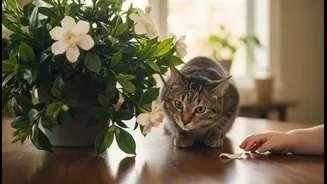
When you're at a nursery, it’s easy to be swayed by a plant's beautiful leaves and a friendly-sounding common name. However, these names can be misleading and vary wildly by region. For instance, the popular 'Money Plant' is a perfect example of this
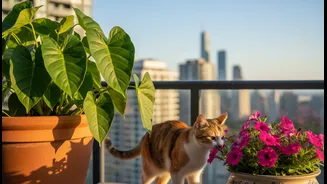
confusion. In India, this name often refers to Epipremnum aureum, also known as Pothos or Devil's Ivy. This plant is toxic to pets if ingested. Meanwhile, the 'Chinese Money Plant', or Pilea peperomioides, is completely non-toxic. Without knowing the scientific name, you could easily bring home the wrong one. Similarly, 'Lucky Bamboo' is not true bamboo and is actually a type of Dracaena that is toxic to cats and dogs. This is why relying on common names alone is a gamble you don’t want to take with your pet’s health.
The Gold Standard: Scientific Names
Every recognized plant species has a unique, two-part scientific name, also known as its binomial name. This name, usually in Latin, consists of the genus and the species. For example, the toxic Pothos is Epipremnum aureum, while the safe Areca Palm is Dypsis lutescens. Unlike common names, a scientific name is universal and ensures you know exactly which plant you are dealing with. This name is your most reliable tool for verifying pet safety. You can usually find it on the small plastic tag that comes with the plant at the store. If not, a quick search online using a photo can often help you identify it before you make a purchase.
Common Houseplants Toxic to Pets
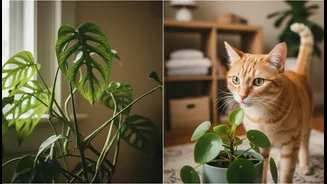
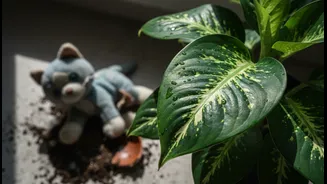
Several popular houseplants found in Indian homes can be dangerous for curious cats and dogs. It’s crucial to know which ones to avoid or keep well out of reach. Lilies (Lilium and Hemerocallis species) are extremely dangerous, especially for cats; even ingesting a small amount of pollen can lead to severe kidney failure. Sago Palm (Cycas revoluta) is another highly toxic plant where all parts, especially the seeds, can cause liver failure and be fatal. Pothos/Money Plant (Epipremnum aureum) and Dumb Cane (Dieffenbachia) contain calcium oxalate crystals that cause intense oral irritation, drooling, and difficulty swallowing when chewed. While beautiful, these plants pose a significant risk in a pet-friendly household.
Signs of Plant Poisoning
Even with precautions, accidents can happen. If you suspect your pet has chewed on a toxic plant, it's important to recognize the signs of poisoning. Common symptoms include vomiting, diarrhea, excessive drooling, and lethargy. In more severe cases, you might notice difficulty breathing, seizures, or uncoordinated movements. Different plants affect pets differently; some cause immediate gastrointestinal upset, while others can lead to organ damage that appears later. If you observe any of these signs, it is critical to act quickly.
Beautiful and Pet-Safe Alternatives
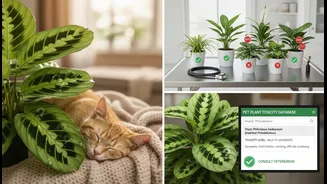
The good news is you don’t have to choose between having pets and having plants. There are many stunning options that are completely safe for your furry companions. The Areca Palm (Dypsis lutescens) is a popular choice in Indian homes, known for being non-toxic and a great air purifier. The Spider Plant (Chlorophytum comosum) is resilient, easy to care for, and completely safe if your pet decides to nibble on its dangling plantlets. Other excellent choices include the Boston Fern (Nephrolepis exaltata), various Calathea species (also known as Prayer Plants), and the Parlor Palm (Chamaedorea elegans), all of which are verified as non-toxic to both cats and dogs.
Your Pre-Purchase Checklist
To ensure you're creating a safe environment, follow a few simple steps before bringing a new plant home. First, always check the plant's tag for its scientific name. If it's not listed, ask a staff member or use a plant identification app on your phone. Once you have the scientific name, consult a reliable database, such as the extensive list provided by the ASPCA (American Society for the Prevention of Cruelty to Animals), which clearly categorizes plants as toxic or non-toxic to cats and dogs. Taking these few extra minutes to research can provide complete peace of mind and prevent a potential emergency.