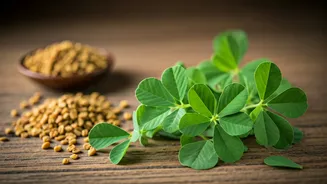





The Flavour That Feels Like Home
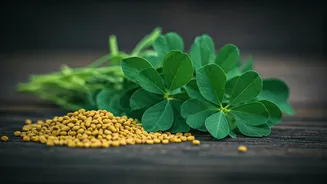
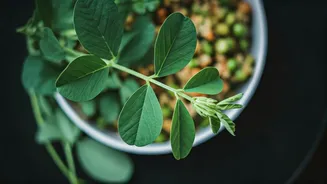
Fenugreek’s flavour profile is uniquely complex. It carries a pleasant bitterness that is rounded out by nutty, earthy notes and a whisper of sweetness, sometimes compared to celery or maple. This isn't the sharp, aggressive bitter of some greens, but
a deep, savoury quality that provides balance. In Indian cooking, where dishes often feature rich fats, tangy tomatoes, or creamy bases, methi’s bitterness cuts through the richness, preventing the food from feeling heavy. This balancing act is key to its role in comfort food. It makes a simple potato stir-fry feel complete and adds a layer of sophistication to a basic lentil dal, transforming them into meals that feel both grounding and deeply satisfying. This complexity is what makes you pause and appreciate a dish, a hallmark of a meal cooked with care.
From Humble Sabzi to Rich Curries
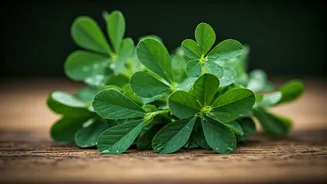
Methi is the star of some of India’s most cherished comfort dishes. Take Aloo Methi, a simple stir-fry of potatoes and fenugreek leaves. It’s a staple in countless households, a quick, nutritious, and soul-satisfying meal often served with hot rotis. Then there’s Methi Thepla, the beloved Gujarati flatbread that’s a constant in lunchboxes and a trusted travel companion. The fenugreek leaves are kneaded into the dough, infusing every bite with their characteristic aroma. For more indulgent occasions, there's Methi Matar Malai, a rich, creamy curry from North India where fenugreek leaves and sweet peas are bathed in a luxurious cashew-based gravy. In each of these dishes, fenugreek plays a different role—as the star, as a team player, as a finishing touch—proving its incredible versatility.
Fresh Leaves vs. Dried Magic
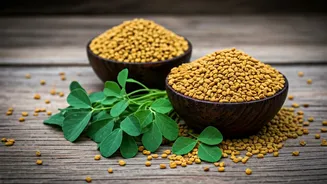
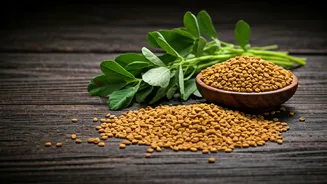
The magic of fenugreek extends to its dried form, known as Kasoori Methi. Named after the Kasur region of Punjab, this is made by drying the fresh leaves, which concentrates their flavour and aroma, making them more intense and pungent. While fresh methi is used as a leafy vegetable, Kasoori Methi is used as a finishing herb, much like oregano in Italian cuisine. Crushing the dried leaves between your palms and sprinkling them over a curry like Butter Chicken or Dal Makhani in the final moments of cooking releases their essential oils. This adds a final layer of deep, savoury aroma that signals a dish is complete and ready to be savoured. The two forms are not interchangeable; they offer different expressions of the same soul, one bright and vegetal, the other deep and aromatic.
More Than Just Flavour
Part of what makes fenugreek a true comfort food is its well-regarded health benefits, which have been noted in Ayurvedic traditions for centuries. Fenugreek leaves are a good source of iron, calcium, and vitamins. They are particularly known for their high fibre content, which aids in digestion and helps regulate blood sugar. In traditional home remedies, methi is often used to soothe digestive issues. This association with wellness contributes to the comforting feeling it provides; a meal with methi feels inherently nourishing and good for you. It’s food that not only tastes like care but also provides it, fulfilling the essential promise of comfort food.