
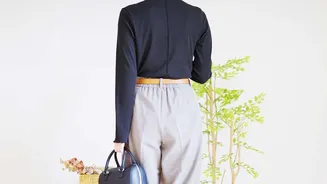

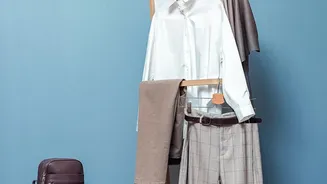
It’s an accessory often overlooked, yet it holds the power to completely redefine an outfit. More than just a functional item, a belt is a styling tool that can cinch, shape, and add a finishing touch to even the most simple clothes.
The Slim Belt: For Subtle Sophistication
The slim belt is the
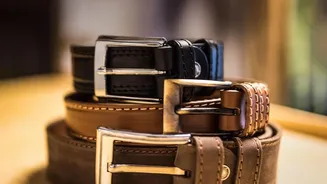
master of understatement. Typically an inch wide or less, its strength lies in its subtlety. It’s the perfect choice when you want to gently define your waist without breaking up the line of your outfit. Think of it as a quiet detail that shows you've considered every element of your look. A slim belt can add a pop of colour to a neutral dress, secure a lightweight cardigan, or bring a touch of elegance to high-waisted trousers. They are particularly effective with delicate fabrics like silk or for formal office wear, where they add polish without being distracting. For those with a shorter torso, a thin belt is often the most flattering choice, as it won't overwhelm your frame or visually shorten your waist.
The Wide Belt: For Structure and Statement
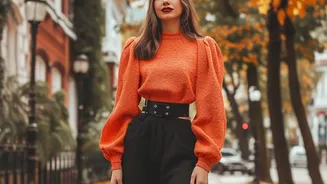
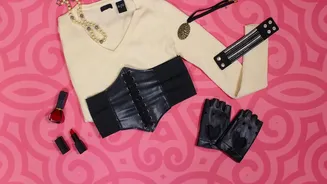
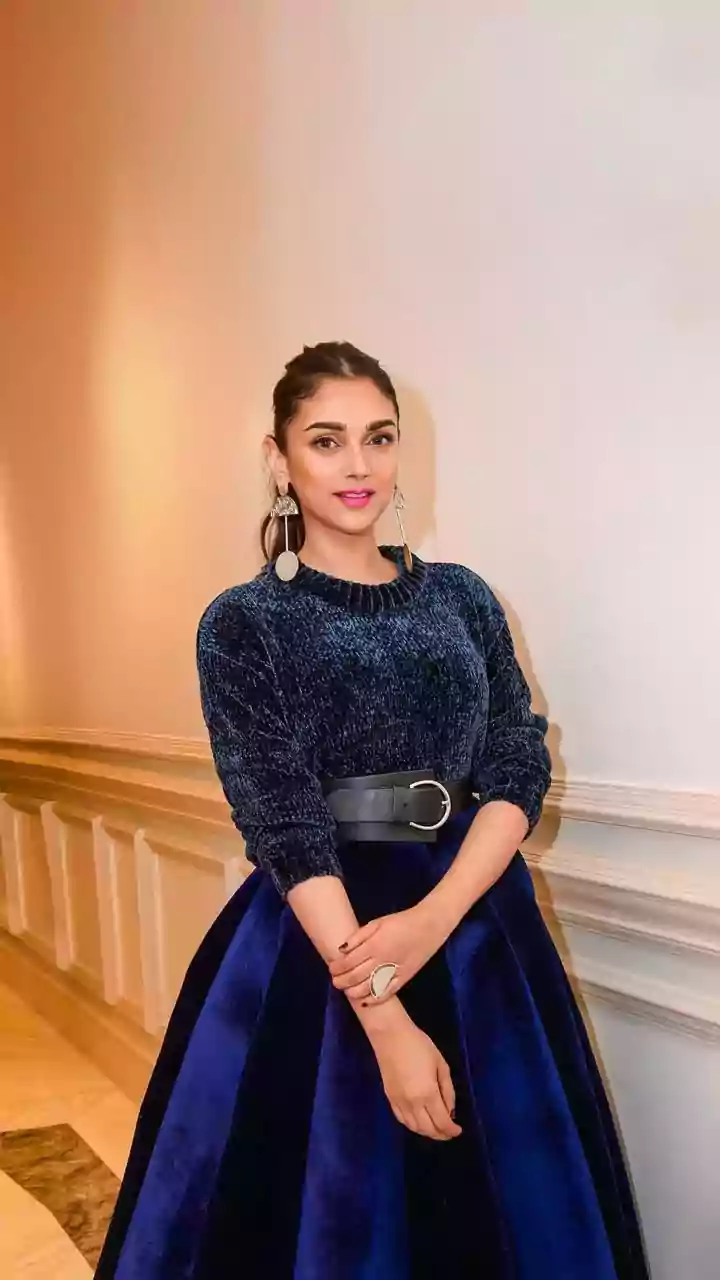
When your goal is to make a statement and create a dramatic silhouette, the wide belt is your best friend. Measuring two inches or more, a wide belt adds structure and has the power to give an hourglass shape to looser garments. It's the ideal accessory for cinching an oversized blazer, a flowy maxi dress, or a chunky knit sweater, instantly creating a focal point and defining your figure. Wide belts draw the eye directly to the waist, making them a bold choice. They work especially well on those with a long waist, as they can help balance proportions. A common misconception is that a wider belt will hide a larger midsection, but it often does the opposite by drawing more attention to the area. Instead, its power lies in its ability to give shape to voluminous clothing.
How to Choose: Outfit, Occasion, and Proportion
Deciding between a slim and wide belt often comes down to three key factors. First, consider the outfit's fabric and structure. Delicate materials call for slim belts, while heavier garments like denim or wool can handle a wider style. Second, think about the occasion. A slim leather belt often reads as more formal and is suitable for business settings, while a wide or woven belt can feel more casual and relaxed. Finally, let the belt loops on your trousers be your guide; a skinny belt can look lost in large, denim-style loops. The most important rule is to choose a belt that feels balanced with the rest of your look. A wide belt on a petite frame might feel overwhelming, just as a skinny belt might get lost on a very tall person with a long torso.
Styling Tips Beyond the Basics
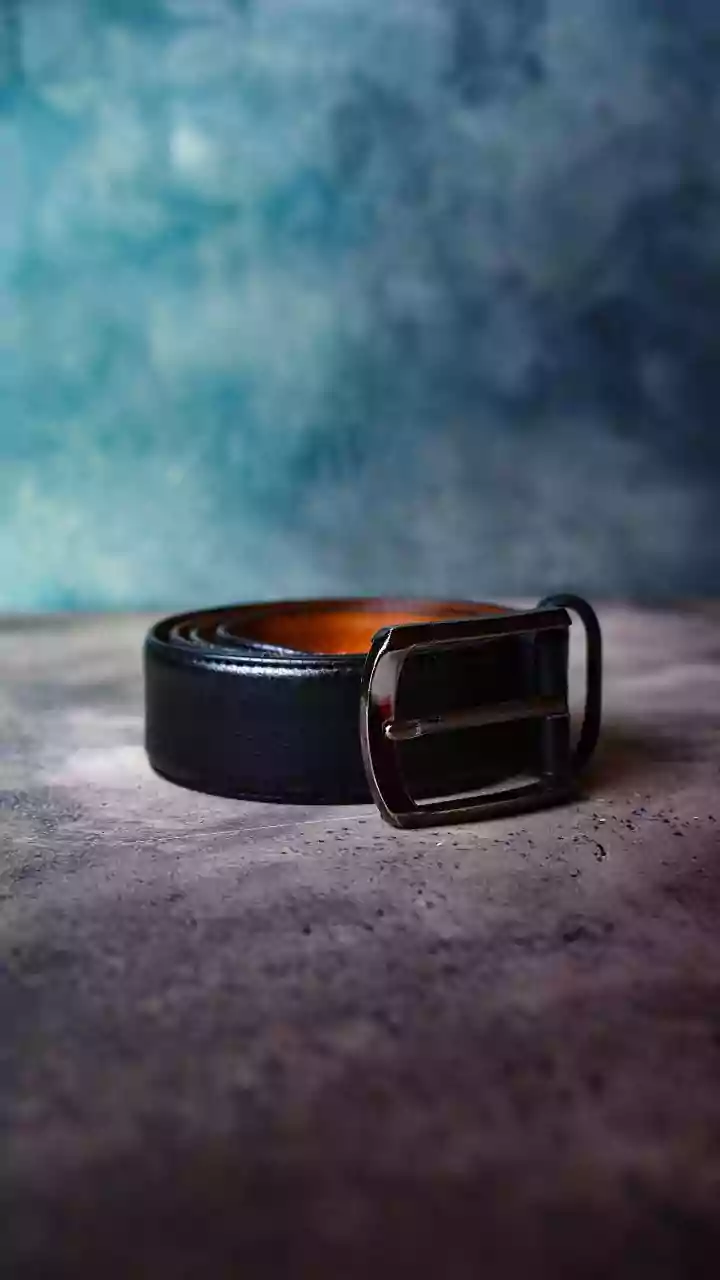
Once you've decided on the width, you can play with other details. The buckle, for instance, sets a tone; a classic metal buckle is timeless, while a round buckle can feel softer and more casual. Don't be afraid to think beyond black and brown. A metallic or coloured belt can be a fantastic accent piece. Matching your belt to your shoes is a classic rule that always looks polished, particularly for formal or work environments, but creating an intentional contrast can also be a stylish, modern choice. You can even use a belt to cinch a scarf over a simple top to add interest and shape. Ultimately, the belt's purpose is to complete the story your outfit is telling, whether through quiet elegance or bold definition.