


Why 'Just Water Everything' Is a Recipe for Disaster
It’s the most common instruction, and also the most dangerous. Not all plants are created equal. Your succulent that thrives on neglect and your fern that desires constant moisture have vastly different needs. A well-meaning friend who gives every pot
a generous splash is likely to drown the drought-lovers and leave the thirsty ones gasping. Overwatering is one of the most common causes of houseplant death, leading to root rot and sad, yellowing leaves. A one-size-fits-all approach is a gamble, turning your sitter’s good intentions into a potential plant massacre. To avoid this, you need to replace vague directions with specific, easy-to-follow guidance.
Start With a Simple Plant Census
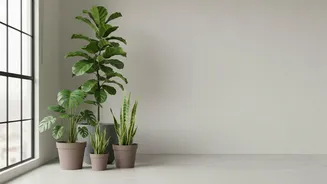
Before you can create clear instructions, you need to know what you’re working with. Take a few minutes to do a quick tour of your home and make a simple list of your plants. Group them by location (e.g., “Living Room Windowsill,” “Kitchen Shelf”) to make them easy for your sitter to find. This isn’t about creating a complicated spreadsheet, but simply about getting organized. Knowing you have five plants in the living room and three in the bedroom helps ensure none get forgotten. This simple inventory is the foundation for all the other instructions you’ll provide.
Master the Art of Watering Instructions
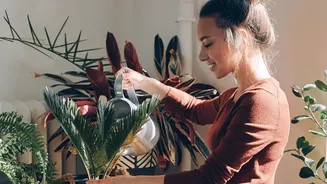
Instead of a rigid schedule like “water every Tuesday,” empower your sitter with knowledge. The best method is the finger test: instruct your sitter to stick their finger about an inch into the soil. If it feels dry, it’s time to water. If it feels damp, they should leave it alone. This simple technique accounts for fluctuations in humidity and temperature far better than a calendar. For plants that have specific needs, use clear labels. A color-coded system with small sticky notes or labeled popsicle sticks can work wonders. For instance: a pink note could mean “Water when top inch is dry,” a blue note for “Keep soil consistently moist,” and a yellow note for “Let me dry out completely between waterings.” This takes the guesswork out of the equation.
Don't Forget Light and Location
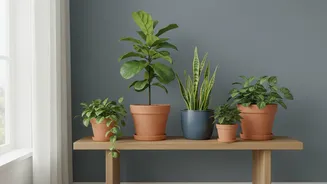
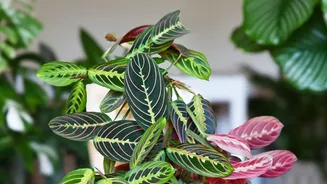
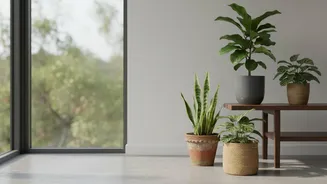
Your sitter doesn’t know that the afternoon sun in your west-facing window scorches your calathea. Before you leave, consider moving sensitive plants out of direct, intense sunlight to a spot with bright, indirect light. This reduces their water needs and lowers the risk of sunburn. Grouping plants together on a central table can also be helpful; not only does it make them easier for your sitter to manage, but it creates a small humid microclimate that most houseplants enjoy. In your notes, a simple line like, “All the plants are on the dining room table,” is much clearer than a scavenger hunt through your home.
Create a ‘Plant Care Station’
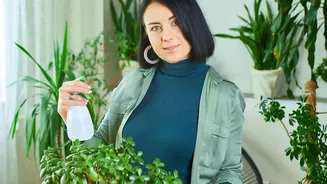
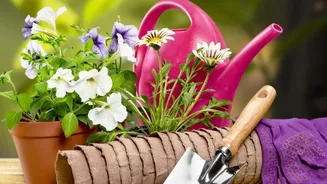
Make your sitter’s job as easy as possible by putting all the necessary tools in one obvious place. Leave a watering can, a spray bottle for misting (if needed), and a small pair of scissors for trimming any dead leaves together. If you have a large collection, you might fill the watering can before you leave. This simple act of preparation shows you respect their time and removes any friction from the process. No one wants to spend ten minutes searching for a watering can under the sink. A prepared kit makes the task feel straightforward and manageable.
The Five-Minute Walk-Through
If possible, the most effective tool in your arsenal is a quick walk-through with your sitter before you go. Physically point out the plants, explain your note system, and demonstrate the finger test. This is your chance to answer any questions and clarify any quirks, like the finicky orchid that only likes to be watered from the bottom or the dramatic prayer plant that droops when it’s thirsty. Hearing it directly from you and seeing the setup in person will boost your sitter’s confidence and significantly increase the odds that you’ll return to a thriving indoor jungle. If a live tour isn't possible, a short video message can work just as well.