




Budgeting for Fuel
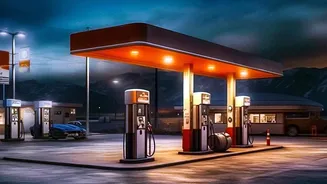
Fuel is often the single largest expense on a road trip, yet it's frequently underestimated. A simple formula can give you a solid baseline: (Total Distance ÷ Vehicle's Mileage) × Fuel Price. For instance, a 500 km trip in a car that gives 15 km/litre,
with petrol at ₹102/litre, would cost approximately ₹3,400. However, always use your vehicle's real-world mileage, not the manufacturer's claim, as city traffic and hilly terrain can reduce efficiency by 15-20%. To get the most accurate estimate, use online tools like TollGuru or Mappls, which can calculate fuel costs based on your specific route and current city-wise fuel prices. These apps provide a much clearer picture than a rough mental calculation, ensuring you aren't caught off guard at the pump.
Navigating Tolls with FASTag
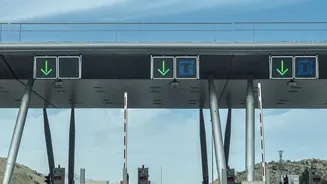
India's extensive network of national highways has made travel faster, but it comes at the cost of numerous toll plazas. The mandatory FASTag system has streamlined this process, allowing for automatic, cashless payments via an RFID sticker on your windshield. This not only saves time but also fuel by reducing idling at toll booths. Before you start, you can estimate your total toll expenses using several apps and websites, including Google Maps, the NHAI's official portal, and dedicated toll calculators like TollGuru. These tools provide a plaza-by-plaza breakdown of charges for your specific vehicle type. Keep in mind that making a return journey through the same toll plaza within 24 hours often entitles you to a significant discount on the return leg, a benefit that is automatically applied with FASTag.
The Non-Negotiable: Driver Rest
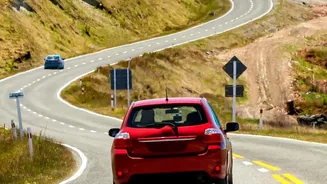
While fuel and tolls impact your wallet, driver fatigue impacts your safety. It is a critical factor that must be built into your itinerary. India has a high rate of road accidents, with over-speeding and driver fatigue being major contributors. A recent report from 2026 highlighted that the hours after 9 PM are particularly dangerous due to deteriorating driver behaviour and reduced visibility. To combat this, experts recommend taking a 15-minute break for every two hours of continuous driving. This isn't just about pulling over; it's about getting out, stretching, and letting your mind reset. Never try to 'power through' drowsiness. Plan your overnight halts in advance and avoid scheduling long stretches of driving after a heavy meal or during late hours. On long trips, sharing the driving duties is an excellent way to ensure the person behind the wheel is always alert.
Putting It All Together for a Seamless Trip
A successful road trip plan integrates all three elements. Start by mapping your primary route. Use an app to calculate the total fuel and toll costs for this route, giving you a clear financial picture. Next, look at the driving time. If a leg of the journey is more than 8-10 hours, identify a suitable town for an overnight stay. Break down each day's drive into two-hour segments, marking potential spots for tea breaks and meals. Pre-booking hotels for your overnight stops removes the stress of finding accommodation when you are already tired. Remember that spontaneous detours are part of the fun, so add a 10-15% buffer to your budget and timeline to accommodate for unplanned adventures. By treating rest as a crucial part of the journey and accounting for every rupee spent on fuel and tolls, you transform a potentially stressful drive into a memorable exploration of the Indian landscape.