





The Monsoon Transformation
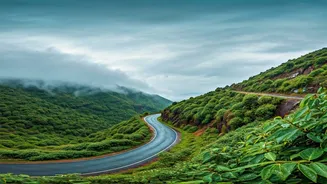
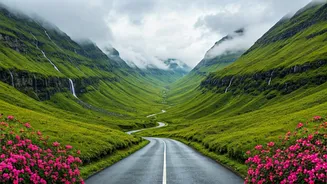
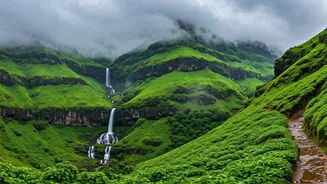
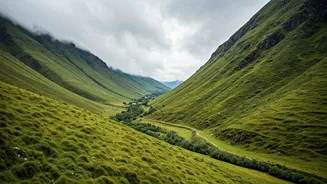
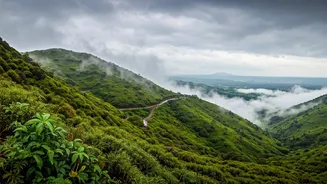
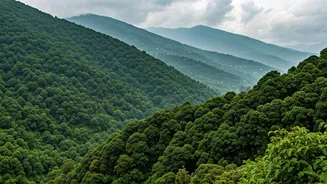
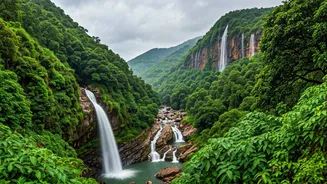
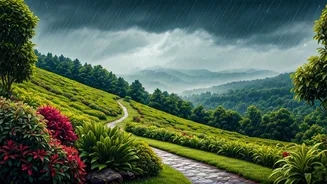
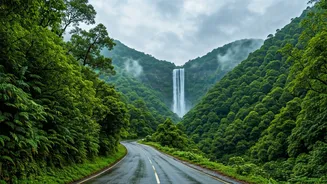
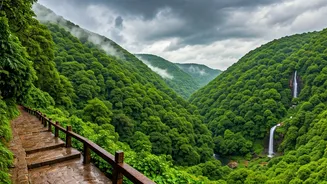
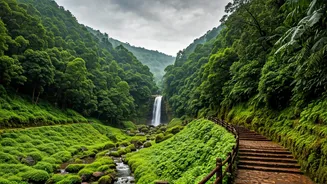
Perched in the Sahyadri mountain range, Saputara undergoes a magical transformation from July to September. The rains wash over the hills, turning the entire region into a verdant paradise. Clouds hang low, often blanketing the valleys and viewpoints
in a dramatic, ever-shifting mist. This isn't just rain; it's a complete atmospheric makeover that makes the air crisp and the scenery feel alive. For travellers from nearby cities like Surat and Nashik, this cool, green escape offers a welcome respite from the heat and humidity of the plains. The name 'Saputara' itself means 'Abode of Serpents', and the local tribes hold the snake as a revered figure, especially during the life-giving monsoon season.
Chasing Roaring Waterfalls
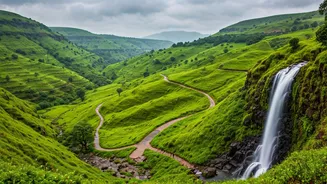
The monsoon is the best time to witness the area's waterfalls in their full glory. The most famous of these is the Gira Waterfall, located about 50 km from Saputara. During the rainy season, the Kapri river plunges from a height of about 30 metres, creating a powerful and mesmerising spectacle. The sound is deafening, and the spray creates a fog-like atmosphere around the viewing areas. It's a popular spot for a half-day trip and a highlight for anyone visiting the region during this time. The journey to the falls itself is scenic, passing through the lush Dang forest, making the experience a complete natural immersion.
Misty Views from Above
Saputara offers several vantage points that take on a different character in the rain. The Saputara Ropeway, officially known as Pushpak Ropeway, connects Sunset Point and Sunrise Point, offering a stunning aerial view. A cable car ride through the low-hanging clouds, with glimpses of the sprawling Saputara Lake and green hills below, is a unique experience. While heavy rain can sometimes lead to temporary closures, a ride during a lighter spell is unforgettable. Similarly, viewpoints like Table Point and Echo Point, though sometimes obscured by fog, offer moments of breathtaking beauty when the mist clears to reveal the rain-washed valley.
A Lake Shrouded in Fog
At the heart of the town lies Saputara Lake, a man-made reservoir that is a hub of activity. During the monsoon, the experience of boating on the lake is particularly serene. Paddling through the calm, misty waters surrounded by green hills is a peaceful escape. The cool weather makes it perfect for enjoying hot snacks like corn on the cob (bhutta) or Maggi from the local stalls that line the lakefront, a quintessential hill station experience for many visitors. The gardens surrounding the lake, like the Step Garden and Lake Garden, are also at their greenest and most beautiful during this season.
A Splash of Local Colour
When the rain gets too heavy for outdoor exploration, Saputara offers colourful indoor alternatives. The Artist Village, also known as Gandharvapur, is a cultural hub that showcases the art of the local Bhil, Kunbi, and Warli tribes. Here, you can see and purchase intricate Warli paintings, bamboo crafts, and traditional jewellery. The village also hosts workshops, allowing visitors to get a hands-on experience of the local crafts. Nearby, the Saputara Tribal Museum provides deeper insight into the lifestyle, heritage, and customs of the indigenous Dang tribe, displaying everything from musical instruments to traditional costumes.
Monsoon Travel Essentials
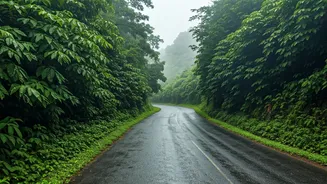
A monsoon trip to Saputara requires some planning. The nearest major railway station is Bilimora, about 50 km away, from where taxis and buses are available. The hill station is well-connected by road to cities like Nashik (80 km), Surat (172 km), and Mumbai (250 km). It's advisable to drive cautiously as roads can be slippery and foggy. Pack quick-drying clothes, footwear with good grip, and a reliable umbrella or raincoat. While the weather is generally pleasant, with temperatures between 20°C and 25°C, heavy rain can sometimes disrupt plans, so it’s best to have a flexible itinerary. Booking accommodation in advance is also recommended, as the monsoon is a popular season for tourists.