





Mastering Your Rainwear
Your first line of defence is a solid rain jacket or a poncho. While a high-quality waterproof and breathable jacket is a great investment for serious trekkers, a good-quality poncho is an excellent alternative. A poncho offers superior ventilation and has
the added advantage of covering you and your backpack, protecting everything in one go. Umbrellas are impractical on windy trails. Whichever you choose, ensure it's genuinely waterproof, not just water-resistant, as the latter will soak through in the sustained downpours common in the Ghats.
A 'Quick-Dry' Clothing Strategy
The golden rule of monsoon trekking is simple: no cotton. Jeans, cotton t-shirts, and sweatshirts absorb moisture, take ages to dry, and will leave you feeling damp and cold. Instead, build your wardrobe around quick-dry synthetic fabrics like polyester and nylon. Pack two to three sets of synthetic t-shirts and a pair of lightweight, quick-dry trekking pants. It's crucial to keep one full set of clothes sealed in a separate dry bag, reserved only for changing into at your campsite for a dry, comfortable night.
The Right Call on Footwear
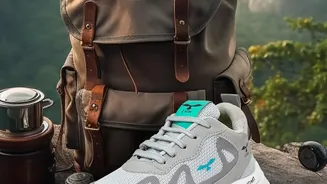
Choosing footwear is a classic dilemma. Fully waterproof trekking boots sound ideal, but once water gets in over the top—which it often does in heavy rain or stream crossings—the waterproof membrane traps it inside, leaving your feet waterlogged. Many experienced trekkers now prefer trekking sandals with good grip or non-waterproof but quick-draining shoes. The key is to pair them with waterproof or synthetic, moisture-wicking socks. This combination allows water to drain out and your feet to dry faster. Always carry extra pairs of socks to avoid blisters.
Waterproofing Your Backpack From the Inside Out
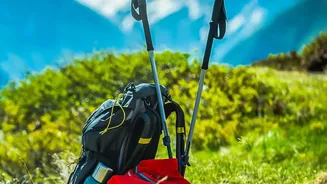
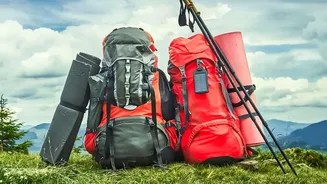
Even water-resistant backpacks will not withstand hours of Indian monsoon rain; water seeps through zippers and seams. The solution is a two-layer system. First, use an external rain cover that fits your pack snugly. Second, and more importantly, line the inside of your backpack with a large, thick plastic bag or a dedicated pack liner. Then, compartmentalise your gear—electronics, clothes, food—into smaller dry bags or zip-lock pouches before placing them inside the main pack. This internal waterproofing is your ultimate guarantee that your essentials will stay dry even if your bag gets soaked.
Dealing with Leeches, Health, and Tech
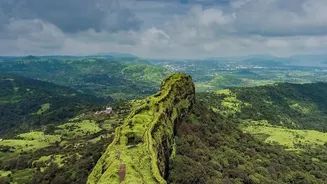
Monsoon treks in the Western Ghats often mean leeches. These are mostly harmless, but prevention is key. Wear full-length trousers and tuck them into your socks to create a barrier. Anti-leech socks are also a great investment. Carry a small bottle of salt water, hand sanitiser, or a Dettol solution to dab on a leech if it latches on; this will make it detach easily. Never pull it off, as its mouthparts can get stuck and cause infection. Your first-aid kit should include antiseptic, bandages, and blister tape. Finally, ensure your phone, power bank, and headlamp are stored in a reliable waterproof pouch.
What to Confidently Leave at Home
Packing smart is also about knowing what not to bring. Leave behind anything made of cotton, especially denim jeans, as they become incredibly heavy and cold when wet. Don't bother with bulky towels; a small, quick-dry microfiber towel is far more practical. Avoid carrying heavy books or unnecessary gadgets that aren't waterproof. The goal is to keep your pack as light as possible to navigate slippery and challenging terrain with ease. Every gram counts when your trail turns into a stream.