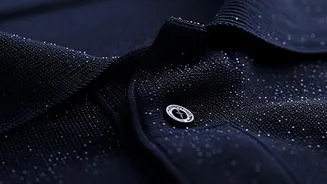








It’s a familiar laundry day frustration: you pull clothes from the dryer only to find a sock stubbornly stuck to a shirt. This phenomenon, known as static cling, isn’t magic—it’s the result of simple physics at work in your laundry basket.
The Science of the Spark
Everything is
made of atoms, which contain even smaller particles: protons (positive charge), neutrons (neutral), and electrons (negative charge). An atom is usually balanced with an equal number of protons and electrons. Static electricity is what happens when this balance is disrupted. When two different objects or materials rub against each other, electrons can jump from one surface to the other. The material that loses electrons is left with a positive charge, while the one that gains electrons now has a negative charge. Just like tiny magnets, these opposite charges attract each other, causing the materials to stick together.
The Friction in Your Dryer
Your clothes dryer is the perfect environment for creating static electricity. As clothes tumble, different fabrics constantly rub against one another. This friction provides the energy needed for electrons to transfer between items. This process is known as the triboelectric effect, which literally means 'electricity from rubbing'. When you mix different types of fabrics in one load, like a cotton t-shirt and a polyester tracksuit, they are more likely to trade electrons, creating those positive and negative charges that lead to cling.
Why Synthetics Are the Main Culprits
You've probably noticed that some fabrics are much clingier than others. Synthetic materials like polyester, nylon, and acrylic are especially prone to static buildup. This is because these materials are essentially plastics and are poor electrical conductors, meaning they hold onto electrical charges instead of letting them dissipate. Natural fibres like cotton and wool, on the other hand, absorb a small amount of moisture from the air. This moisture makes their surfaces slightly conductive, allowing electrical charges to leak away before they can build up and cause significant clinging. Polyester's low moisture absorption is great for quick-drying sportswear, but it's also why it's a champion of static cling.
The Critical Role of Dry Air
Static cling is almost always worse during the winter, and there's a good reason for that. Cold air holds less moisture than warm air. When you run your central heating, the indoor air becomes even drier. Because water is a natural conductor, moisture in the air helps to carry away static charges from your clothes. In very dry conditions (below 40% relative humidity), there isn't enough moisture in the air or on the fabric surface to dissipate the charge, so it accumulates, leading to more dramatic clinging and even those tiny, surprising sparks. A hot dryer creates an extremely dry environment, which is why static is so common in freshly dried laundry.
How to Banish Static for Good
While static is a natural phenomenon, it doesn't have to be a permanent laundry problem. The key is to either reduce friction or increase moisture. One of the most effective methods is to avoid over-drying your clothes; remove them from the dryer while they are still slightly damp. Separating synthetic fabrics from natural ones before drying can also dramatically reduce static generation. Using wool dryer balls can help by separating clothes to reduce friction and absorbing some moisture, which they then release to create a more humid environment in the drum. For a quick fix on a garment you're already wearing, running a metal hanger over the surface can discharge the electricity. You can also lightly mist the clothing with water or apply lotion to your skin to stop fabric from clinging to you.