


Why the Sudden Monsoon Rush?
For years, monsoon was considered the off-season in Rajasthan, a quiet period for budget travellers. Now, it's becoming a peak season of its own. A major travel trend shows people are planning trips specifically to see the state's monsoon transformation.
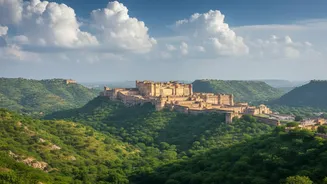
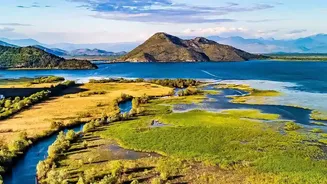
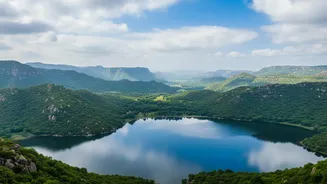
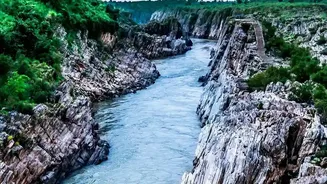
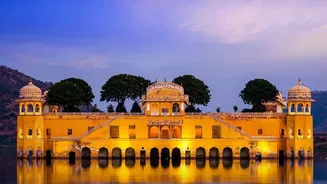
The appeal is clear: the Aravalli hills turn a vibrant emerald, lakes like Pichola and Fateh Sagar in Udaipur fill to the brim, and the scorching heat of summer gives way to cooler, more pleasant temperatures. This shift is also fuelled by travellers seeking less crowded and more immersive experiences. The bonus of lower hotel rates, often 30-50% less than in winter, makes it an even more attractive proposition. Improved road and air connectivity has also made spontaneous monsoon getaways easier than ever.
The Best Monsoon Destinations
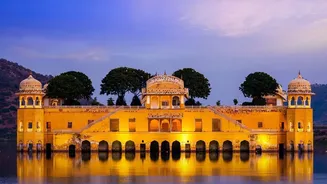
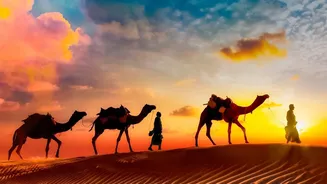
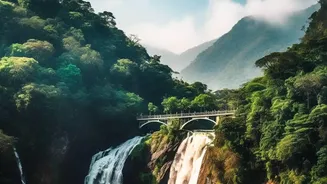
The magic of monsoon isn't uniform across the state. The most dramatic transformations happen in the southern and eastern regions. Udaipur, the 'City of Lakes', is arguably the epicentre of this trend, with its overflowing lakes and palaces shrouded in mist. Mount Abu, Rajasthan's only hill station, becomes a lush, cool retreat with waterfalls and foggy mornings. Other hotspots include Kumbhalgarh, with its massive fort walls surrounded by green valleys, and the lesser-known town of Bundi, famous for its numerous stepwells that come alive with rainwater. Even wildlife destinations like Ranthambore and Sariska offer a different kind of charm, with lush forests, though some core safari zones may be closed. Western areas like Jaisalmer and Bikaner receive much less rain but still benefit from cooler weather and fewer tourists.
How the Surge Affects Your Plans
The growing popularity of monsoon travel means you can no longer assume it will be a quiet, budget-friendly trip. While prices are still generally lower than the peak winter season, the demand is pushing them up, especially for popular hotels in places like Udaipur and Mount Abu. Booking accommodation and even transport well in advance is now crucial, particularly for weekend trips or long holidays. Famous viewpoints and lakeside restaurants can get crowded, so planning your sightseeing for early mornings or weekdays can help you avoid the rush. The upside is that more businesses and tour operators are now catering to monsoon travellers, offering tailored packages and experiences.
Essential Monsoon Planning Tips
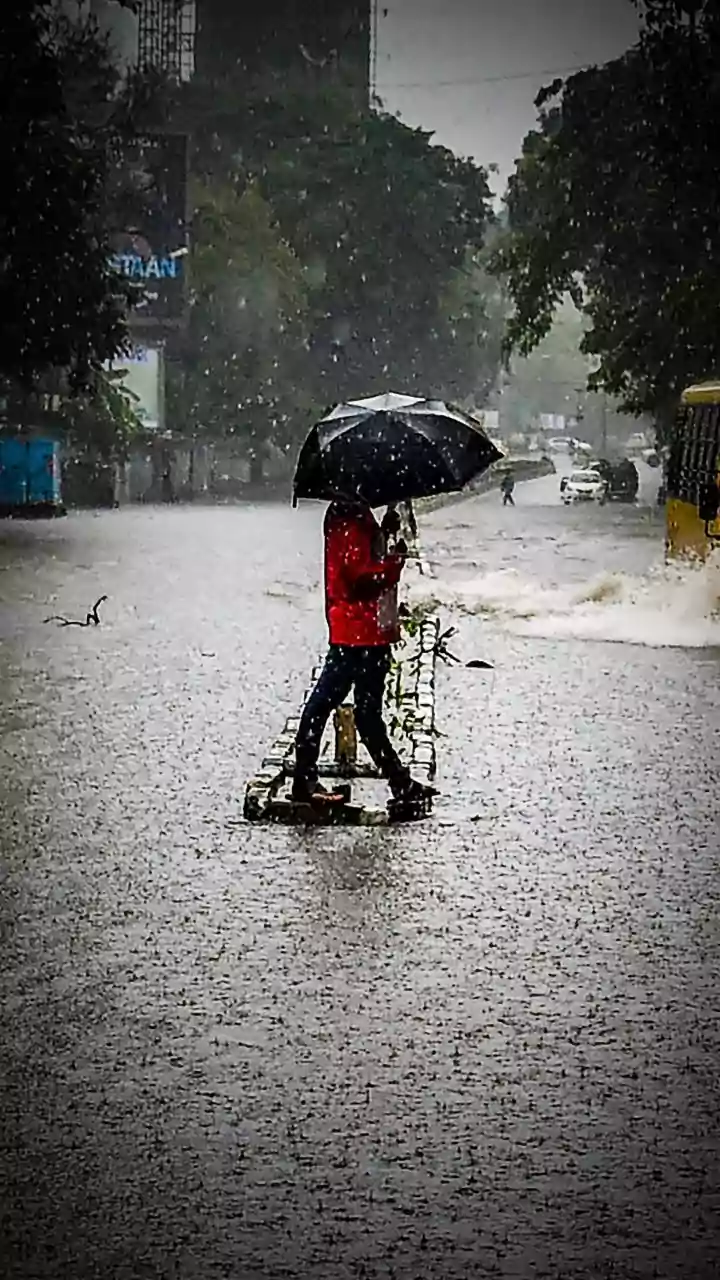
A successful monsoon trip to Rajasthan is all about smart preparation. First, pack accordingly. A lightweight raincoat, an umbrella, and waterproof footwear with good grip are non-negotiable, as palace courtyards and old city streets can become slippery. Mosquito repellent is also a must, as the insects are more active after rains. While major highways are generally safe, be prepared for flexibility in your itinerary. Heavy showers can cause temporary delays or make rural roads inaccessible. Always check local weather and road conditions before heading to remote areas. Finally, embrace the pace of the season. Monsoon travel is best enjoyed slowly, with time built in for spontaneous chai breaks while you wait for a shower to pass.
Safety and Health Considerations
Overall, travelling in Rajasthan during the monsoon is considered safe. The state receives less intense rainfall than many other parts of India, so major flooding is rare in tourist centres. However, it's wise to avoid driving through flooded roads and to be cautious when hiking during storms. Health-wise, it's advisable to drink bottled water and be mindful of street food to avoid stomach issues. Because of increased humidity, staying hydrated is important. While malaria risk is low, using mosquito nets and repellent is a sensible precaution.