



A Feast for the Eyes First
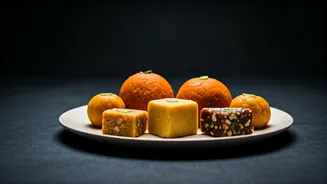
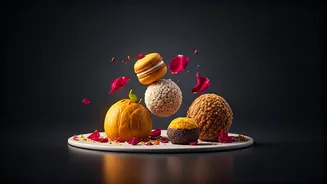
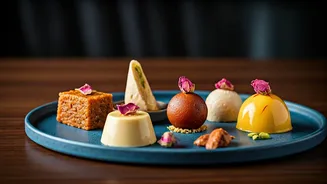
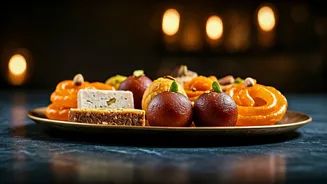
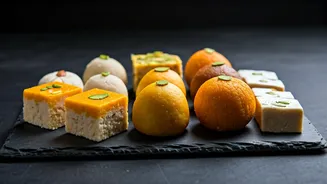
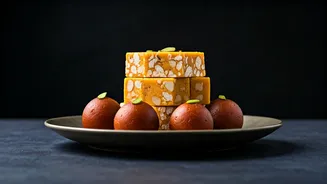
The first rule of Instagram-friendly mithai is that it must be as beautiful as it is delicious. Gone are the days of sweets simply piled on trays; today, each piece is meticulously crafted to be a miniature work of art. [2] New-age brands are focusing
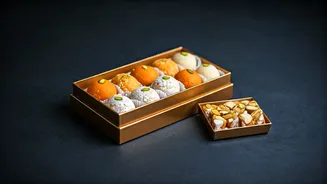
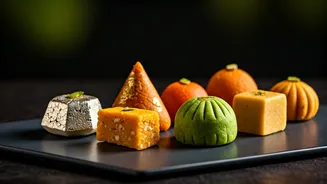
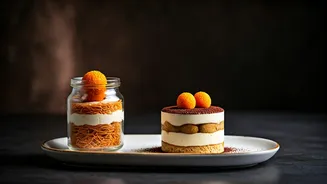
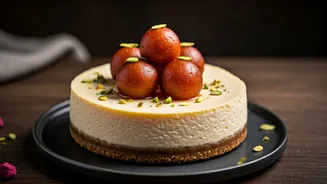
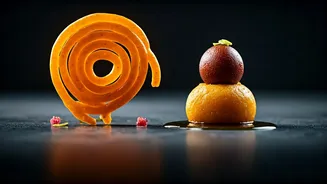
on presentation, drawing inspiration from French patisseries and fine chocolates. [2, 8] Think barfis infused with berries, laddoos dusted with gold, and sweets with intricate designs and vibrant, natural colours. [2, 4] Brands like Bombay Sweet Shop and others are creating gift boxes that look luxurious and modern, turning a box of mithai into a chic, desirable object perfect for gifting and, of course, for that perfect social media shot. [10, 13] This visual overhaul is a key part of making traditional sweets feel relevant and exciting to a younger, aesthetically-driven audience. [14]
Global Flavours, Indian Soul
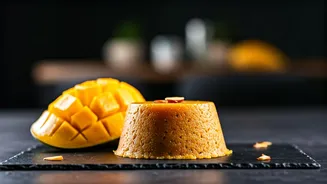
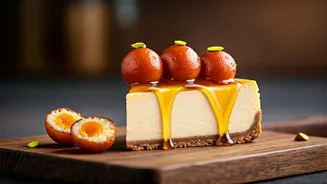
While presentation is key, the real innovation lies in the flavour combinations. This new generation of mithai makers is playfully experimenting, blending classic Indian profiles with global ingredients. [2] Imagine gulab jamun churros, coffee-flavoured rasgulla tiramisu, or a Mysore pak cheesecake. [6, 9] These fusion creations might sound radical, but the goal isn't to erase tradition. Instead, chefs are using familiar bases like khoya and ghee and enhancing them with new tastes like salted caramel, matcha, biscoff, and artisanal chocolate. [2, 9] This experimentation speaks to a more global Indian palate, one that appreciates both its roots and international culinary trends. [5] The result is a sweet that feels both nostalgic and surprisingly new. [3]
The Health-Conscious Sweet Tooth
Another major driver of this mithai renaissance is a growing demand for healthier options. Traditional Indian sweets are often criticised for being laden with sugar and ghee. In response, many new brands are creating 'guilt-free' versions that cater to modern wellness sensibilities. [2] This includes using natural sweeteners like jaggery, dates, or stevia instead of refined sugar. [2, 3] You can now find laddoos made with dates and nuts, or kheer made with protein-rich quinoa instead of rice. [3] Some brands, like Gur Chini, specialize in using natural sweeteners, while others offer vegan, gluten-free, or low-sugar options. [2] This allows a new generation of health-conscious consumers to indulge without compromising their lifestyle choices, striking a perfect balance between enjoyment and well-being. [2]
More Than a Trend: A Cultural Conversation
This movement is more than just a business opportunity; it's a cultural statement. Entrepreneurs and chefs behind brands like Khoya, Arq, and Bombay Sweet Shop are on a mission to restore the 'lost respect' of Indian sweets. [8, 13] Many spent years researching old techniques and training with traditional halwais before adding their modern spin. [8] They insist they are not creating fusion for fusion's sake, but are thoughtfully integrating modern ideas to celebrate the soul of these cherished delicacies. [6] The aim is to make mithai an everyday indulgence rather than just a festive treat, competing with cupcakes and brownies for the affection of millennials. [8, 9] By doing so, they are ensuring that the rich heritage of Indian sweet-making isn't just preserved but is actively evolving.