






More Than Just Second-Hand
Thrifting in India has undergone a major rebranding. What was once associated with hand-me-downs or budget constraints is now a conscious style choice. This new wave, often called circular fashion, is about extending the life of clothing through reselling,
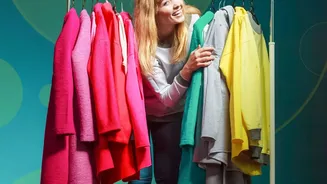
swapping, and upcycling. For Gen Z and millennial shoppers, it's a direct response to the fast-fashion model of 'take, make, and dispose'. The stigma around wearing pre-owned clothes is fading fast, replaced by a sense of pride in smart, sustainable shopping. Instead of being seen as a compromise, thrifting is now viewed as a creative way to build a personal wardrobe that tells a story.
A Quest for Individuality
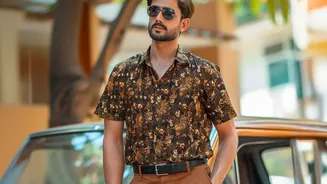
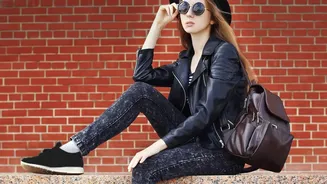
One of the biggest drivers of this trend is the desire for a unique personal style. In a world saturated with mass-produced items from global retail chains, many young people feel a sense of aesthetic fatigue. Thrifting offers an antidote: the chance to find rare denim, retro graphic tees, or vintage pieces that ensure they won't show up to an event wearing the same outfit as someone else. This search for individuality is about more than just clothes; it's an extension of identity. The 'treasure hunt' feeling of discovering a one-of-a-kind jacket or a vintage accessory for a fraction of its original price is a powerful draw for students and young professionals alike.
The Instagram-Powered Marketplace
Social media, particularly Instagram, has become the main engine of India's thrift boom. A vibrant ecosystem of online stores, run by young entrepreneurs, has emerged. These digital curators source, style, and sell pre-loved clothing through photo posts, Reels, and timed 'drops' that create a sense of urgency and excitement. Influencers and fashion creators proudly sharing their 'thrift hauls' have further normalized and glamorized second-hand shopping. This digital marketplace has made thrifting accessible not just in major metros like Delhi and Mumbai but across the country, with some popular stores even operating from smaller towns like Manipur.
Sustainability as a Driving Force
Beyond style and affordability, the thrift movement is deeply rooted in a growing consciousness about sustainability. The environmental impact of the fast-fashion industry, a major contributor to global carbon emissions and water pollution, is a significant concern for young consumers. Many shoppers feel uncomfortable with the idea of a disposable clothing culture and see thrifting as a responsible alternative. By choosing to buy second-hand, they actively participate in a circular economy, extending the life of garments and reducing the demand for new production. While some sellers admit that style often trumps sustainability for buyers, the eco-friendly aspect remains a core part of the movement's appeal and identity.
A Lasting Shift in Consumer Culture
What started as a niche subculture is showing signs of becoming a lasting shift in Indian consumer behaviour. The trend is driven by a powerful combination of economic pragmatism, a desire for self-expression, and ethical considerations. It reflects a generation that values quality over quantity and authenticity over branding. While the fast fashion market continues to grow, the rise of thrifting signifies a growing segment of the population that is thinking more critically about their consumption habits. This isn't just about finding affordable clothes; it's about redefining what it means to be a stylish and conscious consumer in modern India.