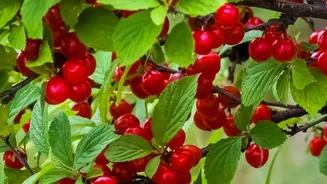







Jamun (Java Plum): The Monsoon Gem
This deep purple fruit is a quintessential monsoon delight. Jamun is celebrated in Ayurveda for its numerous health benefits, which are particularly useful during this season. It's packed with iron, vitamin C, and antioxidants that help boost immunity
and improve haemoglobin levels. For those observing Shravan fasts, fruits are a primary source of energy, and Jamun's low-calorie, high-nutrient profile makes it an excellent choice. Its astringent properties also aid in keeping skin healthy and clear, a common concern during the humid monsoon months.
Pears (Nashpati): For Digestive Wellness
Crisp and juicy, the Indian pear, or Nashpati, is another seasonal star. Available in abundance during the monsoons, pears are a fantastic source of dietary fibre. During Shravan, when many people adopt a 'phalahar' (fruit-based) diet or consume lighter meals, maintaining good digestion is key. The fibre in pears helps prevent constipation and promotes a healthy gut. They are also rich in vitamins C and K, and antioxidants, contributing to overall health and helping the body combat seasonal infections.
Bottle Gourd (Lauki): The Sattvic Staple
Bottle gourd is a vegetable deeply rooted in the Sattvic food philosophy followed during Shravan. It is incredibly light on the stomach and easy to digest, which is crucial as Ayurveda suggests the digestive fire (agni) is weaker during the rainy season. Composed of over 90% water, Lauki helps keep the body hydrated. It's a versatile vegetable that can be made into simple curries (using rock salt or sendha namak instead of regular salt), soups, or even juices, making it a perfect food for those fasting or eating light.
Pointed Gourd (Parwal): The Immunity Booster
Pointed gourd, or parwal, is a humble vegetable that shines during the monsoon. It is valued for its ability to help regulate cough, cold, and fever, common ailments during this season. Rich in vitamins A and C, it plays a role in strengthening the immune system. According to Ayurvedic traditions, it also helps in purifying the blood and keeping the digestive system in check. As a light and easily digestible vegetable, it fits perfectly within the dietary guidelines of Shravan.
Sweet Potato (Shakarkandi): The Energy Provider
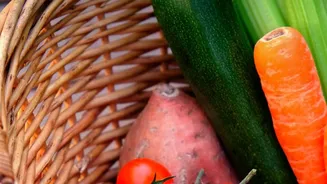
For those observing fasts that can last the entire day, energy levels can dip. Sweet potatoes are a fantastic source of complex carbohydrates, providing sustained energy. Unlike regular potatoes, they are higher in fibre and have a lower glycemic index. Roasted or boiled shakarkandi is a popular and permitted food during Shravan fasts. It's a filling, nutritious option that keeps you feeling energetic without being heavy on the digestive system.
Pomegranate (Anar): The Antioxidant Powerhouse
With their jewel-like seeds, pomegranates are another excellent fruit for the Shravan season. They are loaded with antioxidants and vitamin C, which are vital for fighting off infections that are common during the monsoons. The fruit is also known to be good for heart health and can help maintain healthy blood pressure levels. For those on a fruit-based fast, pomegranates provide hydration and essential nutrients to stay fresh and energetic.
Cucumber (Kheera): The Ultimate Hydrator
Cucumber is one of the best vegetables for staying hydrated, a simple but crucial aspect of health during any fast. Its high water content helps flush out toxins from the body, aligning with the detoxifying nature of Shravan fasting. It's light, cooling, and can be eaten raw as part of a fruit platter or in a simple salad with rock salt. It provides essential nutrients without taxing the digestive system, making it an ideal choice for the season.