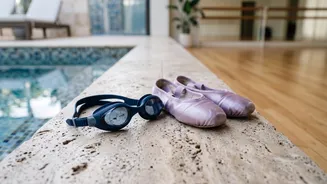





Choosing between a refreshing swim and a high-energy dance session can be tough. Both are fantastic ways to stay active, but they offer very different experiences. Let’s break down the unique benefits of each to help you decide which is best for you.
The Case for Swimming: A Low-Impact Powerhouse
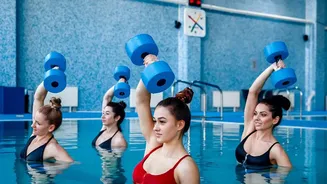
Swimming is often called the perfect exercise for good reason. The moment you get in the water, your body is supported, which takes the pressure off your joints, bones, and spine. This makes it an ideal workout for people with arthritis, injuries, or anyone looking for a low-impact routine. But low-impact doesn't mean low-intensity. Water is about 800 times denser than air, creating constant resistance from every angle. This means every single stroke—whether it’s a freestyle, breaststroke, or backstroke—works to strengthen and tone nearly every major muscle group in your body, including your arms, legs, back, and core. It’s a full-body workout that builds lean muscle and boosts endurance simultaneously.
The Case for Dancing: Joyful, Rhythmic Cardio
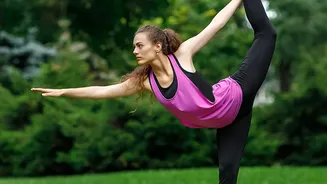
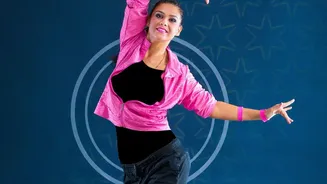
Dancing is exercise in disguise. Powered by music, it can feel more like a party than a workout, which is a huge part of its appeal. From hip-hop and salsa to ballroom and ballet, dance is a high-energy cardiovascular activity that gets your heart pumping and improves circulation. The constant movement strengthens your heart, can help lower blood pressure, and builds stamina. Unlike the controlled environment of a pool, dancing involves moving in all directions, which is fantastic for improving balance, coordination, and agility. Furthermore, as a weight-bearing activity, dancing helps strengthen bones, which is vital for preventing osteoporosis. The sheer variety means you can always find a style that suits your personality and fitness level.
Calorie Burn and Strength Building
When it comes to burning calories, the winner isn't clear-cut and depends heavily on intensity. Vigorous lap swimming can burn a significant number of calories, sometimes comparable to running. An hour of moderate swimming can burn anywhere from 400 to 500 calories, while more intense strokes like the butterfly can burn far more. High-intensity dance styles like salsa or street dance can also be major calorie burners, with some studies suggesting they can burn more calories than swimming or running in the same amount of time. For strength, swimming provides consistent, full-body resistance that builds long, toned muscles. Dancing tends to build strength in a different way, often targeting the legs and core while improving balance and stability.
Mind, Mood, and Accessibility
Both activities offer incredible mental health benefits. The rhythmic, repetitive nature of swimming, combined with the sensation of being in water, is often described as meditative and is proven to reduce stress and anxiety. Many swimmers find it helps clear their mind and provides a sense of calm. Dancing, on the other hand, is a powerful mood booster, thanks to the combination of music, self-expression, and the release of endorphins. It’s often a social activity, which can combat feelings of loneliness. In terms of accessibility, dancing has a slight edge. You can do it almost anywhere with just a bit of space and some music. Swimming requires access to a pool, which can be a barrier for some. However, many community centers offer affordable access.